Alcohol Addiction Rehab Centers
Alcohol addiction treatment combines medically supervised detoxification with evidence-based therapies to address both physical dependency and underlying psychological factors. Treatment programs typically include individual counseling, group therapy, family support, and aftercare planning for sustained recovery.
Found 172 rehab centers specializing in alcohol addiction across the United States.
Need Help Finding the Right Treatment?
Browse our directory or call to discuss treatment options.
Showing 20 of 172 alcohol addiction rehab centers
Alcohol Services of Kentucky
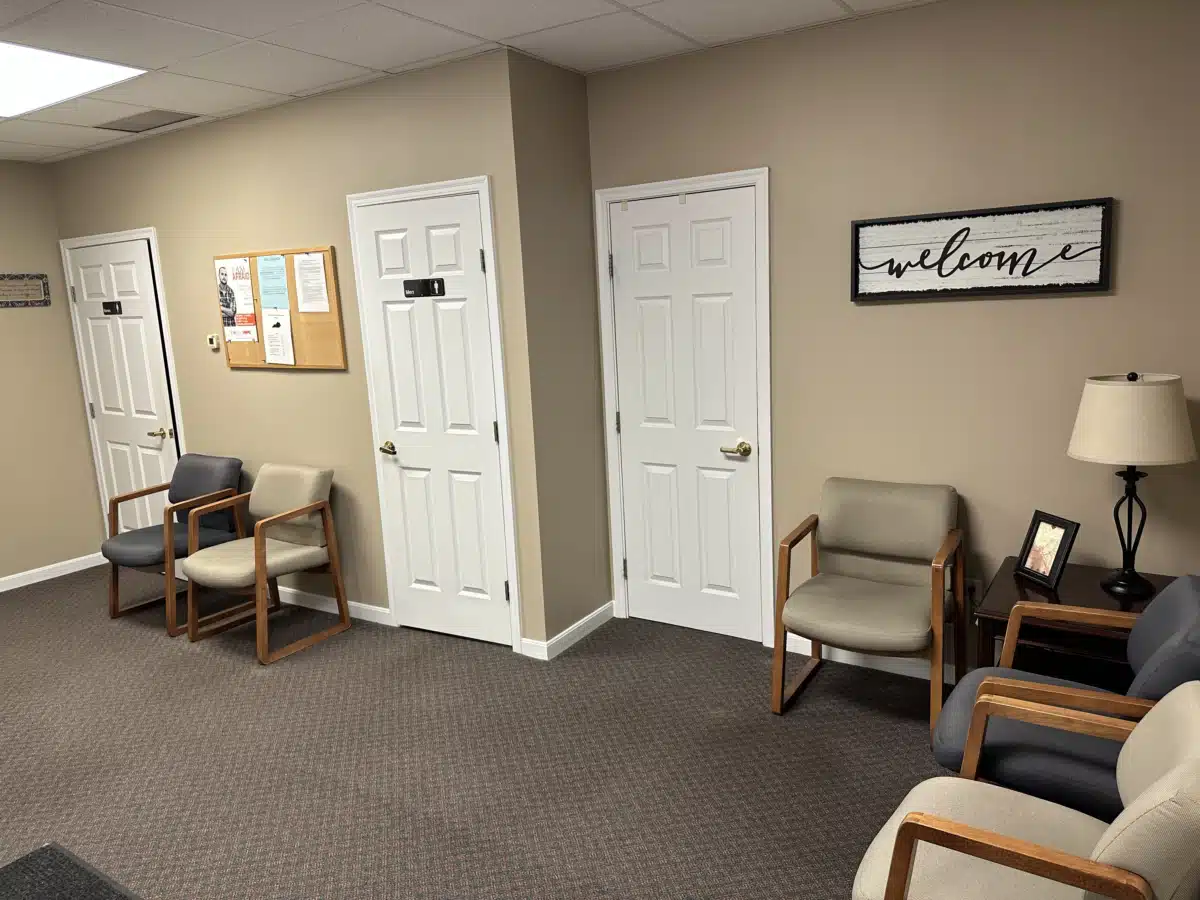
Located in Florence, KY, Alcohol Services of Kentucky provides outpatient treatment for both adults and young adults struggling with substance use. This facility employs a variety of techniques, including brief intervention, cognitive behavioral therapy, and motivational interviewing, to deliver care that is customized to meet the unique needs of each client. By focusing on personalized support, the center ensures that both male and female clients receive the specialized attention they require. Their commitment to high-quality care fosters a welcoming environment for individuals seeking help with addiction. If you’re in search of thorough treatment from skilled professionals in a friendly atmosphere, Alcohol Services of Kentucky is worth considering.
Alcohol and Drug Abuse Council of
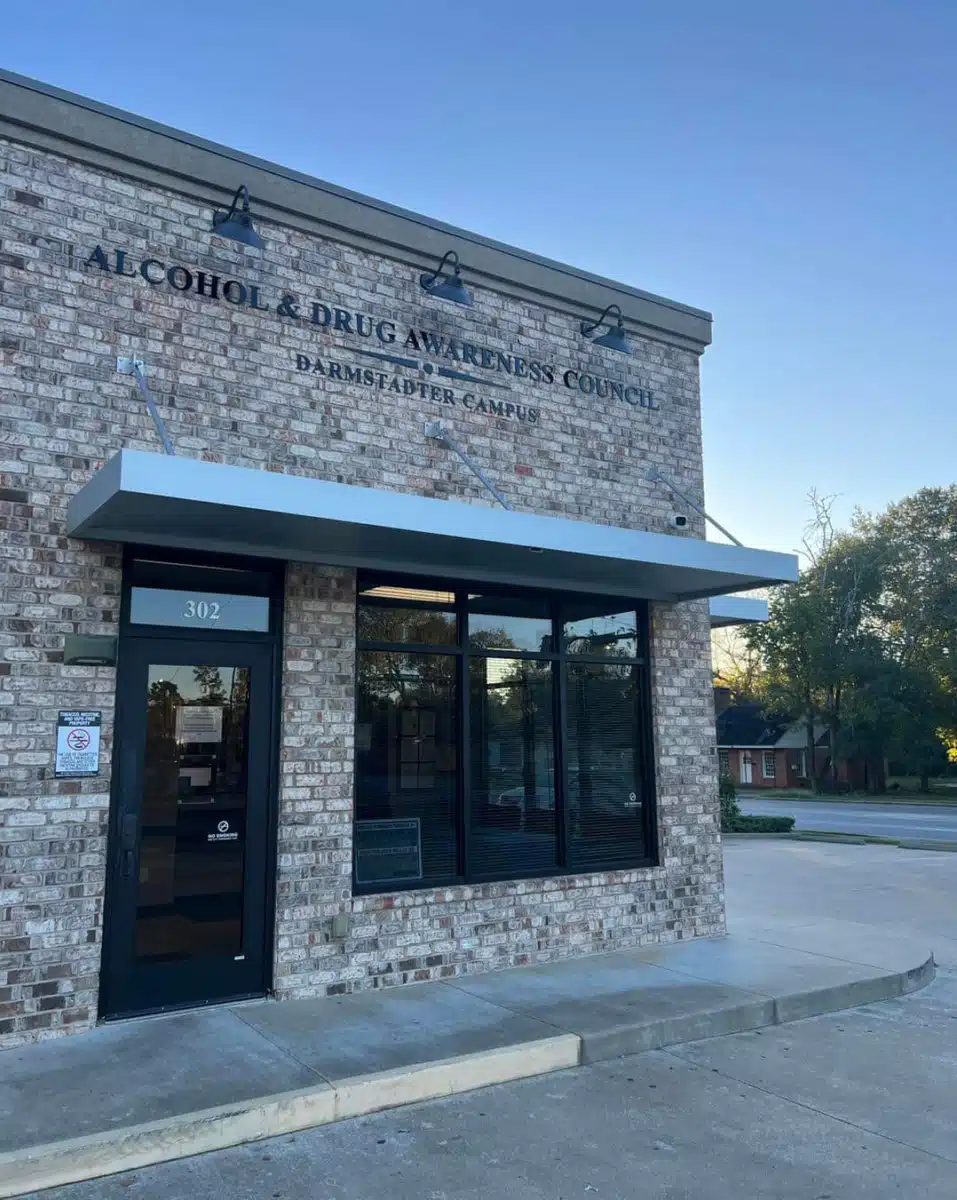
Situated in Lufkin, TX, the Alcohol and Drug Abuse Council provides outpatient treatment options for substance use issues tailored to both adults and adolescents. The facility employs various methods, including brief intervention, the Matrix Model, and motivational interviewing, to deliver specialized programs for adult men, adult women, and young people. By accommodating individuals of all genders, this center commits to offering effective care for those seeking to overcome alcohol and drug addiction. With an emphasis on creating personalized treatment plans, the center is dedicated to supporting each client on their path to sobriety. If you or someone you care about is in need of professional addiction treatment services, be sure to explore the comprehensive programs available at this facility.
Alcohol and Drug Abuse Council of
Situated in Jasper, TX, the Alcohol and Drug Abuse Council provides outpatient treatment for substance use, catering to both adults and adolescents. The facility employs a range of effective methods, including Brief Intervention, the Matrix Model, and Motivational Interviewing. They offer tailored programs specifically designed for adult men, adult women, and individuals involved in the criminal justice system. With a strong emphasis on personalized care, this center is dedicated to supporting male and female clients alike as they work towards recovery. Their unwavering commitment to delivering high-quality treatment positions the center as an essential resource for anyone aiming to overcome addiction and reclaim their life.

7th Fire Alcohol and Drug Counseling
Situated in Ottawa, IL, 7th Fire Alcohol and Drug Counseling offers outpatient treatment for both adults and seniors dealing with substance use issues. The facility features a range of programs, including 12-step facilitation, anger management, and brief intervention strategies, all customized to meet the unique needs of each individual. With a strong emphasis on personalized care, the center is open to clients of all genders. Dedicated to providing high-quality services, 7th Fire Alcohol and Drug Counseling excels in using a variety of evidence-based approaches to tackle addiction challenges. If you or someone close to you is in search of tailored and effective treatment for substance use, this facility may be an excellent choice for your recovery journey.
Alcohol and Drug Abuse Council of
Situated in Nacogdoches, TX, the Alcohol and Drug Abuse Council offers specialized outpatient services for individuals struggling with substance use disorders. This facility utilizes evidence-based techniques, including brief intervention, the Matrix Model, and motivational interviewing, to provide effective regular outpatient care. With a commitment to personalized treatment, the center supports adolescents, adult men, and adult women, accommodating both female and male clients. Their programs are designed for both adults and children/adolescents, ensuring that individuals of all ages and genders receive the comprehensive support they need on their path to recovery from addiction. Discover exceptional care and customized treatment at this esteemed rehabilitation center.

Alcohol Information and Counseling Ctr
Situated in Lapeer, MI, the Alcohol Information and Counseling Center provides extensive substance use treatment for both adults and adolescents. This facility offers a range of programs including intensive outpatient, outpatient, and regular outpatient treatment. By employing methods like anger management, brief intervention, and cognitive behavioral therapy, the center serves clients of all genders. There are also specialized programs tailored for adult men, adult women, and adolescents. With an emphasis on high-quality care and personalized treatment plans, this center stands as a vital resource for individuals in the Lapeer community who are seeking effective addiction rehabilitation services.

Alcohol Recovery Solutions
Situated in Phoenix, AZ, Alcohol Recovery Solutions specializes in outpatient treatment for adults and young adults facing challenges related to substance use, particularly those with co-occurring mental health conditions. The center offers a variety of services, including cognitive behavioral therapy, relapse prevention strategies, and motivational incentives through contingency management. Emphasizing personalized care, Alcohol Recovery Solutions customizes its programs to address the distinct needs of each individual. Both men and women benefit from specialized treatment in a nurturing atmosphere. The facility is dedicated to providing top-notch care, supporting individuals as they navigate their recovery journey.

Alcohol and Chemical Abuse Consultants
Situated in Muskegon, MI, Alcohol and Chemical Abuse Consultants delivers focused substance use treatment for both adults and young adults. They provide outpatient services, which include methadone and buprenorphine treatments. The facility prioritizes methods such as cognitive behavioral therapy, motivational interviewing, and relapse prevention in their approach. With a commitment to individualized care, they accommodate both male and female clients. Their emphasis on quality and comprehensive treatment sets them apart as a leading option for those in need of effective addiction rehabilitation. If you’re seeking personalized outpatient care in a nurturing environment, this center is devoted to supporting individuals on their journey to lasting recovery.
Alcohol and Chemical Abuse Consultants
Situated in Muskegon, MI, Alcohol and Chemical Abuse Consultants specializes in substance use treatment for both adults and young adults. They offer a range of services, including outpatient treatment, day programs, and partial hospitalization, all aimed at providing tailored care. Their approach incorporates cognitive behavioral therapy, motivational interviewing, and relapse prevention strategies, ensuring that each program is customized to meet the specific needs of every client. The center serves both men and women, emphasizing high-quality treatment to help individuals on their path to recovery from alcohol and chemical dependence. If you're looking for comprehensive and effective rehabilitation options, you might want to reach out to the experts at Alcohol and Chemical Abuse Consultants.
Alcohol and Chemical Abuse Consultants
Located in Grand Rapids, MI, Alcohol and Chemical Abuse Consultants offers outpatient treatment for substance use issues, catering to both adults and children/adolescents. This facility excels in using cognitive behavioral therapy, motivational interviewing, and relapse prevention methods. With a commitment to personalized care, they create tailored treatment plans designed specifically for each client, whether male or female. Placing a strong emphasis on quality and evidence-based practices, the center is dedicated to guiding clients through their recovery journeys. If you or someone close to you is looking for thorough addiction treatment in a supportive atmosphere, Alcohol and Chemical Abuse Consultants is ready to help.
Alcohol and Chemical Abuse Consultants
Located in Grand Rapids, MI, Alcohol and Chemical Abuse Consultants specializes in outpatient treatment for substance use, catering to both adults and young adults. The center employs evidence-based methods such as cognitive behavioral therapy, motivational interviewing, and relapse prevention to deliver personalized care that suits each client’s unique needs. With a strong emphasis on individualized treatment, this facility serves both male and female clients. Passionate about providing quality care, Alcohol and Chemical Abuse Consultants is devoted to assisting individuals in overcoming addiction and finding lasting recovery. If you’re in search of effective treatment within a nurturing environment, this center can be an invaluable ally in your path toward sobriety.
Alcohol and Drug Abuse Council
Situated in Livingston, TX, the Alcohol and Drug Abuse Council offers outpatient treatment for substance use tailored to both adults and children/adolescents facing serious mental health challenges. The facility employs various methods, including brief intervention, the Matrix Model, and motivational interviewing to deliver consistent outpatient care. With specialized programs designed for adolescents, adult men, and adult women, the center effectively addresses a wide range of needs. Serving clients of all genders, the facility is dedicated to providing comprehensive support for those on their journey to recovery from substance abuse. What sets the Alcohol and Drug Abuse Council apart is its commitment to personalized treatment plans and high-quality care.
Alcohol and Drug Abuse Services Inc
Situated in Port Allegany, PA, Alcohol and Drug Abuse Services Inc. is committed to providing well-rounded treatment programs for adults and seniors dealing with substance use issues. The facility features a range of treatment options, including intensive outpatient, outpatient, and regular outpatient services. They employ various methods like 12-step facilitation, brief intervention, and cognitive behavioral therapy to create personalized care plans for each client. The center also specializes in helping those who have faced trauma, offering gender-specific programs designed for both men and women. With a strong emphasis on quality care and individualized treatment, Alcohol and Drug Abuse Services Inc. strives to support individuals on their journey to recovery.
Alcohol and Drug Abuse Services Inc
Alcohol and Drug Abuse Services Inc, located in Bradford, PA, provides a wide range of substance use treatment programs designed to support individuals in their recovery. The facility offers various types of treatment, including long-term residential, 24-hour residential, and short-term residential options. What sets this center apart is its expertise in 12-step facilitation, anger management, and brief intervention techniques. A distinctive aspect of their program focuses on helping clients who have experienced trauma. Catering to both adults and young adults of all genders, the center takes pride in offering personalized care and support tailored to each individual. Their unwavering commitment to high-quality treatment underscores their mission to assist people on their path to overcoming substance abuse.
Alcohol and Drug Abuse Services Inc
Located in Coudersport, PA, Alcohol and Drug Abuse Services Inc specializes in providing treatment for substance use issues. Their offerings include intensive outpatient treatment, outpatient options, and regular outpatient services. The facility emphasizes a range of therapeutic approaches, such as 12-step facilitation, anger management, and brief intervention techniques, catering to adults and seniors of all genders. One notable aspect of this center is its dedicated program for clients who have faced trauma, which ensures that individuals with complex needs receive thorough and sensitive care. With a strong commitment to delivering quality support and customized treatment plans, this center stands out as a vital resource for anyone in search of effective and compassionate addiction treatment services.
Alcohol and Drug Abuse Services Inc
Situated in Ridgway, PA, Alcohol and Drug Abuse Services Inc provides a wide array of treatment options for adults and seniors struggling with substance use issues. The center offers various programs, including intensive outpatient, outpatient, and regular outpatient treatments. It employs strategies such as 12-step facilitation, anger management, and brief intervention to meet the needs of both men and women. One of the highlights of this facility is its specialized program designed for individuals who have faced trauma. Committed to delivering high-quality care and tailored treatment plans, Alcohol and Drug Abuse Services Inc has established itself as a reliable resource for effective addiction rehabilitation services.
Alcohol and Drug Abuse Services Inc
Situated in Kane, PA, Alcohol and Drug Abuse Services Inc delivers outpatient treatment for adults and seniors struggling with substance use issues. This facility stands out by offering specialized services, including 12-step facilitation, anger management, and brief interventions, all tailored to support individuals in their recovery journey. A particular emphasis on clients who have faced trauma enhances the uniqueness of this center. With programs thoughtfully designed for both men and women, they foster an inclusive and supportive atmosphere. Anyone in search of thorough, evidence-based treatment in a friendly environment can expect to receive high-quality care and personalized programs at Alcohol and Drug Abuse Services Inc.
Alcohol Counseling and
Situated in Fort Collins, CO, Alcohol Counseling and offers exceptional substance use treatment through its outpatient services. This facility provides regular outpatient treatment and excels in methodologies like 12-step facilitation, cognitive behavioral therapy, and motivational interviewing. Their programs are customized for both adult men and women, addressing the needs of adults as well as younger individuals. With a strong emphasis on personalized care, this center is committed to delivering high-quality treatment for all genders. Whether you're looking for specialized programs or evidence-based strategies, Alcohol Counseling and is devoted to supporting individuals on their path to recovery.
Alcohol Services Center Inc
Alcohol Services Center Inc, located in Jackson, MS, provides outpatient substance use treatment that emphasizes anger management, brief intervention, and cognitive behavioral therapy. The center offers specialized programs aimed at active duty military personnel as well as adult men and women, serving both adults and young adults of all genders. Dedicated to delivering quality care, the facility prioritizes evidence-based methodologies to assist individuals on their path to recovery. Whether clients need personalized programs or general outpatient services, they can count on receiving thorough support from the experienced professionals at Alcohol Services Center Inc.
Alcohol Training and Education Inc
Situated in Oklahoma City, OK, Alcohol Training and Education Inc provides outpatient treatment for substance use, specifically designed for adults and young adults. Their customized programs incorporate cognitive behavioral therapy, contingency management with motivational incentives, as well as the Matrix Model approach. What sets this facility apart is its focus on individualized care, serving both male and female clients. With a strong dedication to delivering high-quality treatment within a nurturing atmosphere, it's an excellent option for anyone looking for effective and personalized support in their journey to recovery from addiction.
About Alcohol Addiction Treatment
At Penn Spine and Rehab, we understand that alcohol addiction affects every aspect of life—health, relationships, career, and emotional well-being. Our comprehensive directory helps you find alcohol rehab centers that provide the medical care and therapeutic support needed for lasting recovery.
Understanding Alcohol Use Disorder
Alcohol use disorder (AUD) is a medical condition characterized by an impaired ability to stop or control alcohol use despite negative consequences. According to the National Institute on Alcohol Abuse and Alcoholism, approximately 29.5 million Americans ages 12 and older had AUD in 2021.
Signs that may indicate the need for professional treatment include:
- Drinking more or longer than intended
- Unsuccessful attempts to cut down or stop
- Spending significant time obtaining, using, or recovering from alcohol
- Experiencing withdrawal symptoms when not drinking
- Continued use despite relationship or health problems
What Treatment Involves
Alcohol addiction treatment typically includes several phases:
- Medical Detoxification: Supervised withdrawal management to safely eliminate alcohol from your system. Learn more about detox programs.
- Behavioral Therapies: Cognitive Behavioral Therapy (CBT) and other evidence-based approaches help identify triggers and develop coping strategies.
- Medication-Assisted Treatment: FDA-approved medications like naltrexone, acamprosate, and disulfiram can help reduce cravings and prevent relapse.
- Support Groups: 12-step programs like Alcoholics Anonymous provide ongoing peer support.
Choosing the Right Program
The best alcohol rehab program depends on the severity of addiction, any co-occurring conditions, personal preferences, and practical considerations like location and insurance coverage. Many individuals benefit from starting with residential treatment before transitioning to intensive outpatient care.
Recovery from alcohol addiction is possible with the right support. Use our directory to find accredited treatment centers near you that specialize in alcohol use disorder treatment.
Causes & Risk Factors for Alcohol Addiction
Alcohol Addiction develops through a combination of genetic, environmental, and psychological factors. Understanding these risk factors can help identify who may be vulnerable and support early intervention.
- •Genetic predisposition — family history of alcoholism increases risk by 40-60%
- •Early onset of drinking — starting before age 15 significantly increases lifetime risk
- •Mental health conditions — depression, anxiety, PTSD, and bipolar disorder
- •Trauma and adverse childhood experiences (ACEs)
- •Social and environmental factors — peer pressure, high-stress jobs, cultural norms
- •Chronic stress without healthy coping mechanisms
- •Gradual tolerance development leading to increased consumption
Alcohol Addiction Statistics
Americans ages 12+ had alcohol use disorder in 2021
Source: NIAAA
Annual deaths from excessive alcohol use in the US
Source: CDC
Alcohol-attributable deaths per year (directly)
Source: NIAAA
Annual economic cost of excessive drinking in the US
Source: CDC
Only about 10% of people with AUD receive any treatment
Source: SAMHSA
Of people treated have no further symptoms after one year
Source: NIAAA
Co-Occurring Conditions
Alcohol Addiction frequently occurs alongside other mental health and substance use conditions. Integrated dual diagnosis treatment addresses all conditions simultaneously for better outcomes.
Depression
Nearly one-third of people with major depression also have an alcohol problem
Anxiety Disorders
About 20% of people with an anxiety disorder also have AUD
PTSD
Up to 75% of people who survive traumatic experiences report problematic alcohol use
Bipolar Disorder
People with bipolar disorder are 5x more likely to develop AUD
Dual Diagnosis
Integrated treatment for co-occurring addiction and mental health conditions
What to Expect in Alcohol Addiction Treatment
Assessment & Intake (Day 1)
Comprehensive evaluation of physical health, mental health, substance use history, and personal needs to create your individualized treatment plan.
Medical Detoxification (Days 1-7)
Medically supervised withdrawal management with medication to reduce symptoms like tremors, anxiety, nausea, and seizure risk. 24/7 medical monitoring ensures safety.
Stabilization & Early Treatment (Weeks 2-4)
Begin individual and group therapy sessions. Introduce evidence-based approaches like CBT. Start medication management if appropriate (naltrexone, acamprosate).
Intensive Treatment (Weeks 4-12)
Deep therapeutic work addressing root causes, trauma processing, family therapy, skill-building for relapse prevention, and building a sober support network.
Transition & Aftercare Planning (Final weeks)
Step-down to less intensive care, finalize aftercare plan, connect with community support groups (AA, SMART Recovery), and establish ongoing outpatient services.
Frequently Asked Questions About Alcohol Addiction Treatment
Resources & Sources
The information on this page is based on peer-reviewed research and authoritative health organizations. Always consult a healthcare professional for medical advice.
Medical Disclaimer: This content is for informational purposes only and does not constitute medical advice. Always seek the guidance of a qualified healthcare provider for diagnosis and treatment. If you or someone you know is in crisis, call 911 or the SAMHSA National Helpline at 1-800-662-4357 (free, confidential, 24/7).