Residential Treatment Treatment Centers
Residential treatment programs offer intensive, full-time care in a safe, structured environment where clients live at the facility for 30-90 days. These programs combine individual therapy, group counseling, educational sessions, and holistic activities while removing individuals from triggers and negative influences.
Found 417 residential treatment treatment centers across the United States.
Need Help Finding the Right Treatment?
Browse our directory or call to discuss treatment options.
Showing 20 of 417 residential treatment treatment centers
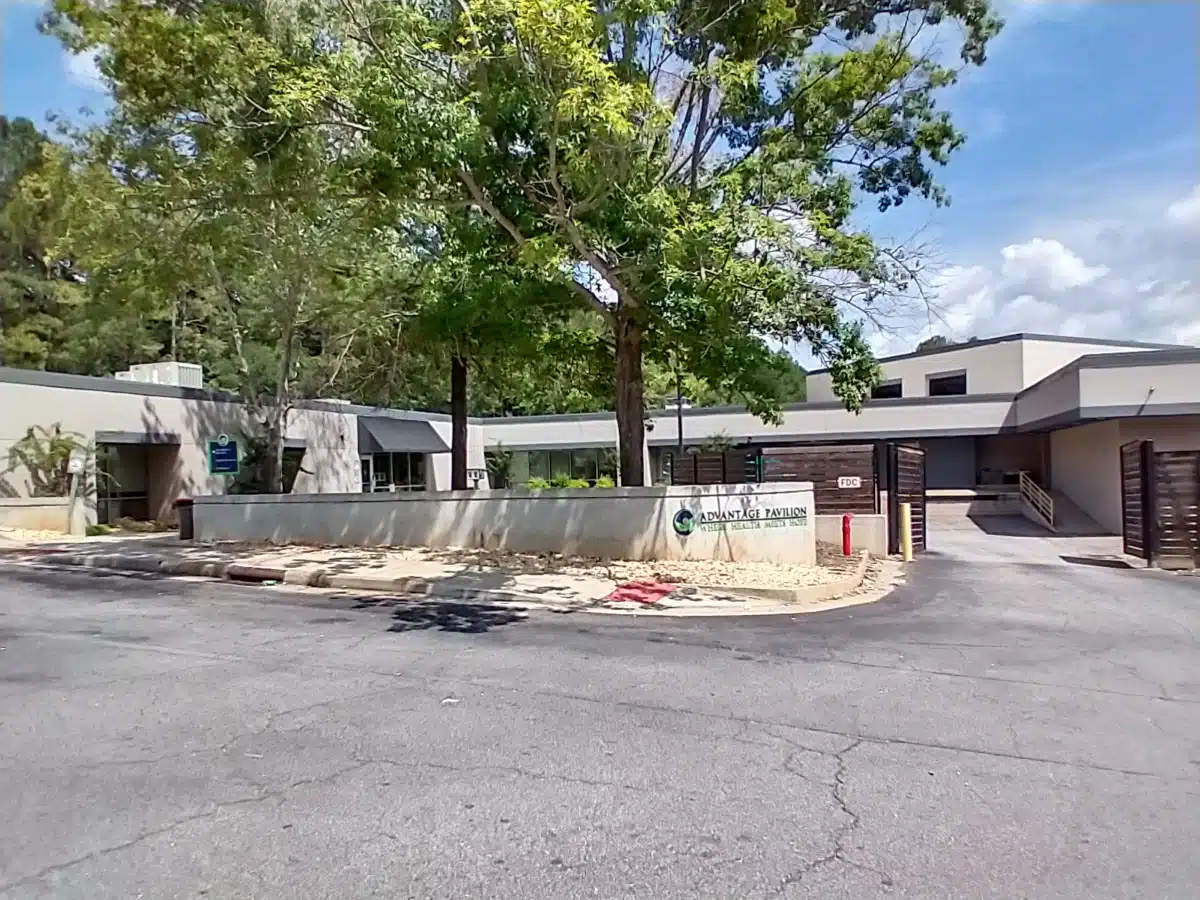
Advantage Behavioral Health Systems
Advantage Behavioral Health Systems, located in Athens, GA, provides specialized rehabilitation programs designed to meet various needs. They offer both long-term and short-term residential treatment for adults and children dealing with substance use issues and co-occurring mental health disorders. Their treatment methods encompass 12-step facilitation, anger management techniques, and brief interventions. This facility serves adult men and women, along with individuals who have faced intimate partner or domestic violence. By offering customized programs for both adults and young adults of all genders, the center prioritizes comprehensive and personalized care. They emphasize quality treatment and ongoing support to guide each client through their recovery journey effectively.
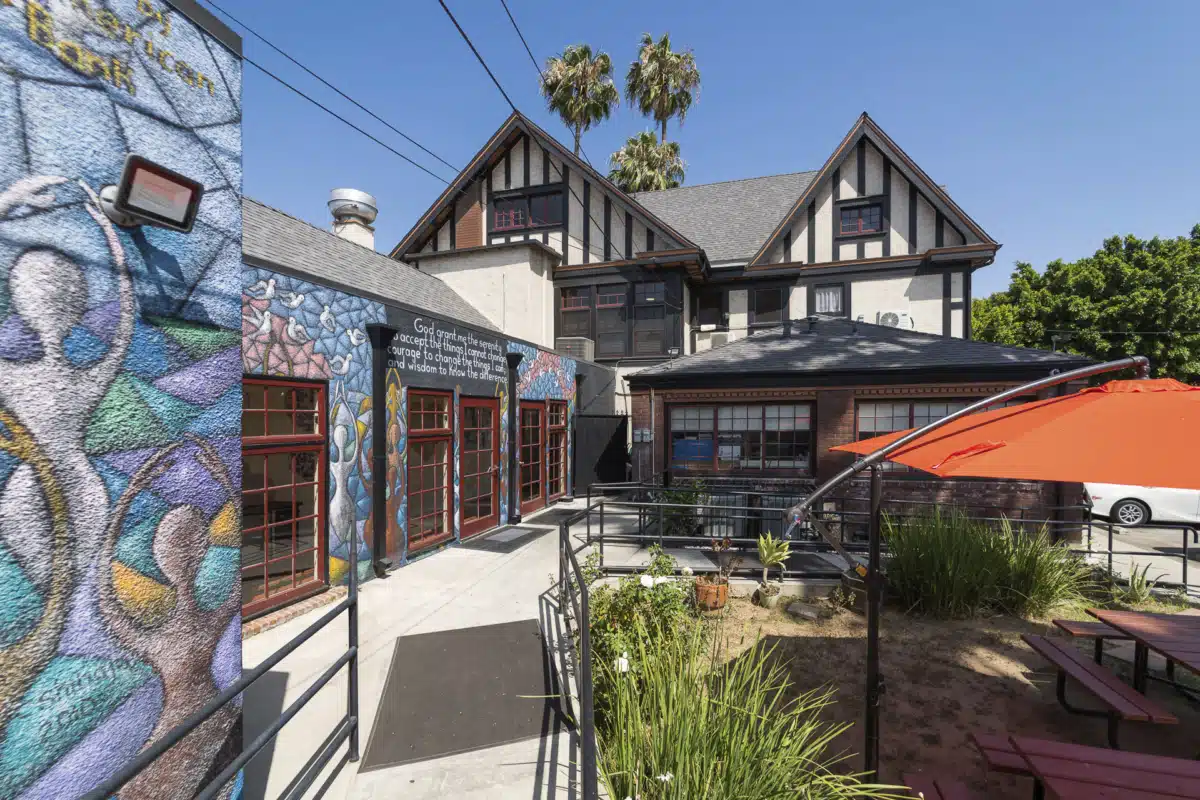
Alcoholism Center for Women
Located in Los Angeles, CA, the Alcoholism Center for Women offers dedicated substance use treatment for adult women who are navigating significant mental health challenges alongside their recovery. The facility presents a range of residential treatment options, including long-term, 24-hour care, and shorter-term programs to meet diverse needs. With an emphasis on 12-step facilitation, anger management, and brief intervention strategies, this center is particularly attentive to clients who have faced intimate partner violence, domestic violence, and sexual abuse. Catering to women of all ages—adults, seniors, and young adults—this center provides a safe and encouraging space tailored specifically for female clients, ensuring that they receive quality care and personalized programs designed to foster healing and recovery.

Alpine Springs
Located in Jamestown, PA, Alpine Springs specializes in rehabilitation services tailored for adults and young adults facing substance use disorders. This facility provides a thorough long-term residential treatment program, which includes residential detoxification and round-the-clock care. Emphasizing a variety of approaches such as 12-step facilitation, anger management, and brief interventions, Alpine Springs serves both men and women, including those who have experienced intimate partner violence or domestic violence. The center's gender-specific programs prioritize individualized care, creating a nurturing environment for recovery. Committed to offering high-quality, personalized treatment, Alpine Springs aims to empower clients on their journey to lasting sobriety and overall wellness.

Amity Foundation
Situated in Tucson, AZ, the Amity Foundation provides extensive long-term residential treatment designed for adults grappling with substance use issues and serious co-occurring mental health disorders, as well as addressing significant emotional challenges in children. The facility employs a variety of therapeutic methods, including 12-step facilitation, anger management, and cognitive behavioral therapy, offering personalized care for active duty military personnel, along with adult men and women. With distinct programs tailored for both adult and young adult participants of all genders, the center fosters a nurturing and inclusive atmosphere for those seeking high-quality rehabilitation services. What sets the Amity Foundation apart is its dedication to evidence-based practices and a holistic approach, ensuring that individuals receive comprehensive support on their journey to recovery from addiction.
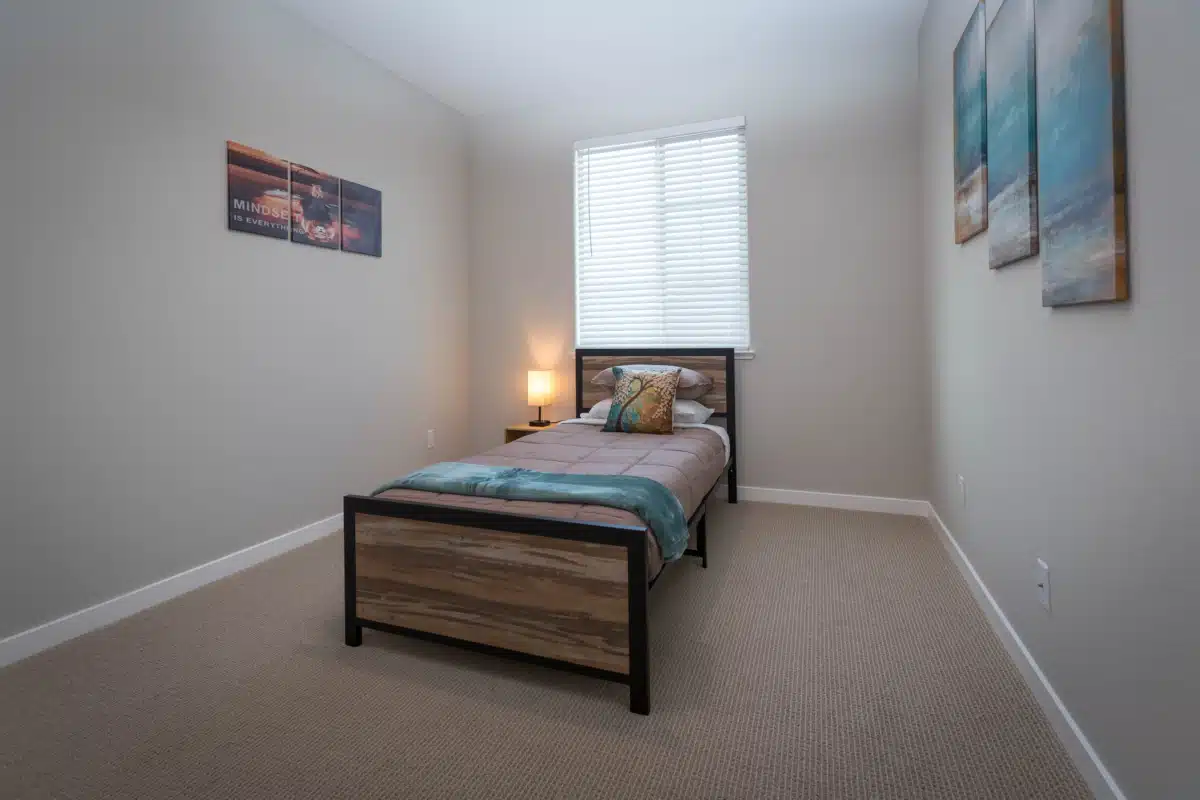
A Better Path Treatment Programs
A Better Path Treatment Programs, located in Lincoln, CA, provides exceptional substance use treatment specifically designed for adult men. The facility features specialized programs aimed at supporting active duty military personnel, adult men, and those who have faced intimate partner violence, creating a nurturing environment conducive to healing. Here, care is tailored to meet the needs of a variety of individuals, including adults, seniors, and young adults. The treatment incorporates various effective methods such as 12-step facilitation, anger management, and brief interventions, all of which contribute to a holistic approach to recovery. Clients looking for options can choose from long-term, 24-hour, or short-term residential treatment, all while receiving compassionate and effective support at this esteemed rehabilitation center.
Adapt Integrated Healthcare
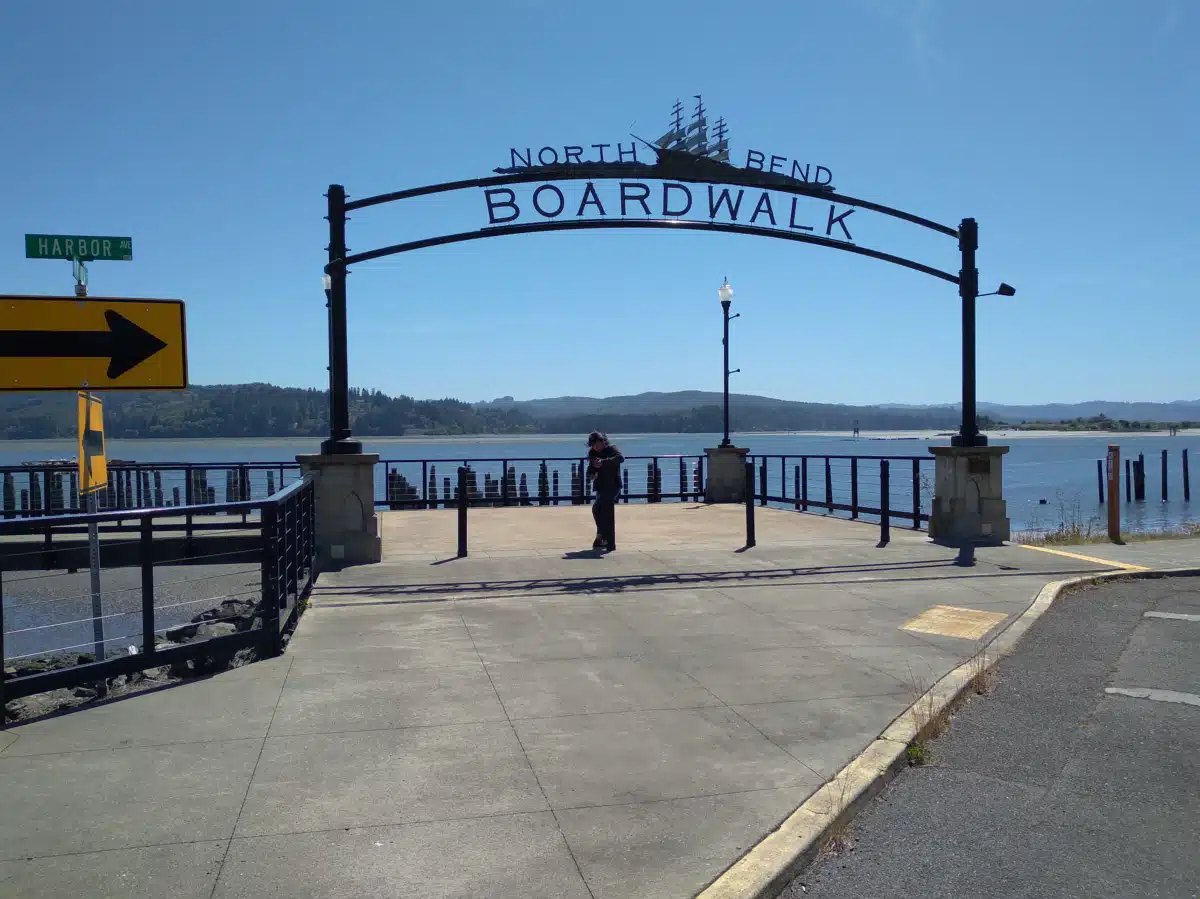
Adapt Integrated Healthcare, situated in Roseburg, OR, provides long-term and round-the-clock residential treatment programs aimed at adolescents battling addiction. This center stands out for its expertise in 12-step facilitation, brief intervention, and motivational incentives through contingency management. They have tailored programs specifically designed for clients who have gone through trauma, as well as those dealing with both mental health issues and substance use disorders. Committed to delivering high-quality care, Adapt Integrated Healthcare offers specialized services for both male and female clients, ensuring that individuals receive the comprehensive support they need on their road to recovery.
Amethyst House
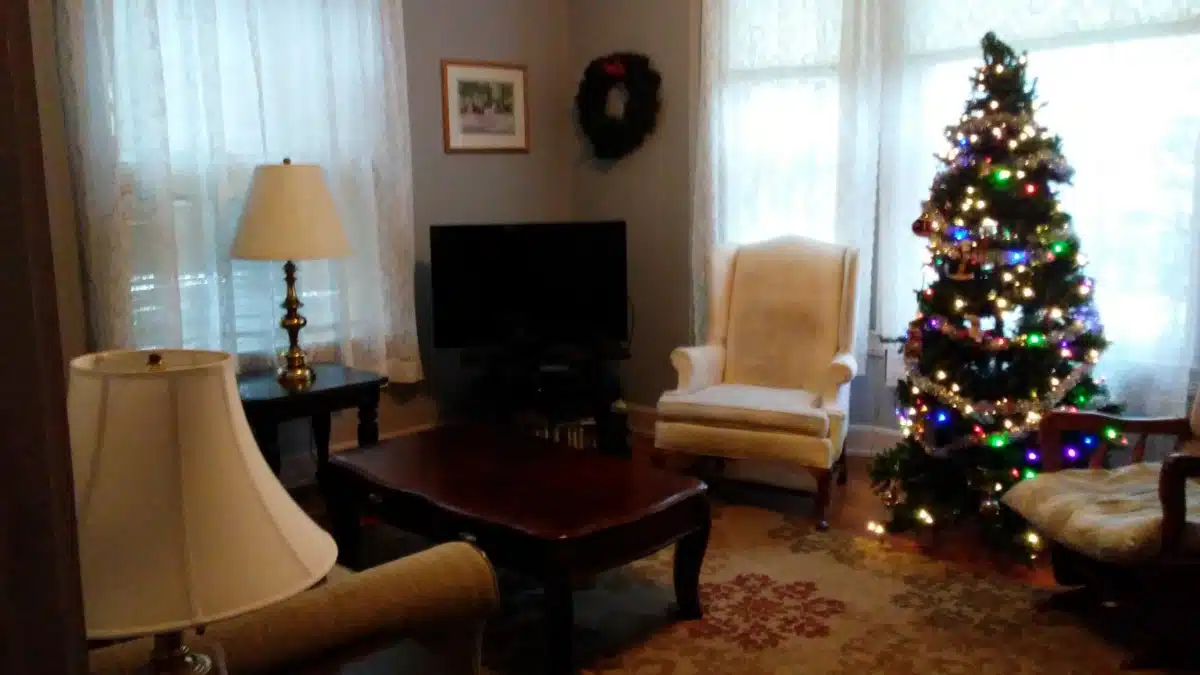
Amethyst House, situated in Bloomington, IN, provides long-term residential treatment for adult men dealing with substance use issues. The facility has particular expertise in addressing co-occurring substance use disorders alongside serious mental health conditions in adults, as well as significant emotional disturbances in children. The program employs a range of therapeutic approaches, including 12-step facilitation, cognitive behavioral therapy, and motivational interviewing, making it suitable for adults, seniors, and young adults alike. With its emphasis on supporting male clients, Amethyst House is dedicated to delivering high-quality care in a nurturing environment, guiding individuals on their path to recovery.
Amity Foundation
The Amity Foundation, situated in Los Angeles, CA, provides long-term residential treatment for adult men dealing with substance use issues, all within a nurturing atmosphere. They offer various options, including transitional housing, halfway houses, and sober living homes. Their program emphasizes 12-step facilitation, anger management, and brief intervention techniques, specifically designed for individuals who have faced trauma and those navigating the criminal justice system. Focusing on adult males, including seniors and young adults, the center is dedicated to delivering exceptional care to help individuals progress on their recovery journey. If you or someone you care about is searching for thorough substance use treatment, the Amity Foundation may be an excellent choice for achieving lasting change.
Angel Hope House
Situated in Newark, NJ, Angel Hope House provides long-term residential treatment for adult women struggling with substance use in a nurturing and secure setting. This facility is particularly skilled in addressing co-occurring substance use and serious mental health issues, including emotional disturbances affecting children. Emphasizing 12-step facilitation, anger management, and brief interventions, the center tailors its services to clients who have faced intimate partner violence, domestic abuse, and sexual trauma. Angel Hope House serves a diverse clientele, including adults, seniors, and young adults, and is committed to offering high-quality, gender-specific rehabilitation services to enhance each individual's recovery journey.
Alpha Home Inc
Alpha Home Inc, situated in San Antonio, TX, provides an extensive array of long-term residential treatment programs designed to tackle substance use disorders alongside serious mental health issues in adults. Additionally, they cater to children dealing with significant emotional challenges. The center places a particular emphasis on offering specialized care for adult women, including those who have faced intimate partner violence, domestic abuse, and sexual trauma. With a strong commitment to approaches such as 12-step facilitation, anger management, and brief interventions, Alpha Home Inc guarantees quality care and support for women at every stage of life, from young adults to seniors.
Addiction Recovery Care (ARC)
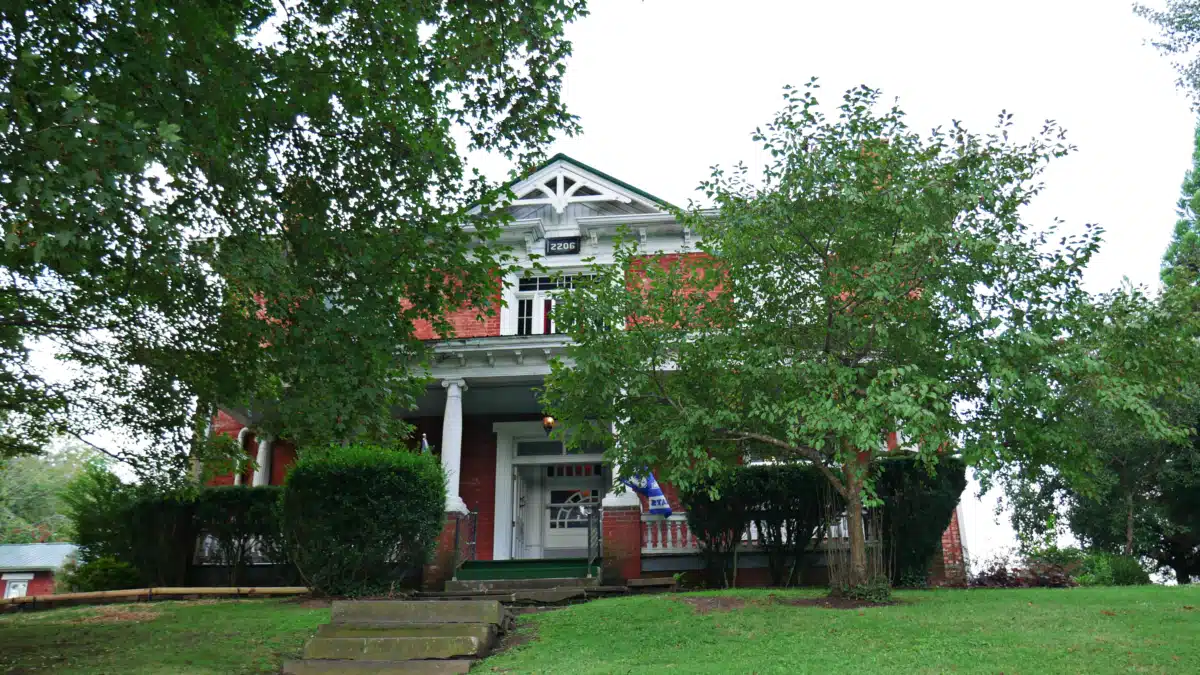
Addiction Recovery Care (ARC), situated in Owenton, KY, is dedicated to providing specialized treatment programs for adult and senior women, as well as young adults struggling with substance use. The center offers a range of services, including intensive outpatient care, long-term residential treatment, and outpatient options, all designed to meet the unique needs of each individual. At ARC, the approach to recovery incorporates 12-step facilitation, anger management techniques, and brief intervention strategies, ensuring a well-rounded support system. The facility's emphasis on personalized care truly sets it apart, as it actively seeks to address the distinct journeys of their clients toward sobriety. If you're in search of a comprehensive program that values quality and individualized attention, ARC is committed to helping you achieve a healthier, substance-free life.
Align Group Homes
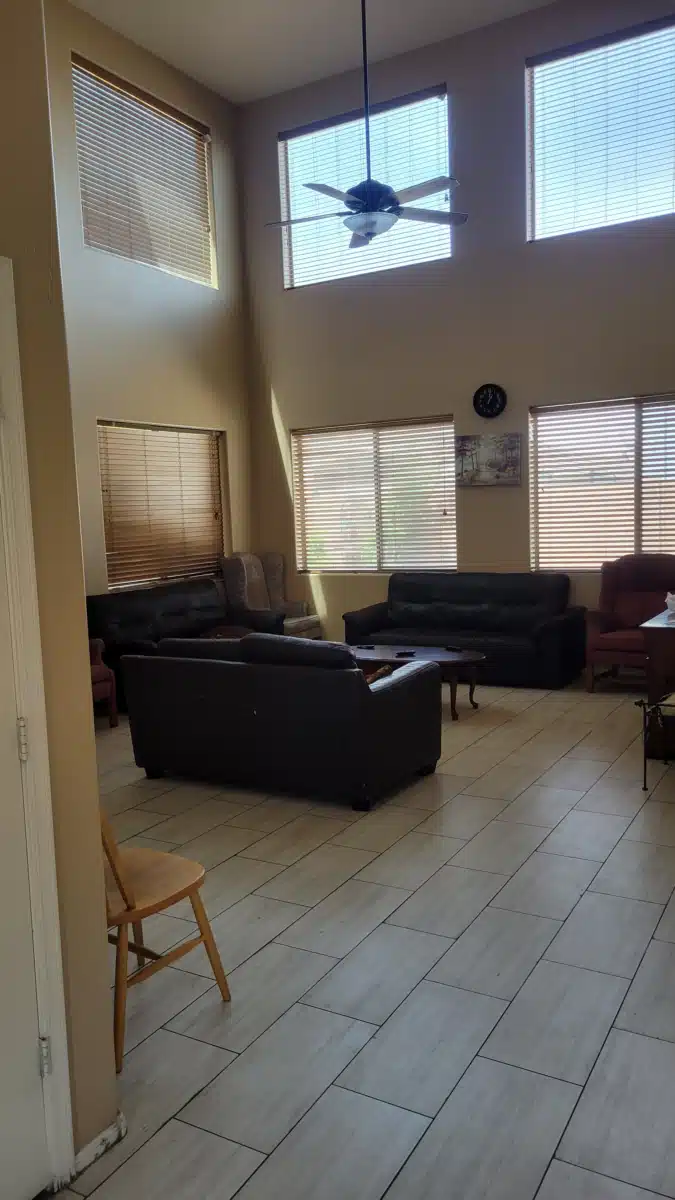
Situated in San Tan Valley, AZ, Align Group Homes is dedicated to providing long-term residential treatment for substance use in a nurturing atmosphere. The facility features transitional housing, halfway house, and sober living options designed for both adult men and women. They also offer specialized programs specifically for active-duty military members. With an emphasis on 12-step facilitation, anger management, and brief intervention techniques, this center serves young adults as well as older individuals who are in need of quality support. Align Group Homes is committed to assisting individuals of all genders on their path to recovery, ensuring a personalized approach to treatment.
Alternative Counseling Associates
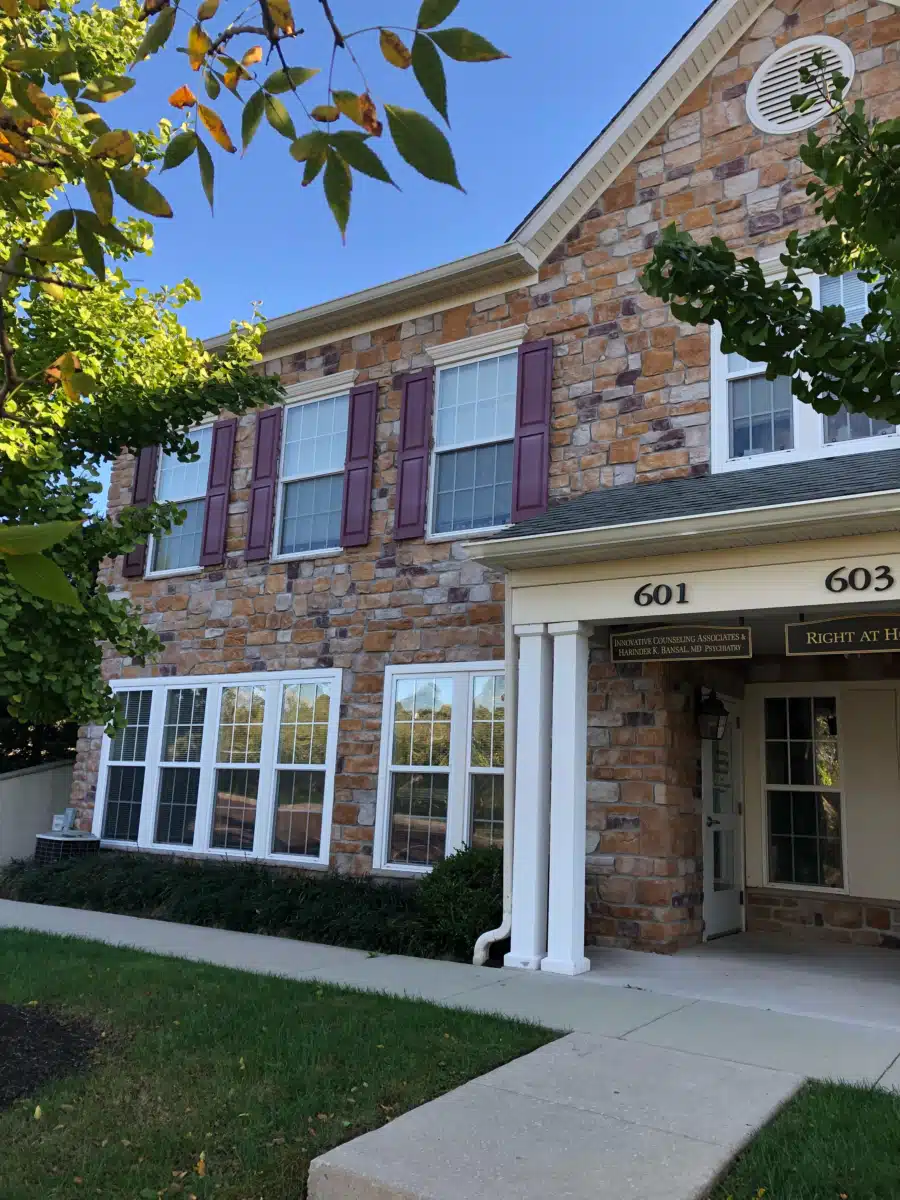
Alternative Counseling Associates, located in Pottstown, PA, provides long-term residential treatment for adult men struggling with substance use. They offer transitional housing along with sober living arrangements. This facility is dedicated to 12-step facilitation, anger management, and brief interventions, specifically addressing the needs of those who have endured intimate partner violence, domestic violence, and sexual abuse. Catering to a diverse clientele that includes adults, seniors, and young adults, Alternative Counseling Associates emphasizes personalized care and support. With a program tailored specifically for men, they foster a safe and nurturing environment for clients in need of comprehensive rehabilitation services.

Anderson House
Nestled in Whitehouse Station, NJ, Anderson House provides exceptional long-term residential treatment for adult women dealing with substance use issues. This facility combines transitional housing, halfway house, and sober home services, creating a safe and nurturing setting for recovery. With a special emphasis on supporting clients who have faced trauma and sexual abuse, Anderson House utilizes approaches like 12-step facilitation, anger management, and brief intervention. Their programs are thoughtfully designed for adult women, seniors, and young adults alike. Committed to delivering quality care and personalized treatment, Anderson House truly distinguishes itself in its mission to empower women on their recovery journey.
Aphesis House Inc
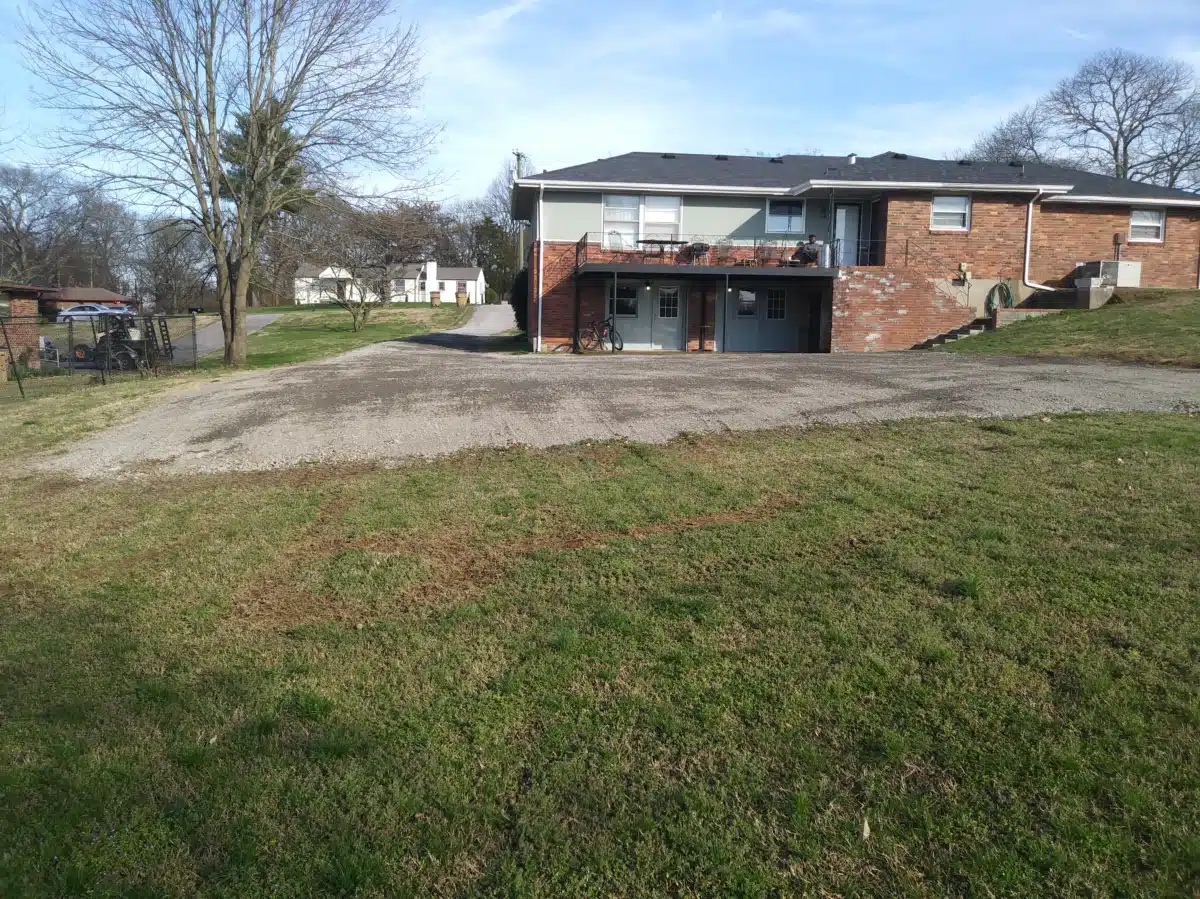
Aphesis House Inc, situated in Madison, TN, provides long-term residential treatment for adult men struggling with substance use. In addition to residential care, this facility offers transitional housing and sober living arrangements, all supported by 24-hour assistance. The program emphasizes key areas like anger management, cognitive behavioral therapy, and relapse prevention strategies. Notably, Aphesis House Inc has expertise in working with individuals facing co-occurring mental health and substance use disorders, including those transitioning from the criminal justice system. Tailoring its services for a diverse range of adults, seniors, and young adults, this center fosters a supportive, gender-specific environment for men seeking in-depth rehabilitation services.

228 COE House
Located in Framingham, MA, 228 COE House provides long-term residential treatment for adults dealing with substance use and serious co-occurring mental health issues, as well as for children facing significant emotional disturbances. The facility has a strong focus on 12-step facilitation, brief interventions, and cognitive behavioral therapy, ensuring that each client's recovery plan is personalized. It offers specific programs designed for adult women, those who have undergone intimate partner violence or trauma, and also caters to a diverse clientele that includes adults, seniors, and young adults. Aiming to deliver high-quality care within a safe and nurturing environment, 228 COE House is unique in its commitment to exclusively serving female clients through a comprehensive rehabilitation program.
Anchor House Inc
Located in Brooklyn, NY, Anchor House Inc provides long-term residential treatment specifically designed for adult women who have survived intimate partner violence, domestic violence, and sexual abuse. This facility excels in utilizing 12-step facilitation, anger management, and brief intervention techniques, all aimed at meeting the unique needs of its clients. Catering to adult women, including seniors and young adults, Anchor House Inc fosters a safe and nurturing atmosphere conducive to healing and recovery. With its individualized programs and skilled staff, the center is committed to delivering exceptional care for those seeking focused treatment for substance use disorders that arise from traumatic experiences.
Anchor House Inc
Anchor House Inc, located in Plymouth, MA, offers long-term residential treatment specifically designed for adult men dealing with substance use issues alongside co-occurring mental health disorders. This facility creates a nurturing atmosphere that provides targeted programs for individuals who have faced challenges such as intimate partner violence, domestic violence, or sexual abuse. By employing evidence-based methods, including 12-step facilitation, cognitive behavioral therapy, and contingency management, the center emphasizes a holistic approach to healing and recovery. With a gender-specific focus for male adults, Anchor House Inc prioritizes personalized care and support for each client. Their dedication to delivering high-quality care and specialized services positions them as a leading option for anyone in search of comprehensive and effective rehabilitation.
APT Foundation Inc
Located in New Haven, CT, APT Foundation Inc specializes in providing substance use treatment for adults facing co-occurring mental health issues, as well as emotional disturbances in children. The facility offers a range of residential treatment options, including long-term, 24-hour, and short-term stays, tailored to meet diverse needs. Their treatment modalities involve 12-step facilitation, anger management, and brief interventions. What sets APT Foundation apart are their specialized programs designed for active duty military personnel, adult women, and those who have experienced domestic violence. They cater to a wide demographic that includes adults, seniors, and young adults, with a particular emphasis on supporting female clients. With a strong commitment to delivering high-quality care, APT Foundation Inc fosters a comprehensive and nurturing environment for individuals on their journey to recovery from addiction and mental health challenges.
Arbor House
Find hope and healing at Arbor House, located in Hannibal, NY. This facility specializes in long-term residential treatment for individuals dealing with substance use issues as well as co-occurring serious mental health conditions. At Arbor House, the focus is on cognitive behavioral therapy and the use of motivational incentives, allowing for personalized care designed specifically for adult men and young adults. Additionally, the center provides transitional housing and sober living options. What sets Arbor House apart is its comprehensive approach and dedicated programs, ensuring that those on their recovery journey receive the quality care and support they need.
About Residential Treatment
Residential treatment offers the most comprehensive and immersive addiction care, providing a therapeutic environment free from daily triggers and distractions. At Penn Spine and Rehab, we connect you with residential programs that match your specific needs and preferences.
What Residential Treatment Provides
A typical day in residential treatment includes:
- Individual therapy sessions with licensed counselors
- Group therapy addressing addiction-related topics
- Evidence-based therapies like CBT and DBT
- Psychoeducational groups about addiction and recovery
- Holistic activities like yoga, meditation, and fitness
- 12-step meetings or alternative recovery support
- Nutritious meals and structured daily schedules
Who Benefits from Residential Treatment
Residential treatment is recommended for individuals with moderate to severe substance use disorders, those who have relapsed after less intensive treatment, people with unstable living situations, and those needing to step away from their environment to focus on recovery.
Program Duration and Transition
Programs typically range from 30 to 90 days, though long-term options are available for those needing extended care. After residential treatment, many individuals step down to IOP or outpatient care while transitioning back to daily life.
Key Statistics: Residential Treatment
completion rate for 90-day residential programs
Source: NIDA
minimum recommended stay for optimal outcomes
Source: NIDA
reduction in substance use post-residential treatment
Source: SAMHSA
higher recovery success rate vs. short-term treatment alone
Source: Journal of Substance Abuse Treatment
Conditions Best Suited for Residential Treatment
Immersive environment removes access to substances during critical early recovery
Learn MoreStructured setting helps break patterns and develop new coping skills
Learn MoreIntegrated treatment addresses both addiction and mental health simultaneously
Learn MoreExtended stay allows brain healing time without relapse triggers
Learn MoreWhat to Expect: Residential Treatment Process
Admission & Assessment
Days 1-3
Medical evaluation, psychiatric assessment, treatment plan development, orientation to the facility and program rules.
Early Treatment
Weeks 1-2
Begin individual and group therapy, adjust to daily schedule, detox support if needed, start building therapeutic relationships.
Core Treatment
Weeks 3-8
Intensive therapy addressing root causes, trauma work, skill-building, family sessions, and developing a relapse prevention plan.
Transition Planning
Weeks 8-12
Aftercare planning, step-down to IOP or outpatient, sober living arrangements, community support connections.
Frequently Asked Questions: Residential Treatment
Resources & Citations
Medical Disclaimer
This information is for educational purposes only and does not constitute medical advice. The appropriate level of care depends on individual circumstances and should be determined through a professional assessment. Always consult a qualified healthcare provider or addiction specialist before making treatment decisions.