Marijuana Dependence Rehab Centers
Marijuana dependence treatment helps individuals recognize problematic cannabis use patterns and develop strategies for change. Programs utilize motivational enhancement therapy, cognitive-behavioral approaches, and peer support to address psychological dependency and build a fulfilling life without cannabis.
Found 368 rehab centers specializing in marijuana dependence across the United States.
Need Help Finding the Right Treatment?
Browse our directory or call to discuss treatment options.
Showing 20 of 368 marijuana dependence rehab centers
Canyonlands Healthcare
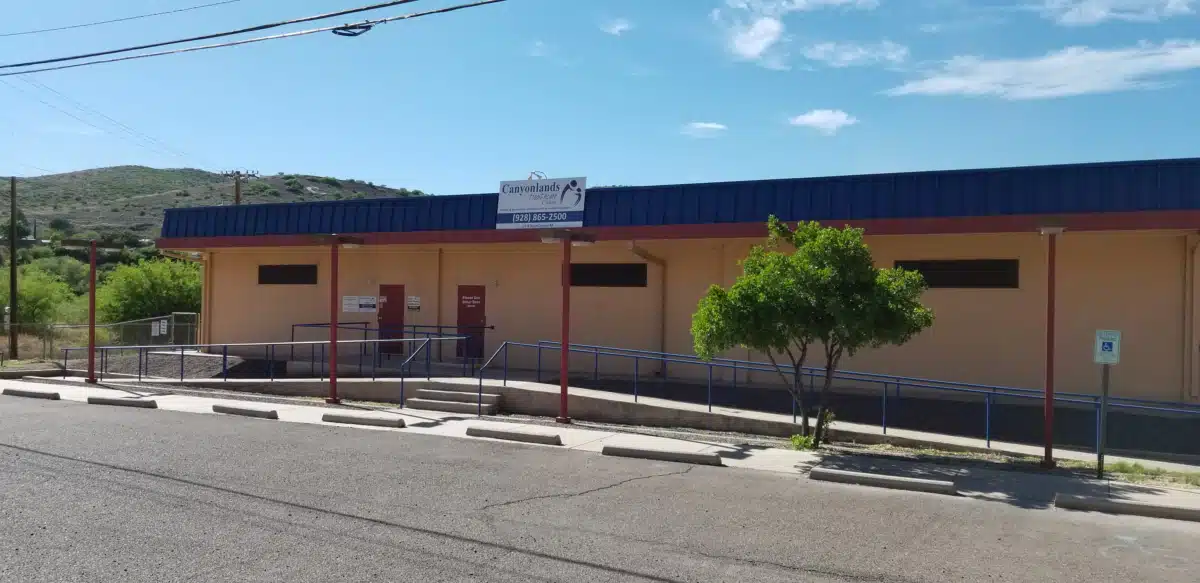
Canyonlands Healthcare, situated in Globe, AZ, offers outpatient substance use treatment specifically designed for adult and senior males. The facility features specialized programs including anger management, brief intervention, and cognitive behavioral therapy. Committed to providing personalized care, Canyonlands tailors treatment plans to fit the unique needs of each individual. Their services encompass outpatient methadone/buprenorphine or naltrexone treatments, regular outpatient care, all while prioritizing high-quality support. If you or someone you know is looking for a comprehensive addiction treatment program in a nurturing environment, Canyonlands Healthcare may be the perfect choice to assist in your recovery journey.
Center for Healthcare Services
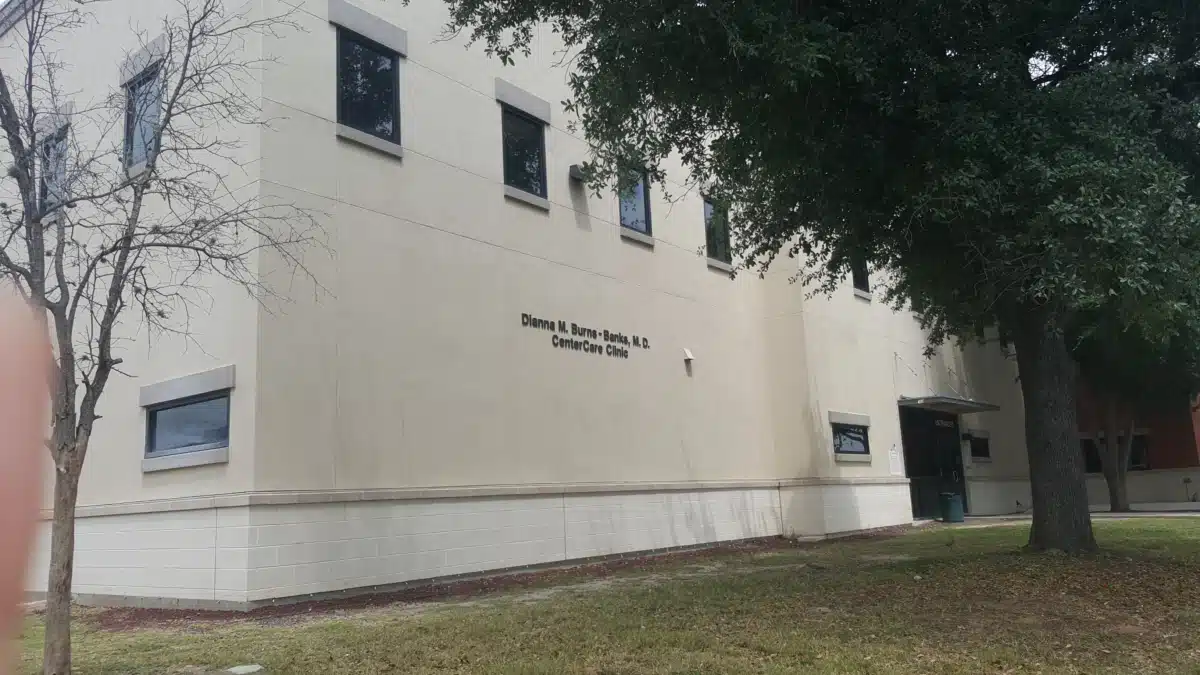
The Center for Healthcare Services, situated in San Antonio, TX, provides a wide array of addiction treatment services. Among its offerings are specialized detoxification and substance use programs, which include residential detox, round-the-clock care, and short-term residential options. The center adopts evidence-based methods, such as brief intervention, motivational interviewing, and counseling for substance use disorders, ensuring care is customized to meet each individual's unique needs. Catering to both adults and young adults, the center features gender-specific programs for men and women. With a strong emphasis on personalized treatment, the Center for Healthcare Services is committed to guiding individuals as they navigate their recovery journey.
Central Alabama VA Healthcare System
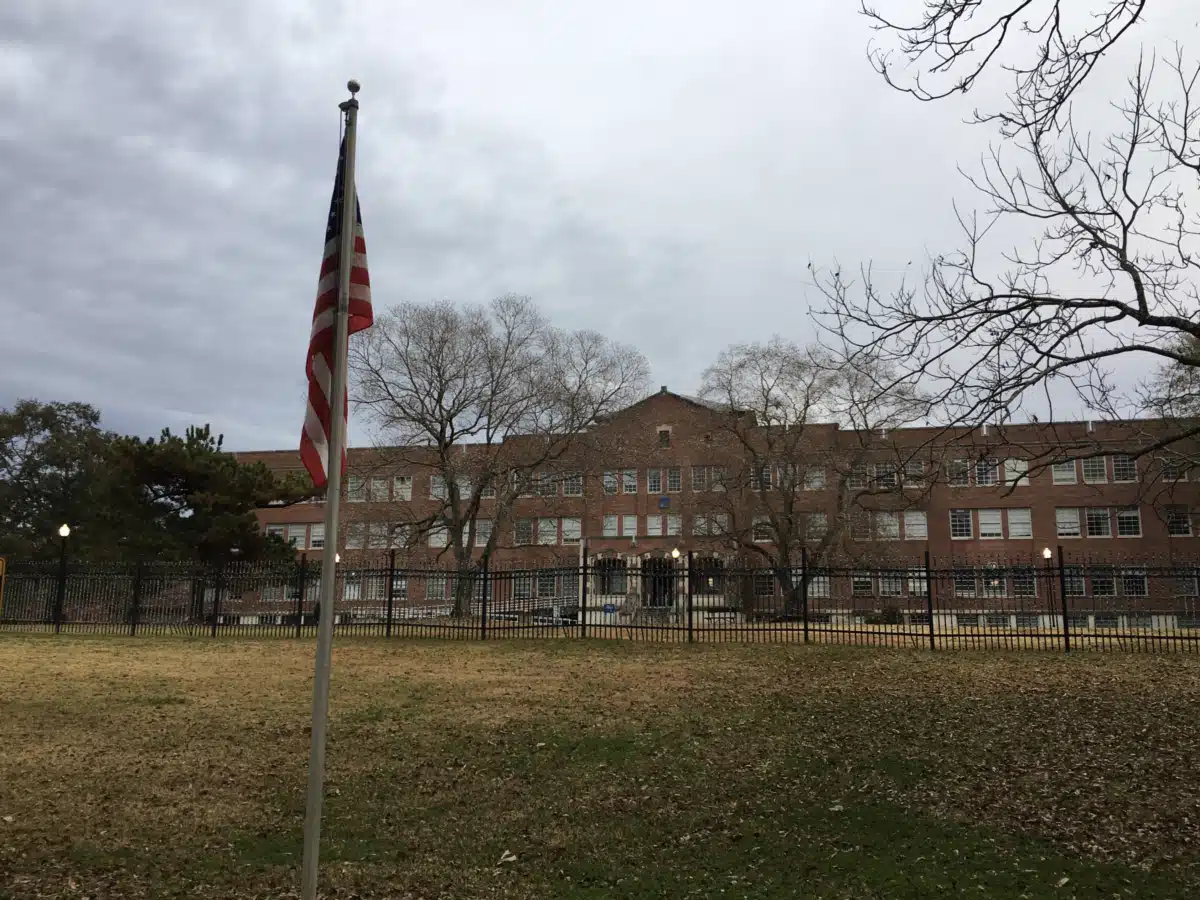
Situated in Tuskegee, AL, the Central Alabama VA Healthcare System provides an extensive variety of treatment solutions for substance use, transitional housing, and co-occurring mental health issues for both adults and children. Their offerings include intensive outpatient treatment, outpatient day programs, and partial hospitalization, utilizing methods like 12-step facilitation, anger management, and brief interventions. This facility is dedicated to serving adult men and women, including those who have faced intimate partner or domestic violence. Committed to delivering quality care, the center creates a welcoming atmosphere for adult and young adult clients of all genders who are on their path to recovery.

Central Texas VA Healthcare
Central Texas VA Healthcare, located in Austin, TX, provides an extensive array of rehabilitation services specifically designed for adults and young adults facing challenges related to substance use and co-occurring mental health conditions. The facility offers a variety of options, including intensive outpatient treatment and outpatient detoxification, along with several evidence-based methods, such as 12-step facilitation and anger management. There are also specialized programs for those who have experienced trauma, intimate partner violence, sexual abuse, or domestic violence. By emphasizing quality care and personalized treatment plans, this facility supports both male and female clients as they pursue recovery in a safe and welcoming environment.
Canyonlands Healthcare
Canyonlands Healthcare, situated in Safford, AZ, provides specialized outpatient treatment programs for adult and senior men dealing with substance use challenges. With a strong emphasis on individualized care, the facility combines methods such as anger management, brief intervention, and cognitive behavioral therapy to tackle addiction in an effective manner. Offering outpatient treatment options that include methadone, buprenorphine, or naltrexone, the center addresses a wide range of client needs. Each individual benefits from tailored treatment plans aimed at fostering recovery and achieving long-term sobriety. Canyonlands Healthcare distinguishes itself through its dedication to delivering quality care and extensive support for those striving to overcome substance use disorders.
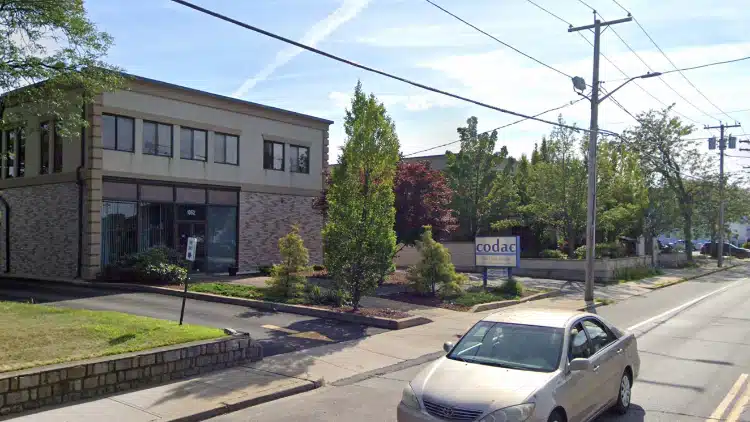
CODAC Behavioral Healthcare
Situated in Cranston, RI, CODAC Behavioral Healthcare provides an extensive array of addiction treatment services. This center excels in detoxification and substance use treatment, while also tackling co-occurring substance use disorders linked to serious mental health issues in adults, as well as emotional challenges in children. CODAC offers a variety of treatment options, such as intensive outpatient care, outpatient programs, and outpatient detoxification. They employ evidence-based methods, including cognitive behavioral therapy and motivational incentives, to foster enduring recovery. Programs are specifically designed for adult men, adult women, and young adults, accommodating a range of ages and genders. With a commitment to quality care for adults and seniors, CODAC Behavioral Healthcare is noted for its holistic and personalized approach to rehabilitation.
CODAC Behavioral Healthcare
Located in Providence, RI, CODAC Behavioral Healthcare delivers a wide array of addiction treatment services tailored to meet diverse needs. The facility offers detoxification, substance use treatment, and specialized support for individuals facing both substance use issues and serious mental health challenges. Treatments are available in various formats, including intensive outpatient, outpatient, and outpatient detox programs. At CODAC, evidence-based methodologies such as brief interventions, cognitive behavioral therapy, and contingency management with motivational incentives are employed to ensure effective care. Additionally, they provide targeted programs specifically designed for adult men, adult women, as well as pregnant and postpartum women. With a commitment to serving adults and seniors of all genders, CODAC Behavioral Healthcare prioritizes delivering high-quality, personalized care to those on their journey to recovery from addiction.
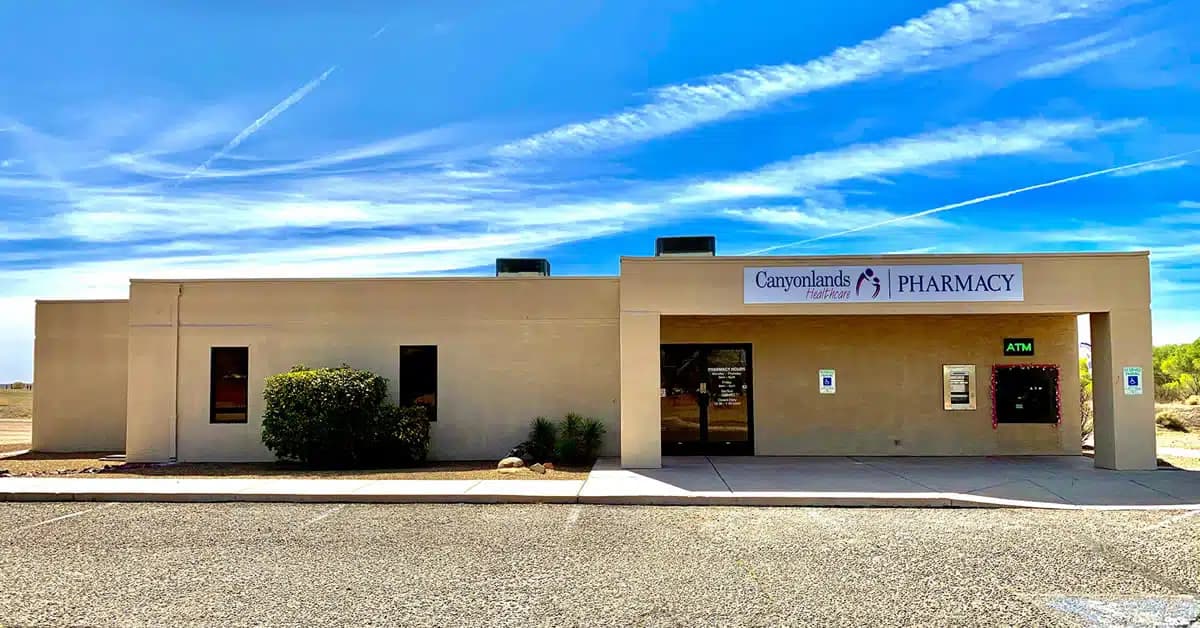
Canyonlands Community Healthcare
Canyonlands Community Healthcare, situated in Duncan, AZ, specializes in substance use treatment for adult and senior males. This center offers a range of outpatient services, such as outpatient methadone/buprenorphine or naltrexone treatment, regular outpatient care, anger management classes, brief interventions, and cognitive behavioral therapy. What truly distinguishes this facility is its commitment to personalized care, ensuring that each client receives treatment tailored to their specific needs. With an emphasis on quality and evidence-based practices, Canyonlands Community Healthcare is focused on empowering individuals to overcome addiction and embrace fulfilling lives. If you or someone close to you is in search of effective and customized rehabilitation services, this center stands out as a valuable ally on the path to recovery.
Canyonlands Healthcare
Canyonlands Healthcare, situated in Page, AZ, specializes in outpatient substance use treatment specifically for adult and senior males. The center offers various treatment options, including outpatient care with methadone, buprenorphine, or naltrexone. With a strong emphasis on personalized care, Canyonlands incorporates techniques such as anger management, brief intervention, and cognitive behavioral therapy to effectively tackle addiction challenges. What sets this facility apart is its commitment to customized programs that cater to the individual needs of each client. If you're seeking high-quality addiction treatment with a personal touch, Canyonlands Healthcare is dedicated to supporting you on your journey to recovery.
Canyonlands Healthcare
Canyonlands Healthcare, located in Clifton, AZ, specializes in outpatient substance use treatment designed for adult and senior males. The center employs a variety of methods, such as anger management, brief intervention, and cognitive behavioral therapy. By concentrating on personalized care, this facility customizes treatment plans to cater to the specific needs of each client. Their offerings include outpatient services for methadone/buprenorphine and naltrexone, along with standard outpatient support. Canyonlands Healthcare is dedicated to delivering top-notch care to assist clients on their path to recovery.
Canyonlands Healthcare
Canyonlands Healthcare, situated in Safford, AZ, delivers outpatient substance use treatment specifically designed for adult and senior men. This center prides itself on its tailored programs that emphasize individualized care. Among the various treatment strategies offered, you will find options like relapse prevention and telemedicine/telehealth therapy, ensuring comprehensive support for every client. What sets Canyonlands Healthcare apart is its dedication to quality care and the personal attention given to each individual. Their services include outpatient treatment using methadone, buprenorphine, or naltrexone, along with regular outpatient programs. With a strong focus on empowering clients on their recovery journey, this facility is a fantastic option for anyone seeking effective addiction treatment in a nurturing environment.
Canyonlands Healthcare
Situated in Littlefield, AZ, Canyonlands Healthcare specializes in substance use treatment specifically designed for adult and senior men. They offer a range of services, including outpatient programs, as well as methadone/buprenorphine or naltrexone treatment options, and standard outpatient care. The center employs various methods like anger management, brief interventions, and cognitive behavioral therapy, ensuring that their programs are customized to fit each individual’s needs. Committed to providing personalized care, Canyonlands Healthcare focuses on delivering high-quality treatment tailored to help clients thrive. If you are looking for a comprehensive addiction treatment experience in a supportive setting, this facility is devoted to guiding you toward a successful and lasting recovery.
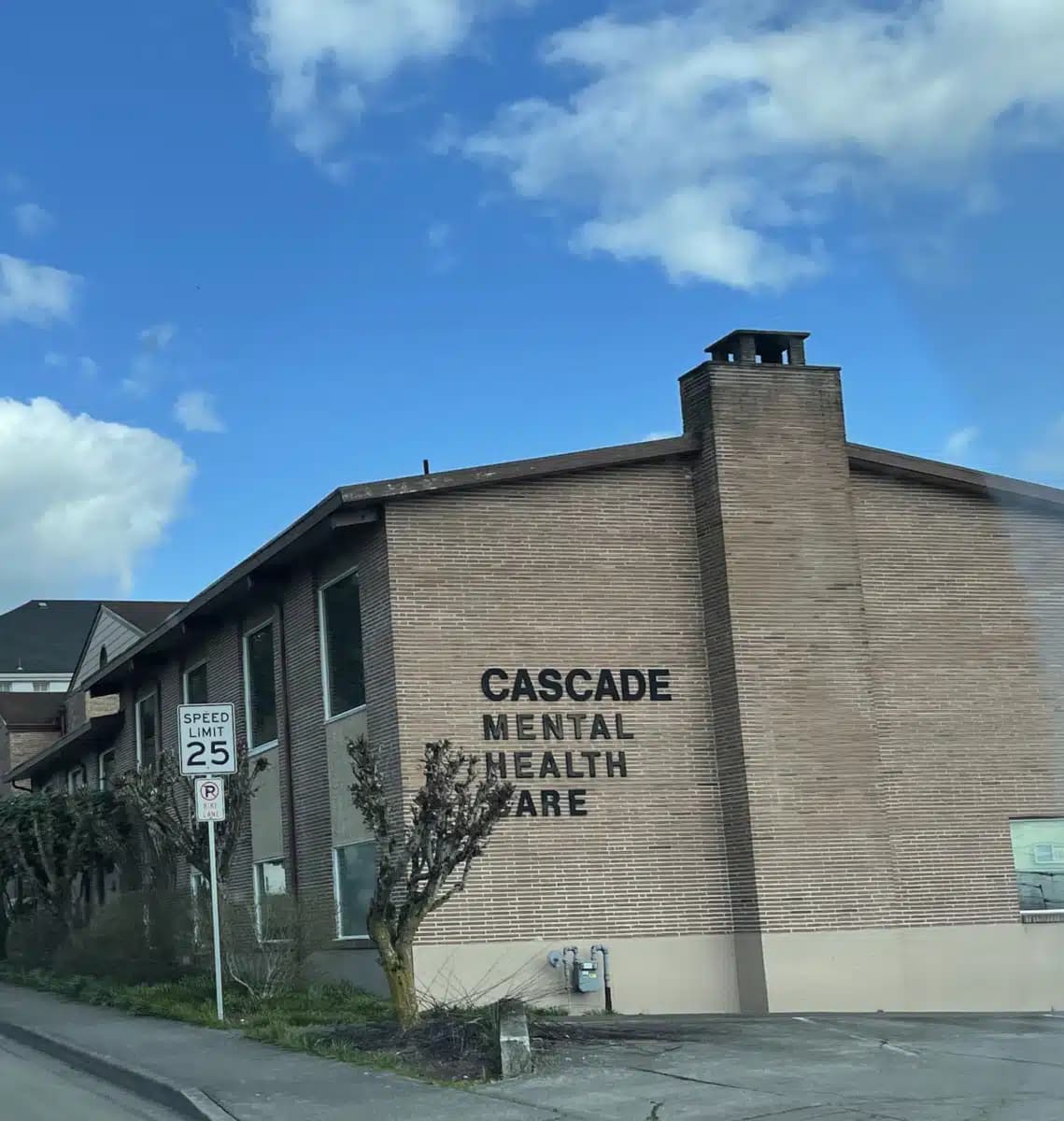
Cascade Community Healthcare
Cascade Community Healthcare, located in Chehalis, WA, provides a wide array of addiction treatment services for both adults and children. The center excels in areas such as detoxification, substance use treatment, and addressing co-occurring disorders. With offerings that include intensive outpatient and outpatient programs, the facility also specializes in outpatient detoxification. Their approach focuses on brief interventions, cognitive behavioral therapy, and community reinforcement, making it a supportive environment for clients dealing with dual challenges of pain and substance use disorders. Cascade Community Healthcare is inclusive, welcoming both male and female clients and ensuring that each individual receives personalized care. Here, you can expect quality treatment rooted in evidence-based methods, all aimed at helping individuals embark on a path toward lasting recovery.
CMI Heathcare Services
Located in Memphis, TN, CMI Healthcare Services specializes in treating adult women grappling with substance use and serious mental health challenges. The facility offers a range of programs, including intensive outpatient, long-term residential, and outpatient options, all designed to cater to individual needs. Their approach combines 12-step facilitation, anger management, and brief intervention strategies to ensure well-rounded care for each patient. Notably, they also provide tailored programs for pregnant and postpartum women, reflecting their dedication to serving a diverse population. CMI Healthcare Services is committed to delivering high-quality care to adults, seniors, and young adults in a welcoming atmosphere. If you're looking for personalized treatment in a supportive environment, this facility is here to assist you on your recovery journey.
CODAC Behavioral Healthcare
Situated in Newport, RI, CODAC Behavioral Healthcare provides a wide array of rehabilitation services tailored for adults and seniors. The facility specializes in detoxification, treatment for substance use, and addressing co-occurring disorders. They offer intensive outpatient treatment, along with outpatient services and detox programs. By employing evidence-based methods like cognitive behavioral therapy and contingency management, CODAC meets the needs of adult men, women, and young adults. Committed to delivering quality care through personalized interventions, this center aims to assist individuals in their recovery journey from addiction and dual diagnosis challenges.

Bright Star Healthcare Group
At Bright Star Healthcare Group, located in McDonough, GA, individuals facing challenges with substance use can access a wide range of outpatient treatment options. The center provides dedicated programs specifically designed for adult men, adult women, and women who are pregnant or in the postpartum phase. Catering to both adults and young adults of any gender, this facility offers outpatient care utilizing methadone, buprenorphine, or naltrexone treatment. They implement various strategies such as 12-step facilitation, anger management, and brief interventions. By focusing on personalized care and evidence-based methods, Bright Star Healthcare Group creates a compassionate and effective atmosphere for those aiming to overcome addiction.
Center for Healthcare Services
Located in San Antonio, TX, the Center for Healthcare Services provides a wide array of treatment options for individuals working towards recovery from substance use disorders. With a focus on hospital inpatient treatment, long-term residential care, and transitional housing, this facility creates a nurturing atmosphere specifically for adult and senior women. Dedicated to individualized care, the center employs customized strategies, including 12-step facilitation and anger management. They also offer unique programs designed for pregnant and postpartum women, underscoring their dedication to specialized treatment. If you or someone you care about is looking for a safe, structured setting to start the recovery process, this facility is committed to delivering quality care in a compassionate environment.
CODAC Behavioral Healthcare
Situated in East Providence, RI, CODAC Behavioral Healthcare provides an extensive selection of evidence-based treatment programs specifically designed for adults and young adults facing substance use disorders alongside co-occurring mental health issues. The facility offers various services, including intensive outpatient treatment, outpatient care, and outpatient detoxification. Their methodologies incorporate techniques such as brief interventions, cognitive behavioral therapy, and motivational incentives. With tailored programs for adult men, adult women, and young adults, CODAC accommodates a variety of demographics. Their unwavering dedication to delivering quality care to both adults and seniors, irrespective of gender, positions this center as a vital resource for those in need of effective and personalized addiction treatment services.
CODAC Behavioral Healthcare
Located in Pawtucket, RI, CODAC Behavioral Healthcare provides a full range of addiction treatment services, from detoxification to substance use treatment. The center offers intensive outpatient treatment, various outpatient programs, and outpatient detox services, all customized to meet the unique needs of each individual. By employing evidence-based methods such as brief intervention, cognitive behavioral therapy, and contingency management with motivational incentives, this facility supports adult men, adult women, and young adults alike. CODAC Behavioral Healthcare is dedicated to delivering high-quality care through specialized programs that assist adults, seniors, and young adults of all genders on their path to recovery.
CODAC Behavioral Healthcare II
Located in Saunderstown, RI, CODAC Behavioral Healthcare II provides a wide range of addiction treatment options for both adults and children dealing with co-occurring mental health issues. Their offerings encompass detoxification, substance use treatment, and therapy aimed at addressing serious emotional disturbances. Emphasizing cognitive behavioral therapy and motivational incentives, the center presents both intensive outpatient and outpatient services tailored for adult men, women, and young adults. The facility caters to all genders and seniors, ensuring that each individual's unique needs are met with a personalized approach. What truly sets CODAC Behavioral Healthcare II apart is its commitment to delivering high-quality care and specialized programs, positioning it as a leading choice for those in search of effective rehabilitation services.
About Marijuana Dependence Treatment
While often considered less harmful than other substances, marijuana can lead to psychological dependency that significantly impacts daily life. At Penn Spine and Rehab, we help individuals find supportive treatment programs for cannabis use disorder.
Understanding Cannabis Use Disorder
Cannabis use disorder affects approximately 10% of people who use marijuana, with higher rates among those who start using in adolescence or use daily. With increased potency of modern cannabis products, more individuals are seeking treatment for problematic use.
Signs of cannabis use disorder may include:
- Using more marijuana than intended or for longer periods
- Unsuccessful attempts to cut down or stop
- Spending significant time obtaining, using, or recovering from marijuana
- Cravings and withdrawal symptoms like irritability, sleep problems, and decreased appetite
- Continued use despite negative effects on work, school, or relationships
Treatment Options
Effective treatments for marijuana dependence include:
- Cognitive Behavioral Therapy: Identifies triggers and develops coping strategies
- Motivational Enhancement Therapy: Builds motivation for change
- Contingency Management: Provides positive reinforcement for abstinence
- Support Groups: Marijuana Anonymous and other peer support programs
Finding the Right Support
Many individuals with marijuana dependence benefit from outpatient treatment that allows them to maintain work and family responsibilities while receiving help. Those with more severe dependency or co-occurring conditions may benefit from intensive outpatient or residential programs.
Causes & Risk Factors for Marijuana Dependence
Marijuana Dependence develops through a combination of genetic, environmental, and psychological factors. Understanding these risk factors can help identify who may be vulnerable and support early intervention.
- •Increasing THC potency making modern marijuana more addictive than previous generations
- •Adolescent brain vulnerability — using before age 18 significantly increases dependence risk
- •Self-medication for anxiety, insomnia, or chronic pain
- •Social normalization and perceived harmlessness reducing caution
- •Genetic factors affecting cannabinoid receptor sensitivity
- •Daily or near-daily use patterns developing gradually
- •Mental health conditions — especially anxiety, depression, and ADHD
Marijuana Dependence Statistics
Americans used marijuana in 2021
Source: SAMHSA
People had cannabis use disorder in 2021
Source: SAMHSA
Of marijuana users may develop some degree of use disorder
Source: NIDA
Of those who start using as teens become dependent
Source: NIDA
THC potency increase over the past 25 years
Source: NIDA
Most common illicit drug mentioned in ER visits
Source: DAWN/SAMHSA
Co-Occurring Conditions
Marijuana Dependence frequently occurs alongside other mental health and substance use conditions. Integrated dual diagnosis treatment addresses all conditions simultaneously for better outcomes.
What to Expect in Marijuana Dependence Treatment
Assessment (Day 1)
Evaluate cannabis use patterns, frequency, potency. Screen for co-occurring mental health conditions. Most people begin outpatient treatment unless co-occurring conditions warrant higher care.
Withdrawal Management (Weeks 1-3)
No medications required, but supportive care for insomnia, irritability, and appetite changes. Establish healthy sleep routines. Exercise and relaxation techniques.
Behavioral Therapy (Weeks 2-12)
Motivational Enhancement Therapy to build commitment to change. CBT to identify triggers and develop alternatives. Address underlying reasons for use (anxiety, boredom, social pressure).
Lifestyle Restructuring (Weeks 4-12+)
Build substance-free social activities. Develop healthy coping for stress and emotions. Address sleep, exercise, and nutrition. Career and relationship goals.
Maintenance (Ongoing)
Continued outpatient therapy as needed. Peer support. Relapse prevention planning. Monitor and treat any emerging mental health symptoms.
Frequently Asked Questions About Marijuana Dependence Treatment
Resources & Sources
The information on this page is based on peer-reviewed research and authoritative health organizations. Always consult a healthcare professional for medical advice.
Medical Disclaimer: This content is for informational purposes only and does not constitute medical advice. Always seek the guidance of a qualified healthcare provider for diagnosis and treatment. If you or someone you know is in crisis, call 911 or the SAMHSA National Helpline at 1-800-662-4357 (free, confidential, 24/7).