Gaming Addiction Rehab Centers
Gaming addiction treatment addresses problematic video game, internet, and technology use through specialized behavioral therapies. Programs help individuals understand the psychological drivers of excessive gaming, develop healthy relationships with technology, and build real-world connections and activities.
Found 8,160 rehab centers specializing in gaming addiction across the United States.
Need Help Finding the Right Treatment?
Browse our directory or call to discuss treatment options.
Showing 20 of 8160 gaming addiction rehab centers
Royal Life Centers
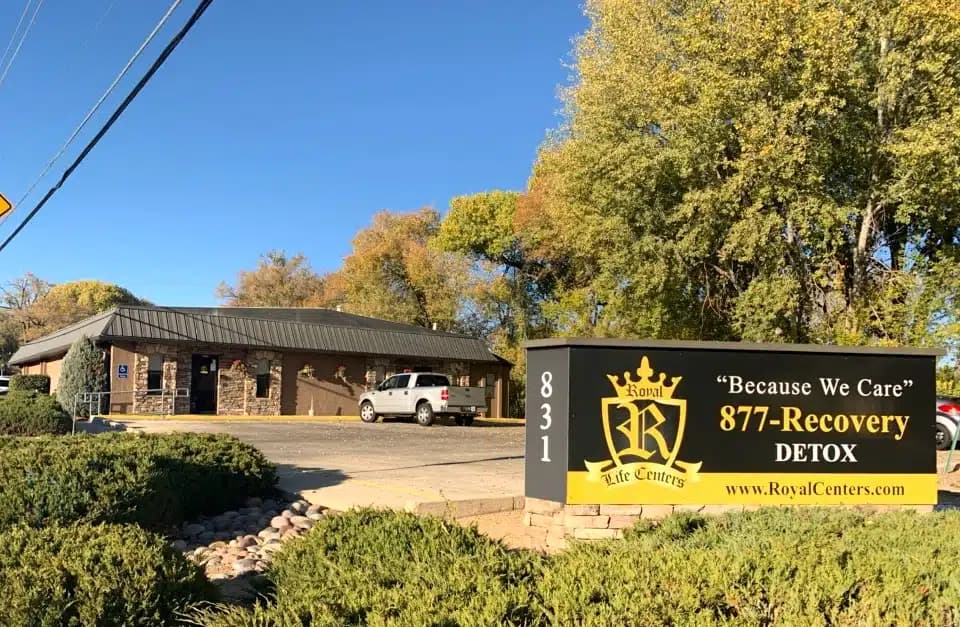
Located in Prescott, AZ, Royal Life Centers provides exceptional substance use treatment in a peaceful residential environment. The facility emphasizes various therapeutic approaches, including 12-step facilitation, anger management, and brief intervention techniques aimed at combating addiction. Royal Life Centers tailors its programs specifically for active-duty military personnel, adult men, and those who have faced intimate partner violence, ensuring that each individual receives the support they need. Catering to adults, seniors, and young adults alike, this center predominantly serves male clients who are in search of comprehensive rehabilitation services. By choosing Royal Life Centers, you'll benefit from high-quality care and personalized treatment plans designed to promote effective recovery and lasting sobriety.

Oakland Psychological Clinic PC
Oakland Psychological Clinic PC, located in Lake Orion, MI, specializes in outpatient treatment for substance use, prioritizing individualized care. The clinic offers regular sessions that incorporate a range of approaches, including anger management, cognitive behavioral therapy, and motivational interviewing. Catering to adults and seniors of all genders, this facility is distinguished by its focus on creating personalized treatment plans. Clients find a welcoming atmosphere that allows them to effectively tackle their specific challenges. With a devoted team of professionals, Oakland Psychological Clinic PC is committed to providing high-quality support for individuals aiming to overcome substance use issues.
Uptown DUI Services
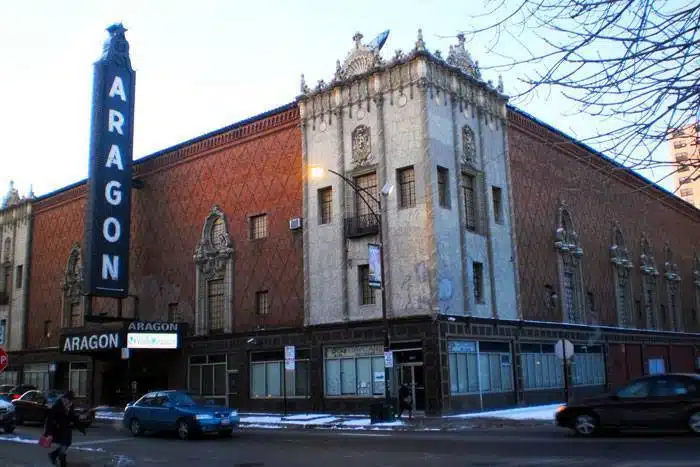
Uptown DUI Services, situated in Chicago, IL, provides extensive substance use treatment for both adults and young adults. The center offers a range of programs, including intensive outpatient treatment, outpatient services, and regular outpatient programs. With a focus on personalized care, they incorporate various methods such as anger management, brief intervention, and cognitive behavioral therapy to meet the distinct needs of those on their recovery journey. Additionally, the facility features specialized programs designed for active duty military personnel, as well as adult men and women. By catering to both male and female clients, Uptown DUI Services ensures that individuals receive high-quality care and effective support as they confront the hurdles of addiction.

Scottsdale Recovery II LLC
Located in Paradise Valley, AZ, Scottsdale Recovery II LLC provides hospital inpatient detoxification services aimed at adults and young adults who are seeking to overcome substance use disorders. The center features around-the-clock hospital inpatient care, emphasizing methods such as 12-step facilitation, brief interventions, and cognitive behavioral therapy. They also offer specialized programs designed for clients dealing with both mental health concerns and substance use issues, serving both men and women. With a strong commitment to delivering quality care and personalized treatment plans, Scottsdale Recovery II LLC stands out as an important resource for individuals ready to start their journey towards sobriety.

Central California Recovery Inc
Central California Recovery Inc, located in Fresno, CA, specializes in providing thorough substance use treatment for both adults and young adults. The center offers a range of services, including intensive outpatient, outpatient, and regular outpatient treatment, all grounded in evidence-based practices such as cognitive behavioral therapy and contingency management. What sets this facility apart is its commitment to personalized care; treatment plans are customized to address the unique needs of each individual client. The center welcomes both men and women, fostering a supportive and inclusive atmosphere for everyone. If you're seeking a quality addiction treatment program that prioritizes individualized support, you can count on Central California Recovery Inc to guide you on your journey toward lasting recovery.
Sunset Malibu
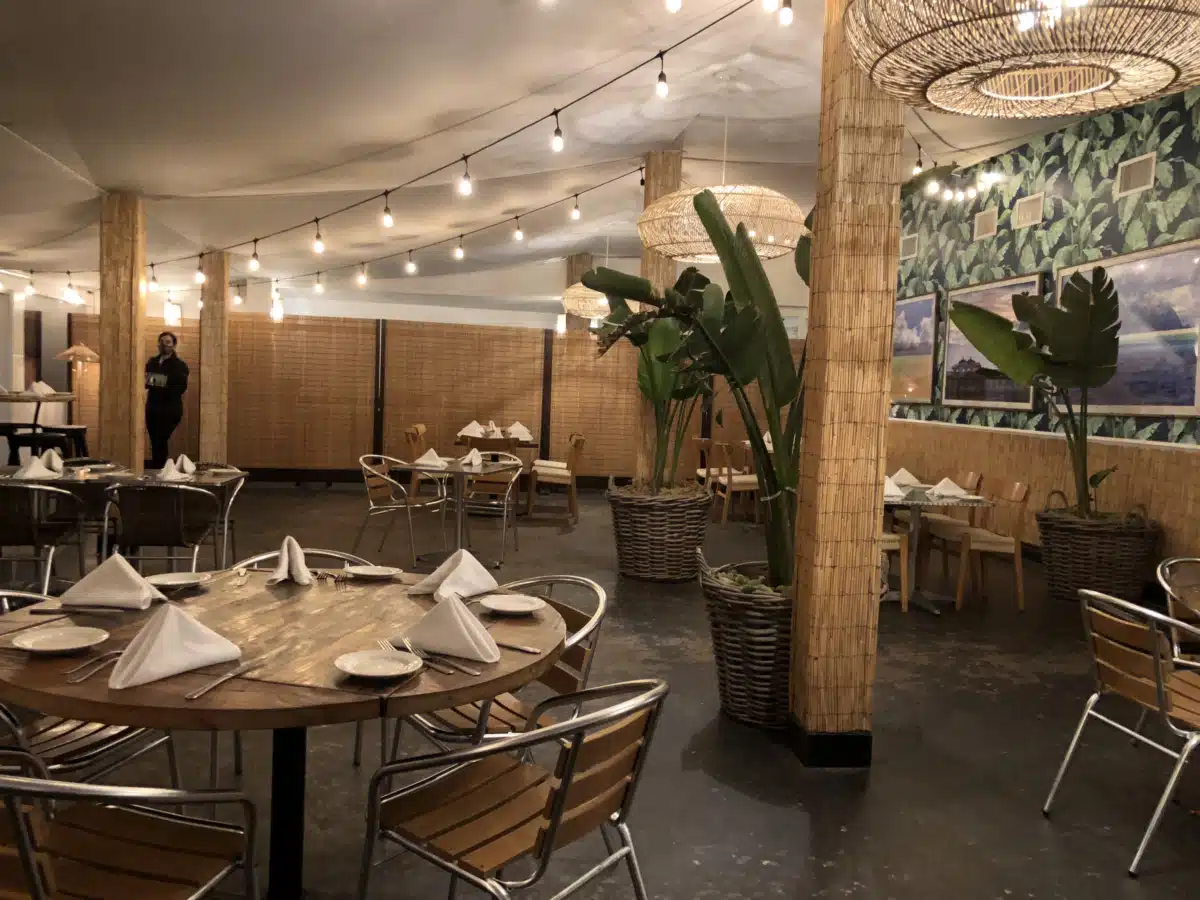
Nestled in the scenic beauty of Malibu, CA, Sunset Malibu is dedicated to providing a full range of rehabilitation services for adults and young adults facing substance use disorders alongside co-occurring mental health challenges. The facility offers comprehensive hospital inpatient detoxification and treatment, featuring specialized programs tailored for individuals who have encountered intimate partner violence. Emphasizing a blend of 12-step facilitation, anger management, and brief interventions, the center customizes its methods to address the distinct needs of every client. Catering specifically to adult men and women, Sunset Malibu fosters a supportive and gender-specific environment for recovery. With a strong commitment to delivering quality care, this center stands out as an excellent option for individuals seeking compassionate and effective addiction treatment.
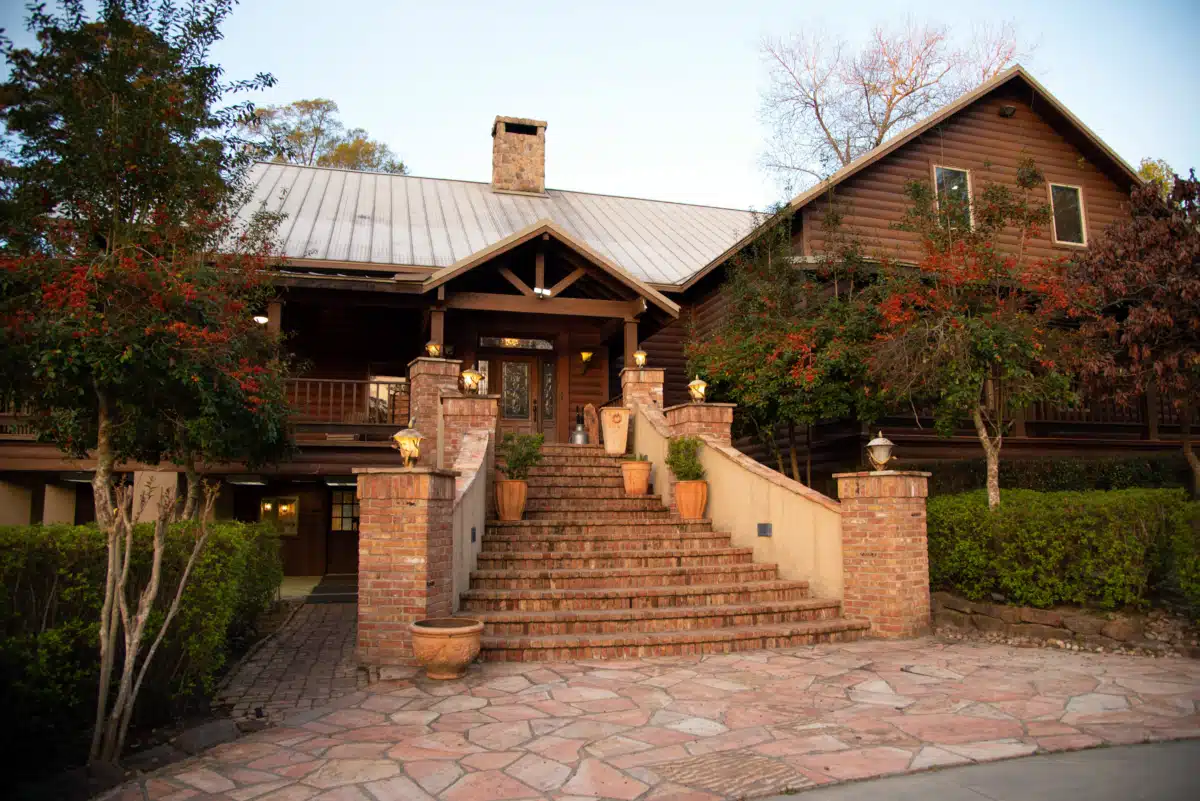
Cypress Lakes Lodge
Cypress Lakes Lodge, situated in Woodville, TX, provides a wide range of rehabilitation services designed for both adults and young adults facing challenges related to substance use and co-occurring mental health issues. The facility features hospital inpatient detoxification and treatment programs that integrate various therapeutic methods, including 12-step facilitation, anger management, and brief intervention techniques. With specialized programs targeting active duty military members, as well as adults of different genders, Cypress Lakes Lodge accommodates a variety of individuals. Their commitment to delivering high-quality care and crafting personalized treatment plans makes this facility a great option for anyone looking for effective and customized solutions for addiction treatment.
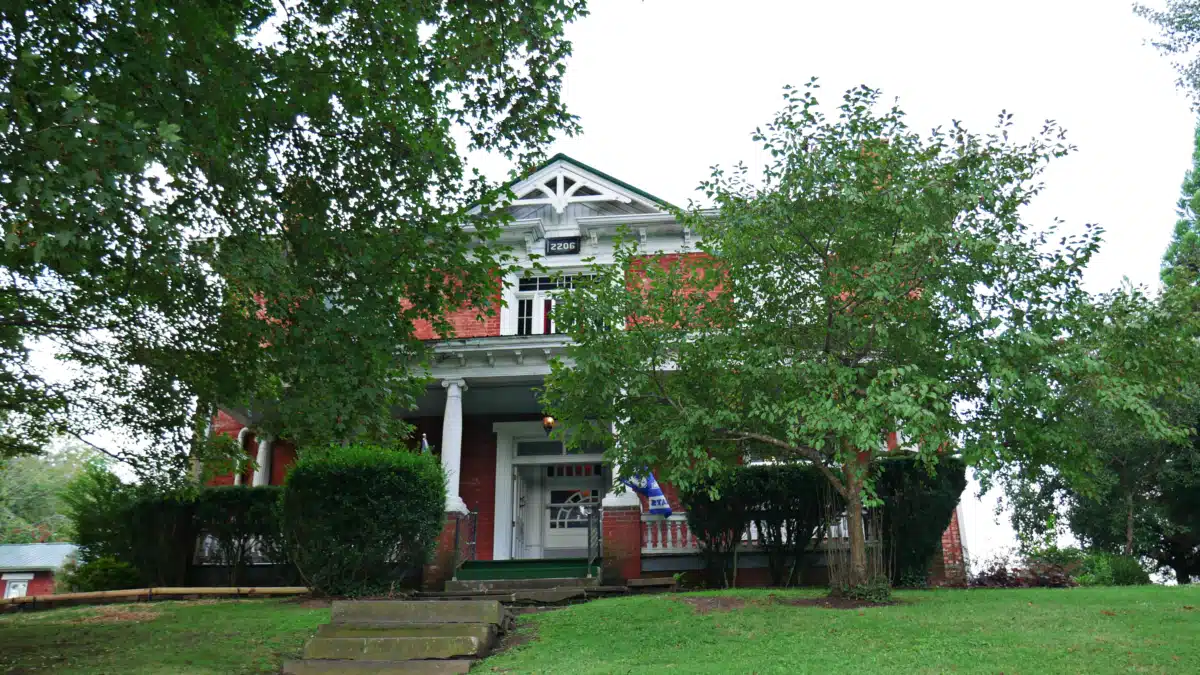
Addiction Recovery Care (ARC)
Addiction Recovery Care (ARC), situated in Louisa, KY, specializes in offering extensive substance use treatment specifically designed for adult women. The center features a variety of treatment options, which include intensive outpatient, long-term residential, and outpatient programs. Their methods incorporate 12-step facilitation, anger management, and brief interventions, all customized to meet the unique needs of each individual. With a strong emphasis on personalized care, ARC prioritizes high-quality treatment for a diverse range of clients including adults, seniors, and young adults. What sets ARC apart is its specialized programs and unwavering commitment to creating a nurturing environment conducive to recovery. If you’re looking for effective addiction treatment that embraces a unique, individualized approach, ARC is here to support you on your journey to long-lasting recovery.
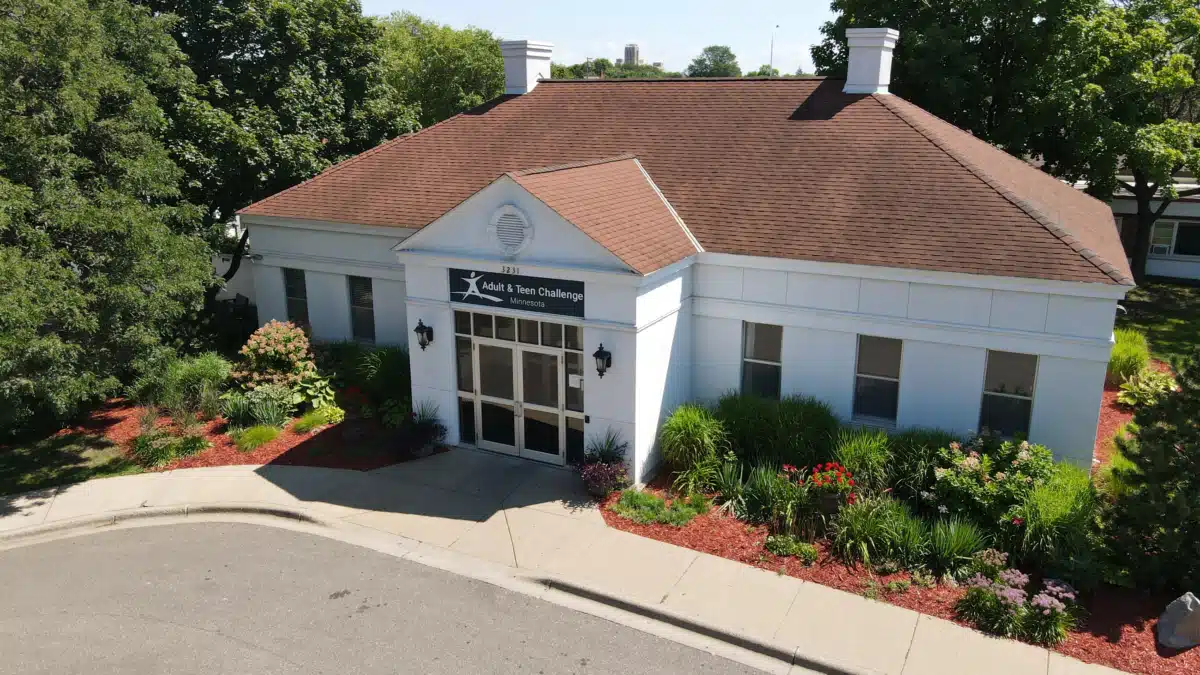
Minnesota Adult and Teen Challenge
Minnesota Adult and Teen Challenge, located in Minneapolis, MN, provides a wide array of addiction treatment services. This center offers detoxification and substance use treatment, along with specialized support for individuals facing both substance use disorders and serious mental health challenges, as well as emotional issues in children. The facility features residential detoxification, round-the-clock care, and short-term residential programs designed to meet the specific needs of each individual. By employing a variety of treatment methods—such as 12-step facilitation, anger management, and cognitive behavioral therapy—the center aims to offer a comprehensive recovery experience. There are also specialized programs available for adolescents, adult men, and adult women. Minnesota Adult and Teen Challenge focuses on delivering high-quality care and creating personalized treatment plans that address the unique circumstances of individuals across different age groups and genders.
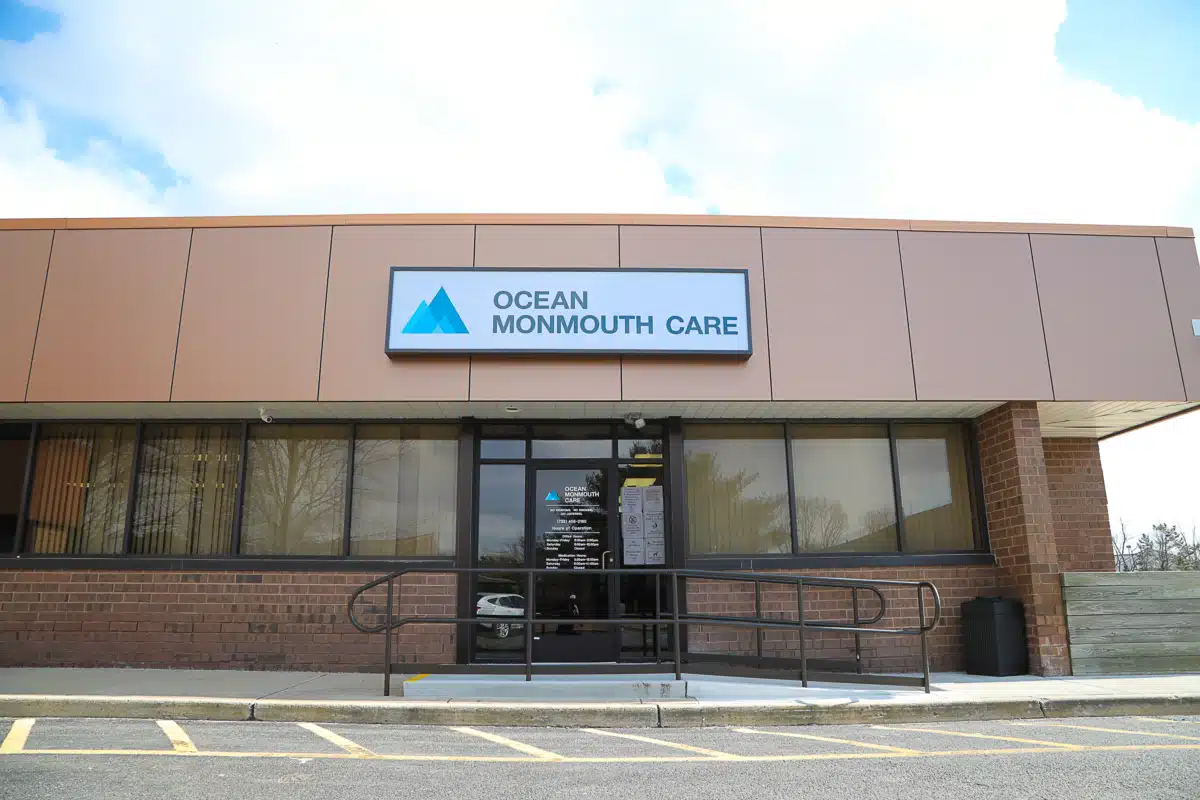
Ocean Monmouth Care LLC
Ocean Monmouth Care LLC, located in Brick, NJ, specializes in offering substance use treatment programs designed for both adults and young adults. This facility emphasizes intensive outpatient and outpatient services, utilizing evidence-based methods such as brief intervention, cognitive behavioral therapy, and contingency management. They have tailored programs available for active duty military personnel, as well as specific offerings for adult men and women, addressing a wide range of needs. The center provides outpatient treatment options that include methadone, buprenorphine, or naltrexone, ensuring a comprehensive approach to care. With a strong commitment to quality and personalized treatment, Ocean Monmouth Care LLC fosters a supportive environment for clients of all genders as they work towards recovery from substance use disorders.
Native Americans for Community Action
Nestled in Flagstaff, AZ, Native Americans for Community Action is dedicated to delivering thorough substance use treatment alongside specialized care for those facing co-occurring mental health issues. This facility features a range of programs, including intensive outpatient, outpatient, and regular outpatient treatment, designed for both adults and children/adolescents. To cater to the distinct needs of each individual, the center employs a variety of effective methods such as anger management, brief interventions, and cognitive behavioral therapy. With an emphasis on supporting clients who experience both mental and substance use disorders, the center provides personalized assistance tailored for both men and women. You can trust this facility to offer high-quality care and effective treatment, guiding you on your journey to recovery.
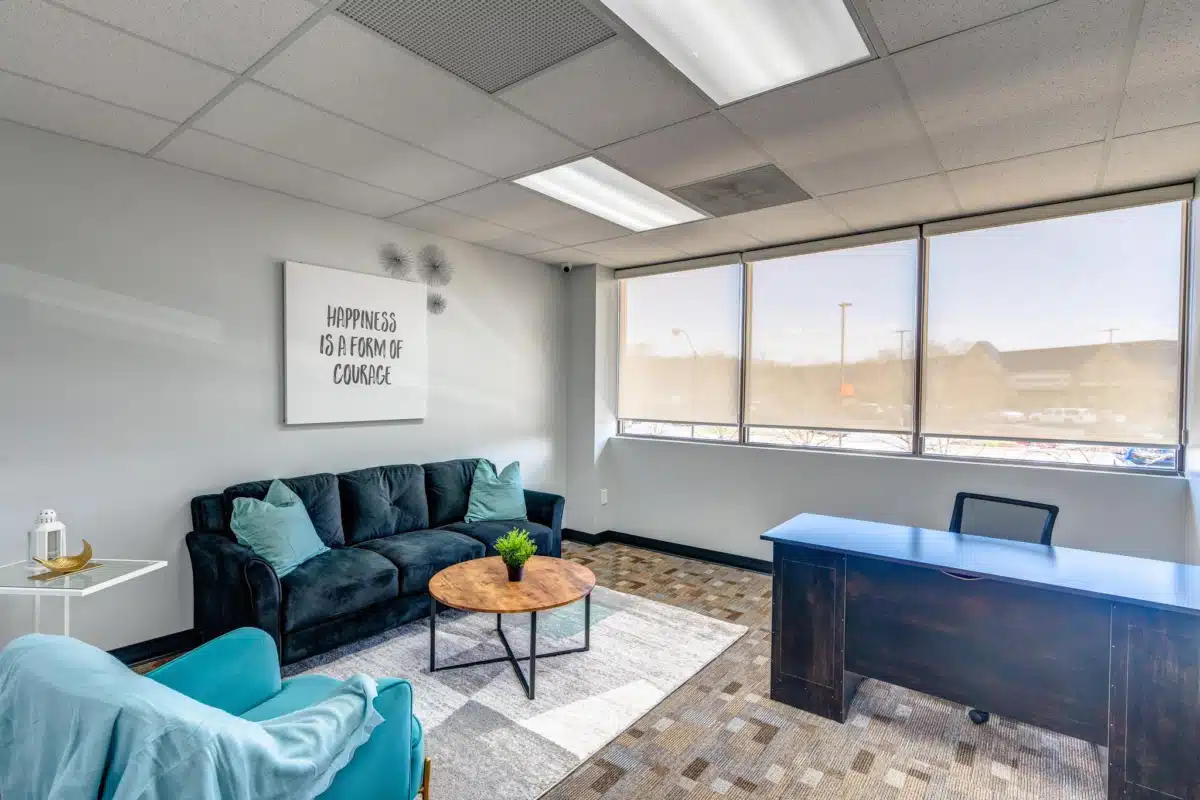
Evolve Residential LLC
Located in Millersville, MD, Evolve Residential LLC specializes in providing in-depth substance use treatment for adult men. The facility offers a variety of programs, including intensive outpatient, long-term residential, and outpatient options, all aimed at relapse prevention, counseling for substance use disorders, and telemedicine/telehealth therapy. Their expertise extends to addressing co-occurring substance use and significant mental health issues in adults, along with serious emotional challenges in children. Evolve Residential LLC serves a diverse clientele, including adults, seniors, and young adults, while maintaining a male-focused approach. They prioritize quality care and personalized treatment plans to foster recovery and overall wellness.

Icarus Behavioral Health
Icarus Behavioral Health, located in Rio Rancho, NM, specializes in comprehensive treatment for substance use and offers dedicated care for adults facing serious mental health challenges that often coexist with addiction. Their range of services includes long-term, short-term, and residential programs, all designed to create a nurturing environment conducive to recovery. The facility employs personalized strategies such as anger management, cognitive behavioral therapy, and short interventions to meet individual needs. Additionally, Icarus offers distinct programs tailored specifically for adult men, adult women, and those with co-occurring disorders, ensuring a wide spectrum of support. Catering to both adults and young adults across all genders, Icarus Behavioral Health is committed to delivering high-quality care that aids individuals in their pursuit of sobriety and improved mental health.
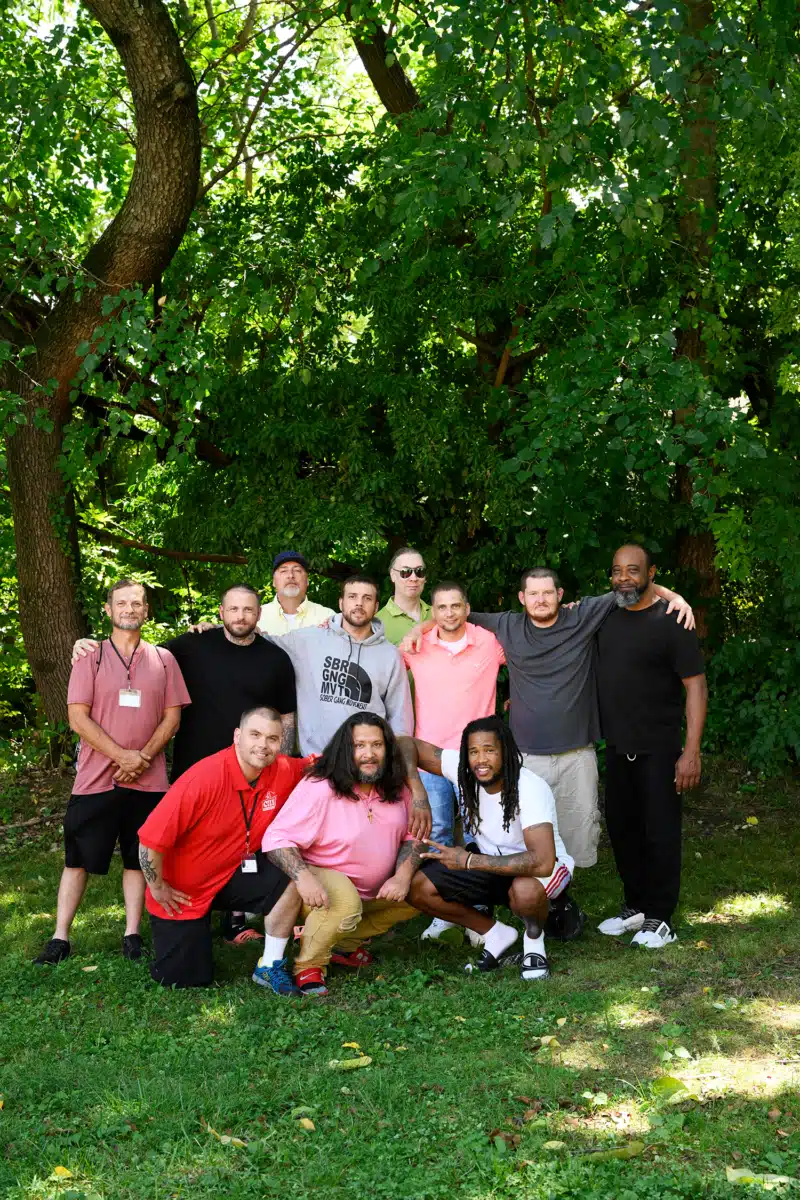
VOA Recovery
Situated in Louisville, KY, VOA Recovery provides a thorough substance use treatment program specifically designed for adult men. This facility is adept at addressing co-occurring substance use disorders alongside significant mental health issues in adults, as well as addressing serious emotional disturbances in children. Emphasizing both short-term and long-term residential options, VOA Recovery employs evidence-based methods such as 12-step facilitation, cognitive behavioral therapy, and the Matrix Model. They also offer specialized programs aimed at adult men, including those with experiences of intimate partner violence, domestic violence, and sexual abuse. Catering to a diverse range of clients—including adults, seniors, and young adults—this center is committed to delivering high-quality care that meets the unique needs of male individuals.

Fairfax Methadone Treatment Center
The Fairfax Methadone Treatment Center, located in Annandale, VA, provides a range of outpatient services, including methadone and buprenorphine treatments, as well as naltrexone treatment. It caters to both adults and young adults who are looking for support in overcoming substance use issues. At the center, clients can access various therapeutic options such as anger management, brief intervention, and cognitive behavioral therapy, all delivered in a way that is tailored to meet individual needs. This facility has specialized programs designed for both men and women, ensuring that everyone receives comprehensive care. With a strong commitment to quality and personalized treatment, the center stands out as a leading option for those in the Annandale area who are in search of effective and compassionate addiction recovery services.
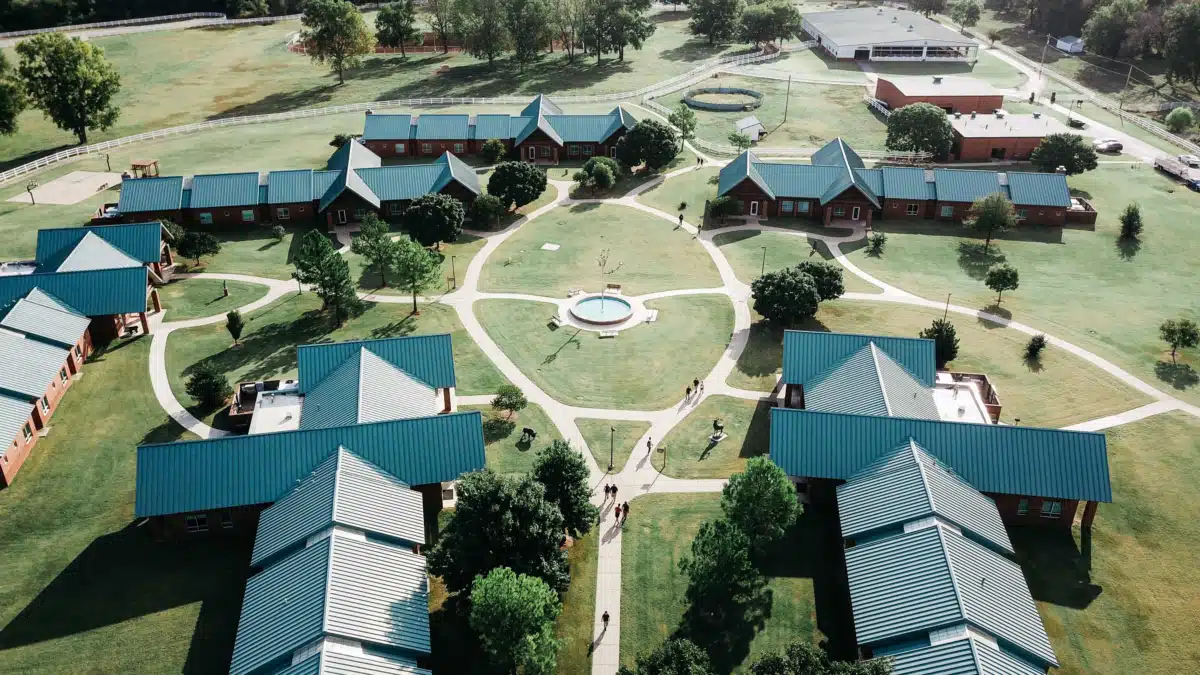
Tulsa Boys Home
Situated in Tulsa, OK, Tulsa Boys Home is dedicated to offering exceptional long-term residential treatment tailored for those dealing with substance use issues and co-occurring mental health disorders. This facility provides a thorough range of services for males of all ages, from adolescents to seniors. The program emphasizes key areas such as 12-step facilitation, anger management, and brief intervention, specifically assisting clients who have faced intimate partner violence, domestic violence, and sexual abuse. What truly sets Tulsa Boys Home apart is its focused approach to serving male clients, making it a specialized rehabilitation center committed to delivering both effective and compassionate care for individuals on their journey to recovery.
Hotel California by the Sea
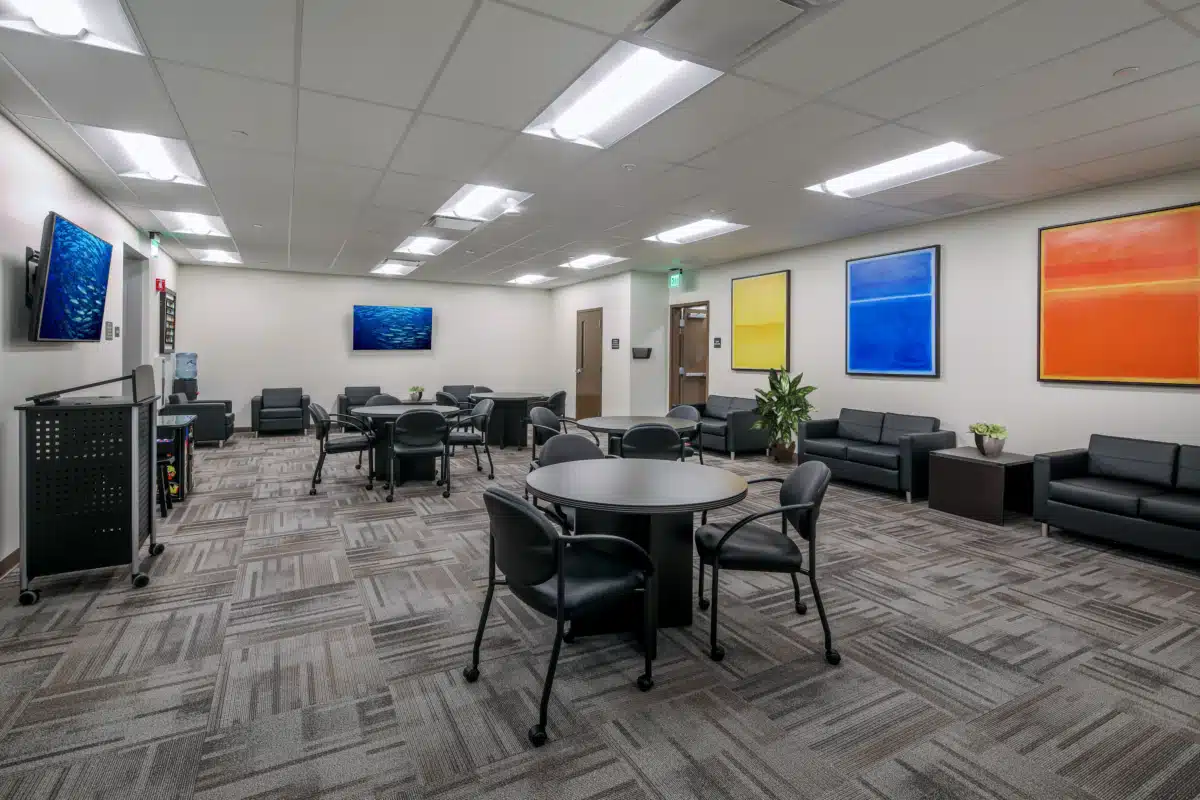
Hotel California by the Sea, located in Kirkland, WA, specializes in offering a wide array of rehabilitation services tailored for both adults and young adults dealing with substance use disorders, as well as co-occurring mental health challenges. The facility features dedicated programs for adult men, adult women, and those who have experienced intimate partner violence. Options here include long-term residential care, residential detoxification, and 24-hour residential treatment. The center employs evidence-based techniques such as 12-step facilitation, anger management, and cognitive behavioral therapy to provide personalized support to each individual. With an emphasis on quality care and customized treatment plans, Hotel California by the Sea is committed to helping clients navigate their paths to recovery.

AllHealth Network
AllHealth Network, based in Castle Rock, CO, provides outpatient substance use treatment for both adults and children facing co-occurring emotional challenges. Utilizing evidence-based methods such as cognitive behavioral therapy and motivational interviewing, this facility is well-equipped to meet diverse needs. They have a particular focus on supporting trauma survivors, individuals grappling with both mental health and substance use disorders, as well as adolescents. This center prioritizes personalized care for adults and seniors of all genders, ensuring that treatment plans are tailored to individual circumstances. Committed to delivering high-quality care, AllHealth Network offers a variety of specialized programs aimed at helping individuals achieve sustainable recovery and enhance their mental well-being.

Sundown M Ranch
Situated in Yakima, WA, Sundown M Ranch delivers a full spectrum of addiction treatment services for both adults and adolescents. The center specializes in various programs, including detoxification, intensive outpatient, regular outpatient, and 12-step facilitation. With an emphasis on cognitive behavioral therapy and contingency management, Sundown M Ranch serves adult men, adult women, and adolescents alike. Their specialized programs are designed to meet the distinct needs of each gender and age group, ensuring that everyone receives personalized care. At Sundown M Ranch, the commitment to high-quality, evidence-based treatment is paramount, providing essential support for individuals on their path to recovery.
Sandstone Care
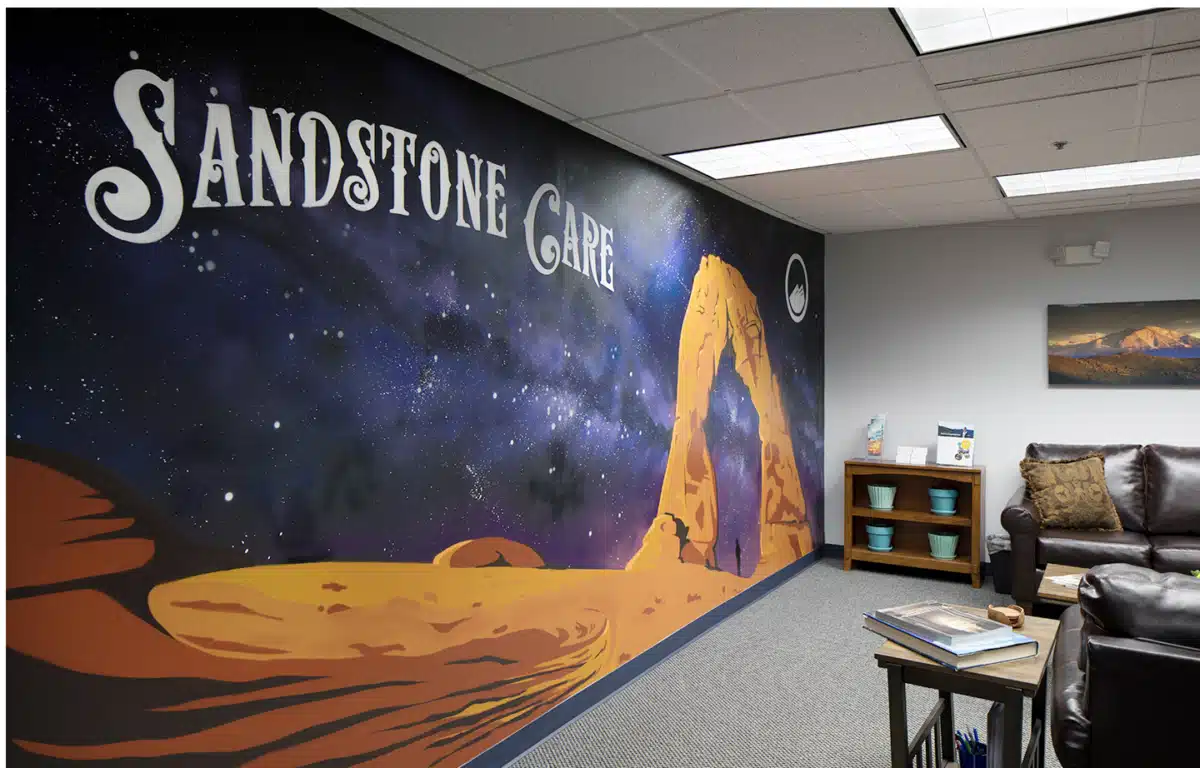
Situated in Denver, CO, Sandstone Care delivers a wide range of addiction treatment services geared towards both adults and adolescents. Their offerings include detoxification, substance use treatment, transitional housing, and sober living options. Sandstone Care emphasizes personalized care by providing intensive outpatient treatment, outpatient day treatment, and partial hospitalization. Their specialized programs are designed specifically for clients who have faced trauma, individuals dealing with co-occurring mental health and substance use disorders, and adolescents. The facility employs methods such as 12-step facilitation, anger management, and brief interventions, ensuring top-notch care for all clients, regardless of gender. Sandstone Care is committed to supporting individuals on their journey toward lasting recovery and healing.
About Gaming Addiction Treatment
Gaming addiction, now recognized by the World Health Organization as "Gaming Disorder," can significantly impact daily functioning, relationships, and mental health. At Penn Spine and Rehab, we help individuals find specialized treatment for problematic gaming and internet use.
Understanding Gaming Disorder
Gaming disorder is characterized by impaired control over gaming, increasing priority given to gaming over other activities, and continuation despite negative consequences. While not everyone who games excessively has a disorder, some individuals develop problematic patterns.
Signs of gaming addiction include:
- Preoccupation with gaming when not playing
- Withdrawal symptoms when gaming is reduced (irritability, anxiety, sadness)
- Tolerance—needing to spend more time gaming for satisfaction
- Inability to reduce gaming despite attempts
- Loss of interest in other activities
- Continued gaming despite problems in relationships, work, or school
Treatment Approaches
Effective treatment for gaming addiction typically includes:
- Cognitive Behavioral Therapy (CBT): Identifies triggers and develops healthier coping strategies
- Motivational Interviewing: Builds motivation for change
- Family Therapy: Addresses relationship impacts and establishes healthy boundaries
- Social Skills Training: Develops real-world social connections
- Activity Scheduling: Replacing gaming with fulfilling alternatives
Co-Occurring Conditions
Gaming addiction often occurs alongside depression, anxiety, ADHD, or other conditions. Dual diagnosis treatment can address all conditions together. Programs range from outpatient therapy to residential programs for severe cases.
Causes & Risk Factors for Gaming Addiction
Gaming Addiction develops through a combination of genetic, environmental, and psychological factors. Understanding these risk factors can help identify who may be vulnerable and support early intervention.
- •Game design mechanics — variable reward schedules, loot boxes, and social obligations that maximize engagement
- •Escapism from real-world problems, social anxiety, depression, or loneliness
- •Social connection — online games provide belonging and identity for socially isolated individuals
- •ADHD and executive function deficits making impulse control and time management difficult
- •Dopamine reward loops — games provide frequent small rewards that activate addiction pathways
- •Lack of alternative activities, social connections, or purpose
- •Cultural factors — gaming normalization and esports aspirations
Gaming Addiction Statistics
Of gamers worldwide meet criteria for gaming disorder
Source: WHO
Of US youth gamers show signs of pathological gaming
Source: AAP
People worldwide play video games — the vast majority without problems
Source: ESA
Average daily gaming time reported by people seeking treatment
Source: WHO
Of gaming disorder patients have co-occurring depression or anxiety
Source: WHO
Of treatment cases also involve other screen-related behavioral issues
Source: APA
Co-Occurring Conditions
Gaming Addiction frequently occurs alongside other mental health and substance use conditions. Integrated dual diagnosis treatment addresses all conditions simultaneously for better outcomes.
What to Expect in Gaming Addiction Treatment
Assessment (Days 1-3)
Gaming behavior evaluation: hours, types of games, triggers, consequences. Screen for ADHD, depression, anxiety, social isolation. Determine if outpatient or residential treatment is appropriate.
Digital Detox (Weeks 1-2)
Structured break from gaming (and often all recreational screens). This reveals underlying emotions and conditions previously masked by gaming. Begin building non-digital daily routine.
Therapy & Skill Building (Weeks 2-8)
CBT targeting gaming-related thought patterns. Social skills training. Time management and goal setting. Develop alternative hobbies and activities. Address underlying mental health conditions.
Managed Reintroduction (Weeks 8-12)
Gradual, structured reintroduction of technology with boundaries. Learn to recognize warning signs of escalation. Family contracts around gaming use. Career/academic planning.
Continuing Support (Ongoing)
Ongoing therapy as needed. Monitoring of gaming behavior. Continued development of real-world social connections and activities. Family involvement in maintaining healthy boundaries.
Frequently Asked Questions About Gaming Addiction Treatment
Resources & Sources
The information on this page is based on peer-reviewed research and authoritative health organizations. Always consult a healthcare professional for medical advice.
- Gaming Disorder — WHO
- Internet Gaming Disorder — APA
- Screen Time and Children — AAP
Medical Disclaimer: This content is for informational purposes only and does not constitute medical advice. Always seek the guidance of a qualified healthcare provider for diagnosis and treatment. If you or someone you know is in crisis, call 911 or the SAMHSA National Helpline at 1-800-662-4357 (free, confidential, 24/7).