Stimulant Addiction Rehab Centers
Stimulant addiction treatment primarily relies on behavioral interventions and intensive therapy, as no FDA-approved medications currently exist for stimulant use disorders. Programs focus on cognitive-behavioral approaches, contingency management, and building healthy coping mechanisms for cocaine, methamphetamine, and other stimulant addictions.
Found 8,160 rehab centers specializing in stimulant addiction across the United States.
Need Help Finding the Right Treatment?
Browse our directory or call to discuss treatment options.
Showing 20 of 8160 stimulant addiction rehab centers
Recovery From Addictions Program
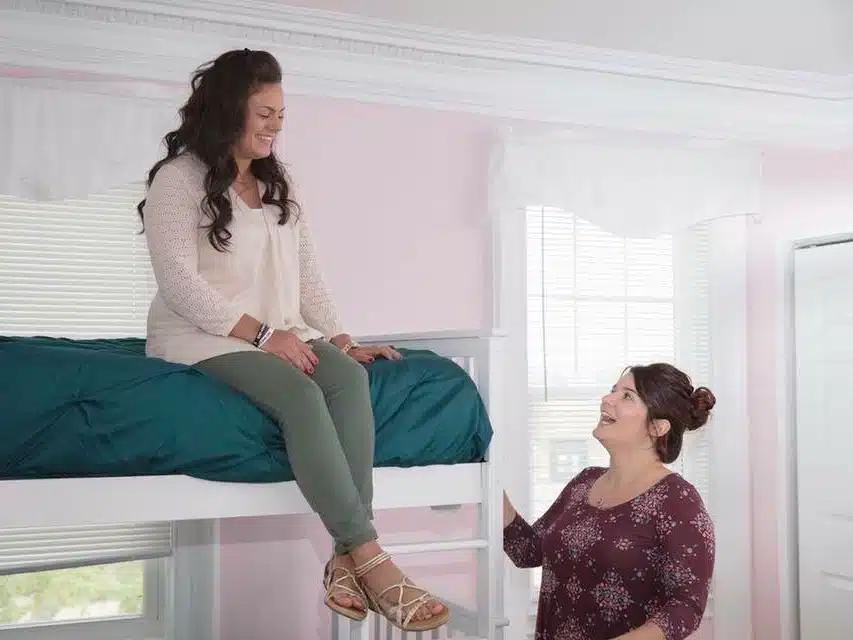
Situated in Taunton, MA, the "Recovery From Addictions Program" offers a diverse array of services dedicated to those looking to overcome substance use disorders. This facility features long-term residential programs, residential detoxification, and around-the-clock residential treatment options for adult men and women, as well as young adults. The center has a particular expertise in addressing co-occurring substance use disorders and serious mental health issues in adults, in addition to serious emotional challenges faced by children. Emphasizing techniques like 12-step facilitation, anger management, and brief intervention strategies, the program is well-equipped to assist clients who have endured trauma. The center is committed to providing high-quality care and comprehensive support for individuals navigating their recovery journey.
Will Work for Recovery
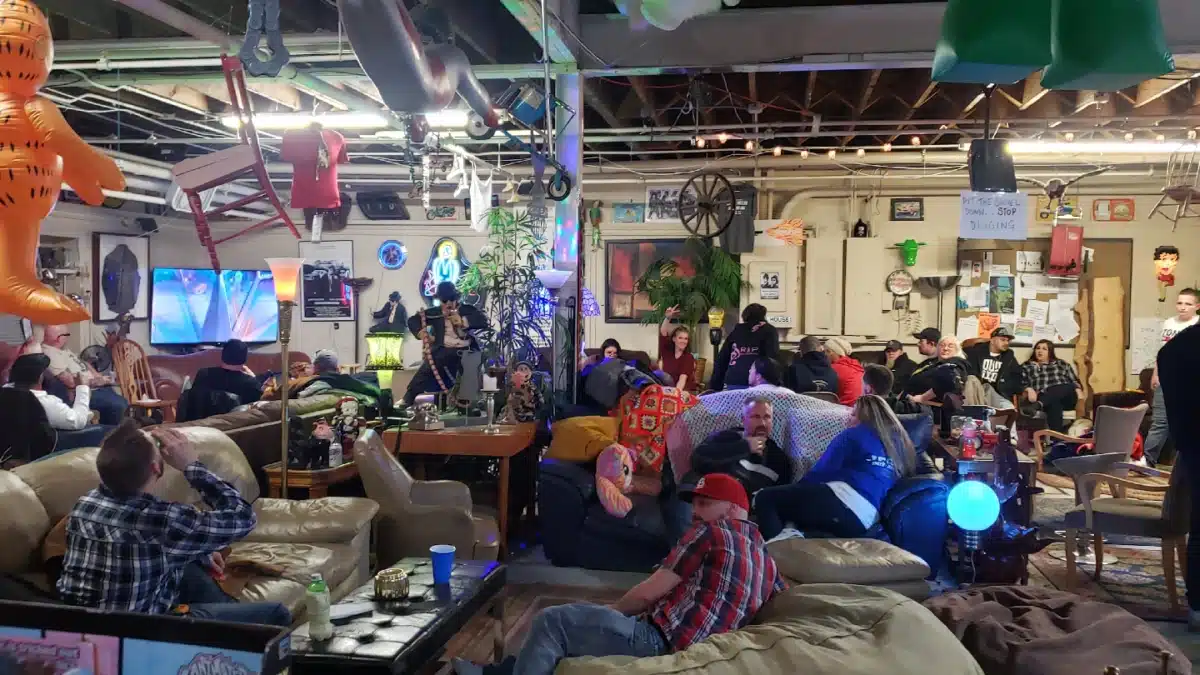
"Will Work for Recovery," based in Minneapolis, MN, provides outpatient treatment for adults and seniors dealing with substance use issues. This center is well-versed in 12-step facilitation, anger management, and various brief intervention strategies. They offer specially designed programs catering to adult men, adult women, and clients recovering from trauma, ensuring individualized support that addresses a range of needs. Welcoming both male and female clients, the facility fosters a nurturing atmosphere for everyone. Dedicated to high-quality rehabilitation services, "Will Work for Recovery" distinguishes itself through its extensive treatment options and emphasis on personalized recovery paths.

Positive Recovery LLC
Situated in Humble, TX, Positive Recovery LLC delivers a wide range of substance use treatment options for both adults and young adults. Their offerings include intensive outpatient treatment, standard outpatient services, and outpatient day treatment/partial hospitalization programs. The center emphasizes a personalized approach to treatment, utilizing techniques such as 12-step facilitation, brief intervention, and cognitive behavioral therapy. They also have specialized programs designed for adult men, women, and individuals who have faced trauma. By catering to both male and female clients, Positive Recovery LLC is committed to providing high-quality care and support for those in search of effective and tailored rehabilitation services.
Heroes Mile
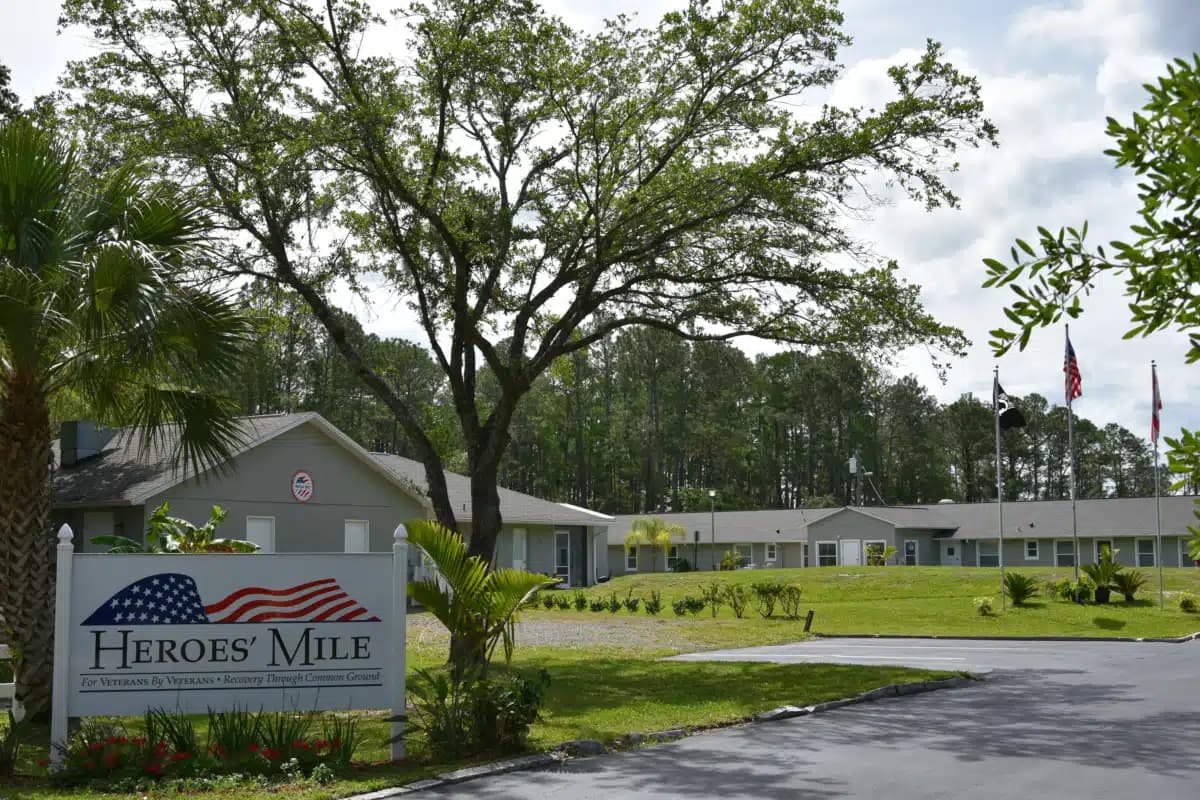
Heroes Mile, situated in Deland, FL, stands out as a leading rehabilitation center dedicated to helping adults and young adults deal with substance use issues and concurrent mental health disorders. The center offers a range of services, including long-term residential treatment, residential detoxification, and round-the-clock care, all grounded in evidence-based methods such as 12-step facilitation, anger management, and brief intervention techniques. Particularly focused on supporting active duty military personnel and veterans, Heroes Mile provides customized assistance that addresses their specific requirements. The facility boasts specialized programs for both men and women, ensuring that each client receives personalized care aimed at fostering enduring recovery and overall well-being.
Roots Counseling Services LLC
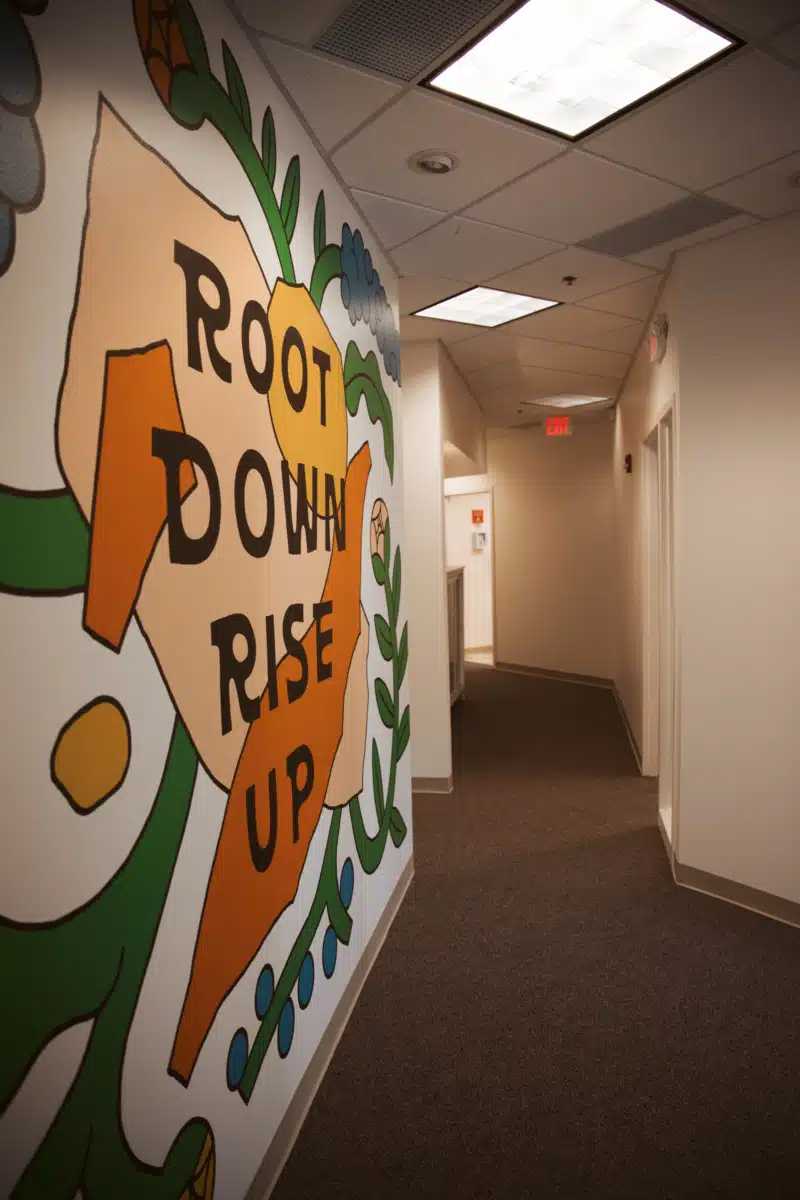
Roots Counseling Services LLC, located in Milwaukee, WI, specializes in providing substance use treatment for both adults and young adults. The center features a variety of treatment options, such as intensive outpatient treatment, outpatient services, and outpatient day treatment or partial hospitalization. With a commitment to personalized care, Roots Counseling Services incorporates methods like 12-step facilitation, anger management, and brief intervention strategies. What sets this facility apart is its customized programs designed for both male and female clients. Individuals can look forward to receiving high-quality care and tailored support as they navigate their recovery journey.
WhiteSands Alcohol and Drug Rehab
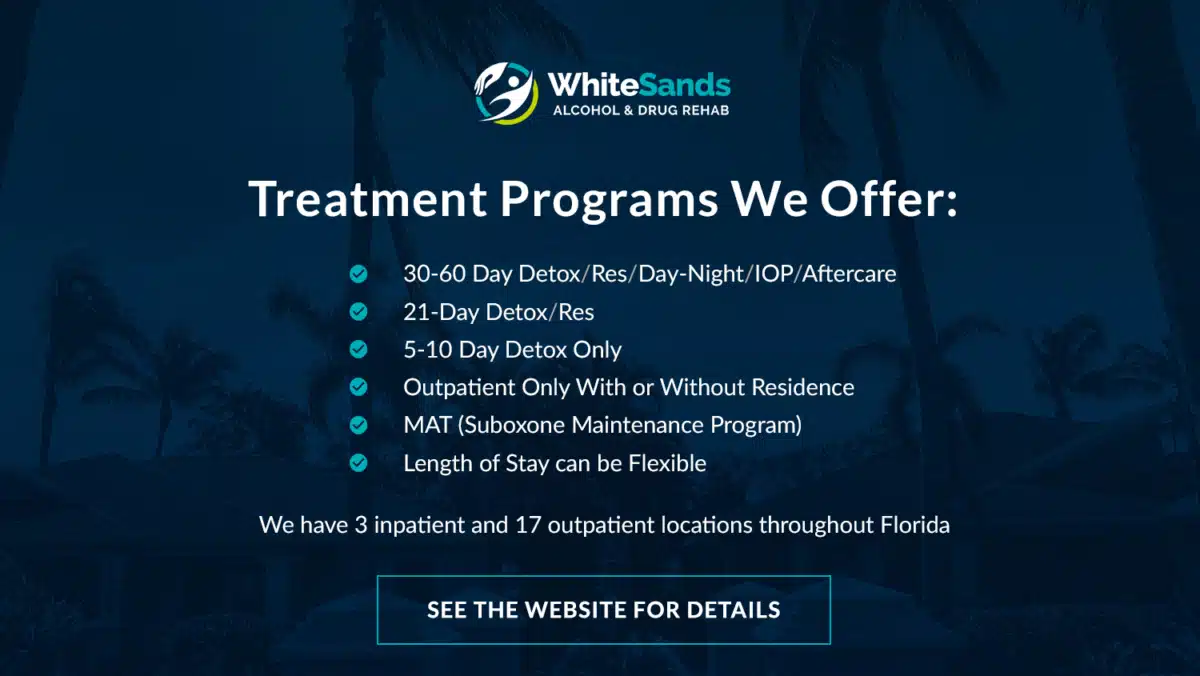
Located in Plant City, FL, WhiteSands Alcohol and Drug Rehab is dedicated to providing a wide range of treatment options for those battling substance use disorders alongside co-occurring mental health issues. The facility offers several services, including detoxification, intensive outpatient treatment, long-term residential care, and general outpatient support. Utilizing various methods such as 12-step facilitation, anger management techniques, and brief interventions, WhiteSands creates customized treatment plans that cater to the specific needs of each person. The center features specialized programs designed for active duty military members, as well as distinct options for adult men and women. Welcoming individuals of all ages and genders, including young adults, WhiteSands is well-regarded for its commitment to quality care and its personalized approach. The facility is truly focused on guiding individuals toward lasting recovery and overall wellness.
Burning Tree Recovery Ranch
Burning Tree Recovery Ranch, situated in Kaufman, TX, delivers extensive long-term residential treatment for individuals dealing with substance use issues alongside serious mental health disorders. The facility is dedicated to providing specialized programs tailored for both adult men and women, including those who have faced intimate partner violence. Emphasizing a 12-step facilitation approach, anger management, and brief interventions, Burning Tree caters to adults and young adults in need of comprehensive and gender-sensitive support. Their residential services, which operate 24 hours a day, ensure that clients receive continuous assistance. What sets Burning Tree Recovery Ranch apart is its customized approach to addressing substance use disorders and mental health challenges, assuring high-quality care for everyone who seeks help.

YMCA of Honolulu
Situated in Waipahu, HI, the YMCA of Honolulu presents an extensive substance use treatment program specifically designed for children and adolescents. This center features multiple treatment formats, such as intensive outpatient treatment, outpatient care, and regular outpatient options. It emphasizes techniques like anger management, brief interventions, and motivational interviewing to customize its approach for each individual. With a specialization in adolescent programs, the facility is open to both young men and women who are seeking high-quality care in a nurturing setting. If you're looking for effective substance use treatment in Honolulu, this center provides a variety of services aimed at fostering lasting recovery.
Diversus Health
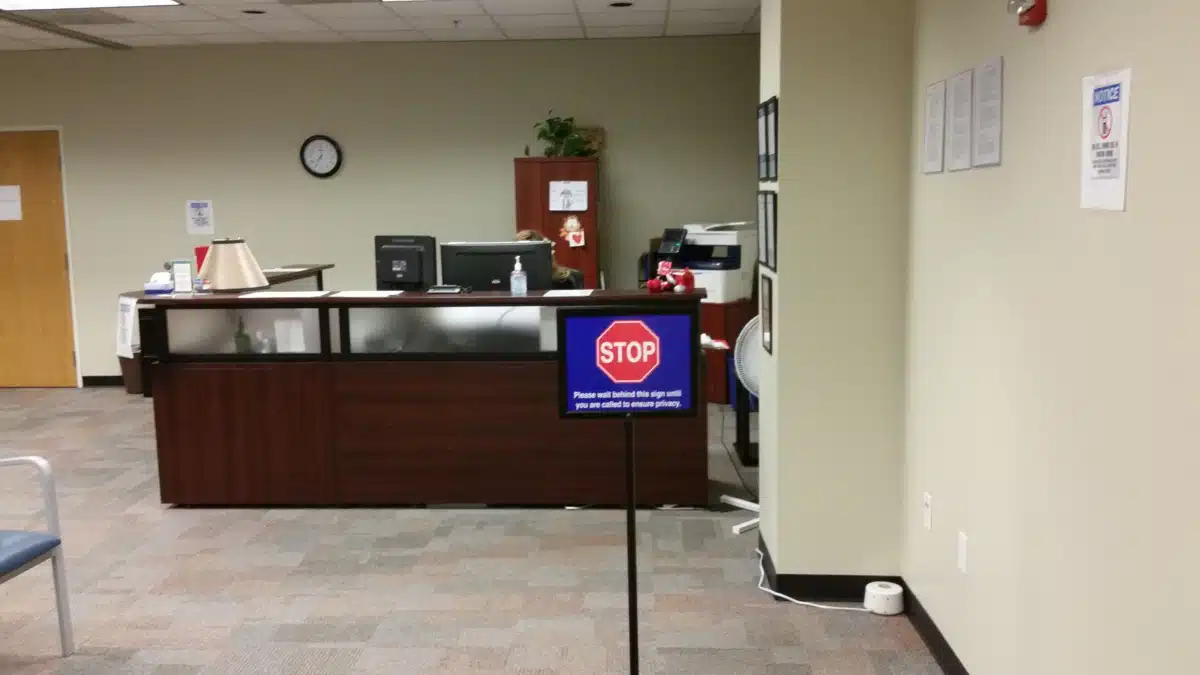
Diversus Health is situated in Colorado Springs, CO, and specializes in outpatient treatment for substance use, alongside dedicated care for adults grappling with serious mental health issues that occur simultaneously. The center offers outpatient options such as methadone, buprenorphine, or naltrexone treatments, in addition to regular therapy sessions. Their methods include anger management, cognitive behavioral therapy, and the Matrix Model, ensuring a well-rounded approach to recovery. With programs specifically designed for adolescents as well as adult men and women, Diversus Health addresses the individual needs of each person who seeks help. The facility is dedicated to providing high-quality, all-inclusive care to adult clients of all genders, fostering enduring recovery and overall well-being.
Sobrius Curae
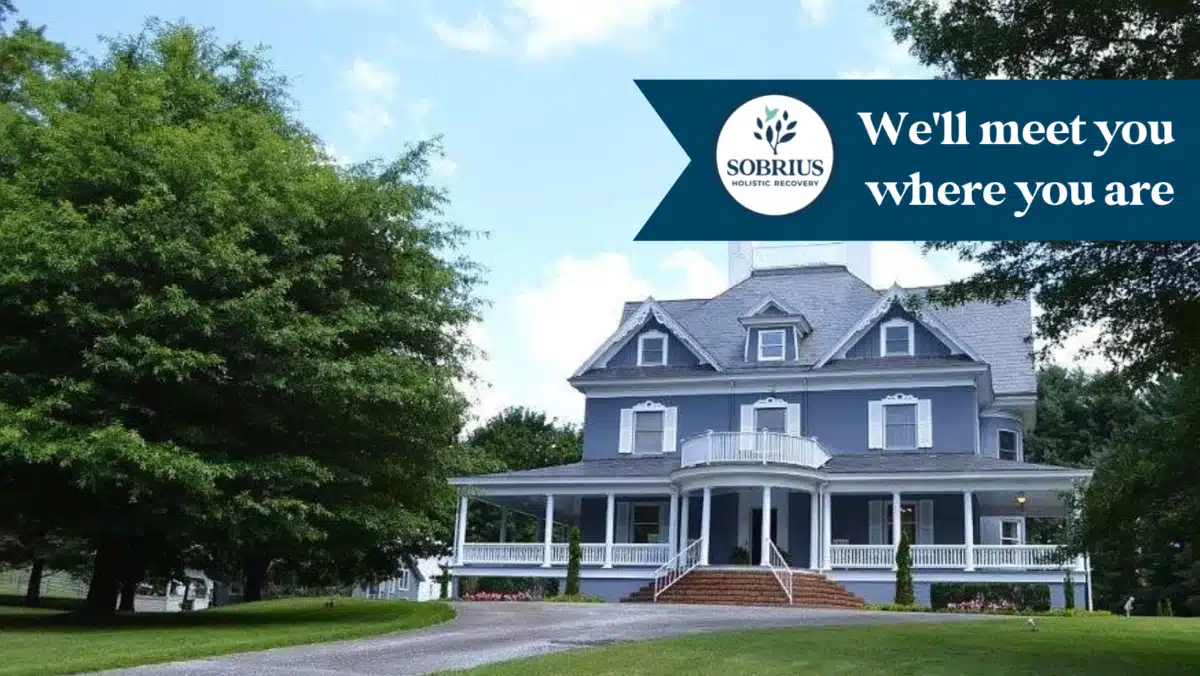
Sobrius Curae, situated in Galax, VA, offers a wide range of outpatient treatment options for those dealing with substance use issues. Their specialized programs are designed specifically for individuals facing both substance use disorders and serious mental health challenges. The facility provides various services, including outpatient day treatment, partial hospitalization, and traditional outpatient care. Using evidence-based methods, Sobrius Curae incorporates strategies like 12-step facilitation, anger management, and contingency management with motivational incentives into their treatment. What sets them apart is their commitment to creating customized programs for active duty military personnel as well as adult men and women. Catering to both adults and young adults of all genders, the center is dedicated to delivering high-quality care that supports individuals on their journey to recovery.
Huntingdon Valley Comp Trt Center
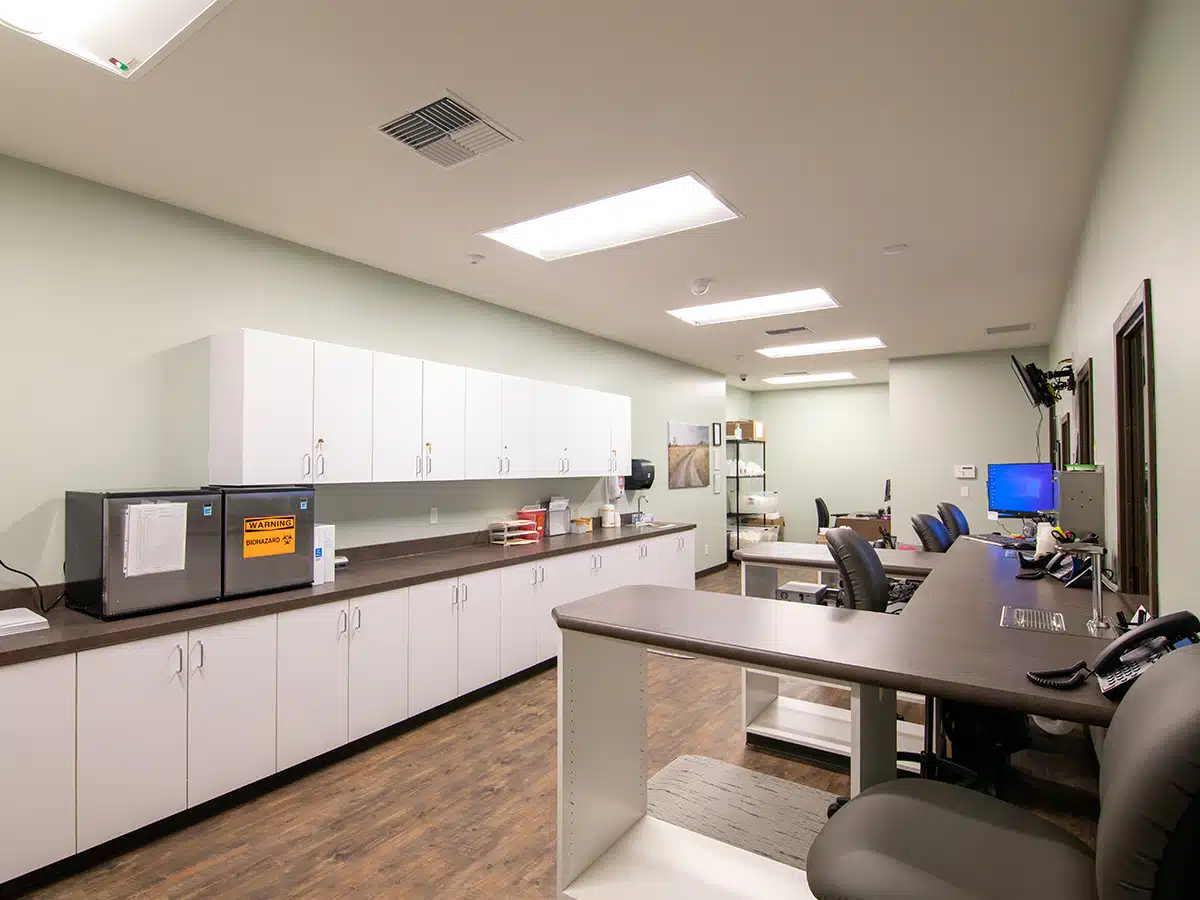
Located in Huntingdon Valley, PA, the Huntingdon Valley Comp Treatment Center provides a range of services including outpatient detoxification, treatment for substance use, and options for methadone, buprenorphine, or naltrexone therapies. Their offerings encompass programs such as anger management, cognitive behavioral therapy, and motivational interviewing. This facility is designed to support adult men and women, including those who have faced intimate partner or domestic violence. Catering to both adults and young adults across genders, the center emphasizes specialized care in a friendly atmosphere. By focusing on evidence-based practices, they are dedicated to delivering high-quality treatment for individuals seeking recovery from substance use disorders.

New Vista
Situated in Lexington, KY, New Vista provides a wide range of substance use treatment options alongside specialized care for adults dealing with co-occurring substance use disorders and serious mental health issues, as well as children facing serious emotional disturbances. The services offered include intensive outpatient, long-term residential, and outpatient programs, which incorporate methods such as 12-step facilitation, brief intervention, and cognitive behavioral therapy. This facility designs custom programs specifically for adult men, adult women, and clients who have encountered sexual abuse, accommodating individuals of all genders, including both adults and young adults. With a focus on evidence-based practices and personalized care, New Vista aims to deliver top-notch treatment for those on their journey to recovery.
Plymouth House
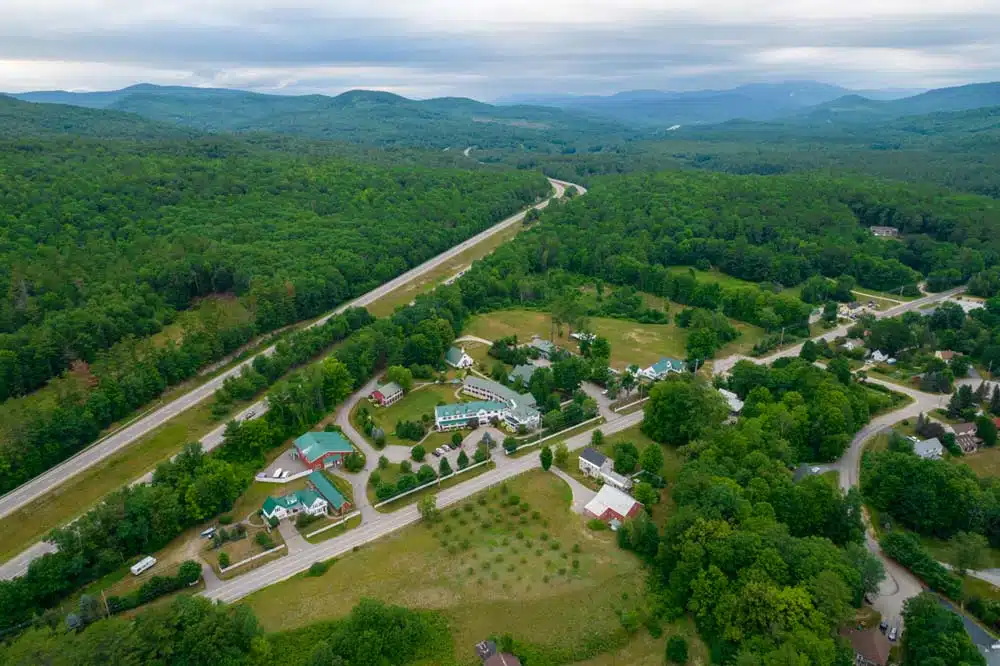
Plymouth House, situated in Plymouth, NH, offers a wide range of substance use treatment services for both adults and young adults. The center features outpatient services, day treatment, and partial hospitalization programs, with options for outpatient methadone/buprenorphine and naltrexone treatment available as well. Drawing on methodologies like 12-step facilitation, anger management, and brief interventions, Plymouth House serves adult men and women, including those who have faced intimate partner violence or domestic violence. The facility provides specialized programs designed for various age groups and genders, ensuring that each individual receives the personalized care and support they need on their road to recovery.
Intermountain
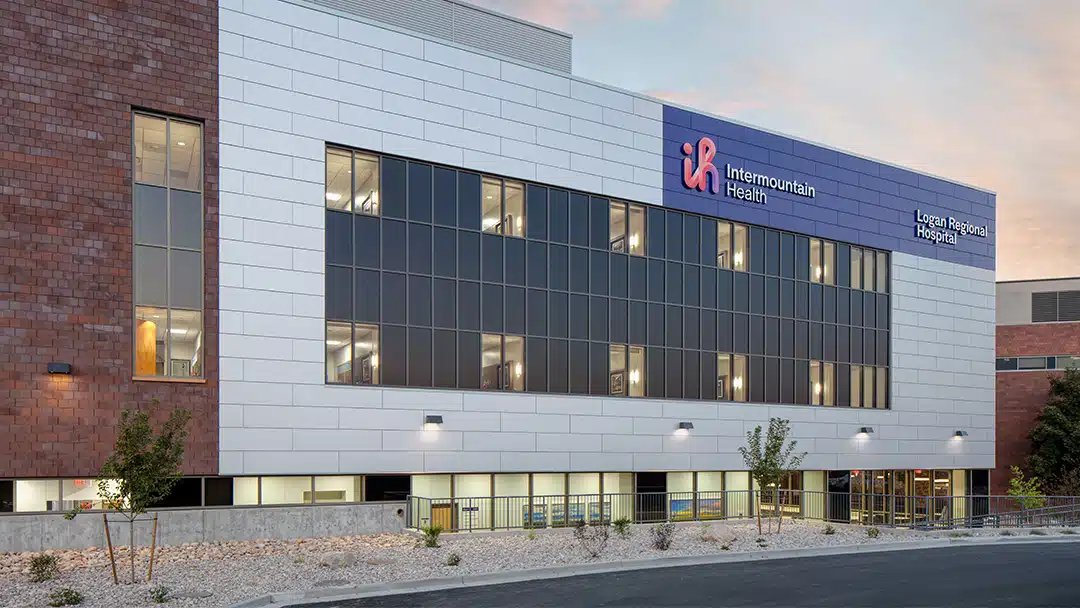
Intermountain, based in Logan, UT, provides a wide range of substance use treatment options for both adults and seniors. Their offerings encompass intensive outpatient programs, outpatient care, and treatment options like methadone/buprenorphine or naltrexone. The center is known for its expertise in 12-step facilitation, anger management, and brief intervention techniques. Intermountain is dedicated to delivering personalized care for adult men and women, as well as clients who are dealing with co-occurring mental health and substance use disorders. By emphasizing individualized treatment, this facility guarantees high-quality care for all patients on their journey to recovery from addiction.
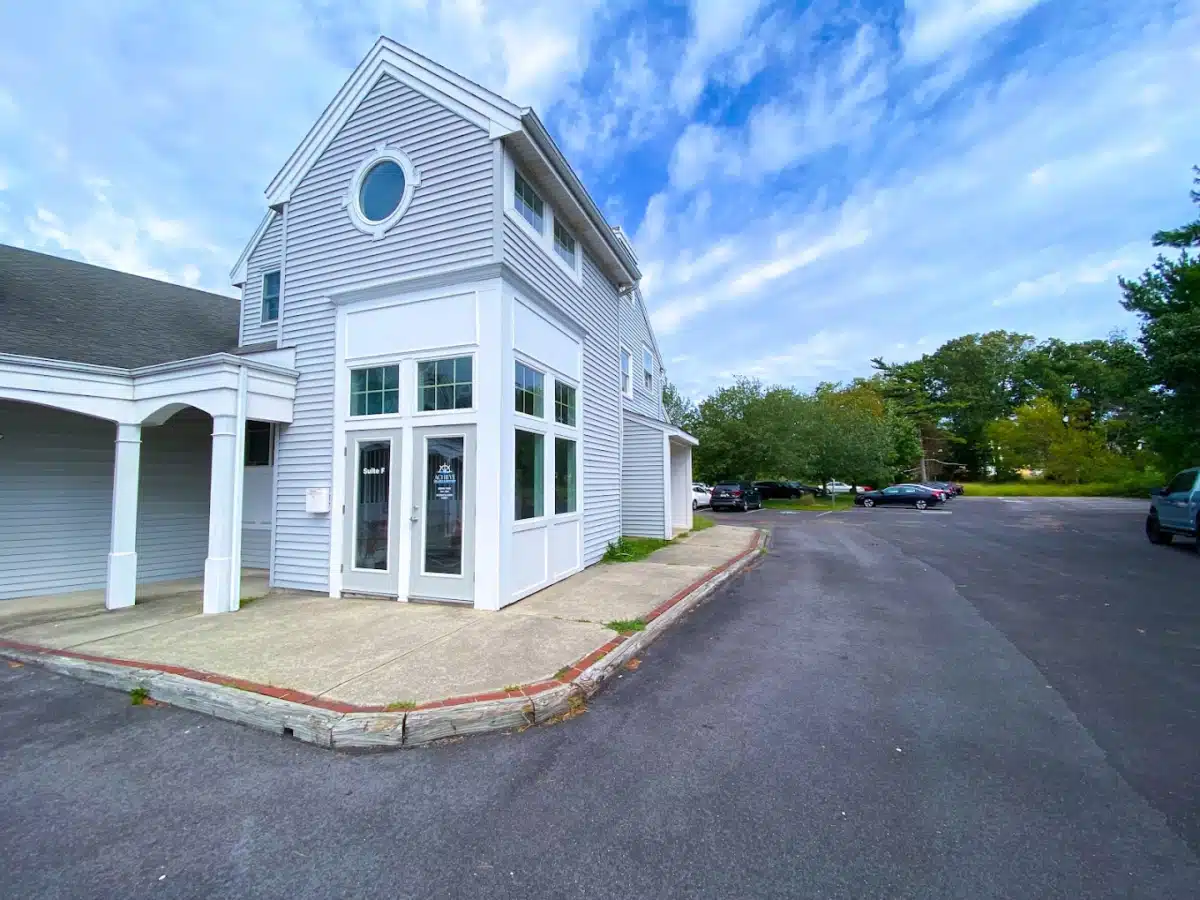
Achieve Wellness and Recovery
Achieve Wellness and Recovery, situated in Northfield, NJ, offers a wide range of substance use treatment services for both adults and young adults. The center specializes in intensive outpatient care, general outpatient services, and outpatient day treatment, placing a strong emphasis on cognitive behavioral therapy, motivational interviewing, and techniques aimed at preventing relapse. What truly distinguishes this facility is its personalized approach to care, crafting treatment plans that are specially designed to address each client's individual needs. Achieve Wellness and Recovery is open to all clients, regardless of gender, fostering a welcoming and inclusive atmosphere for individuals on their journey toward lasting recovery.
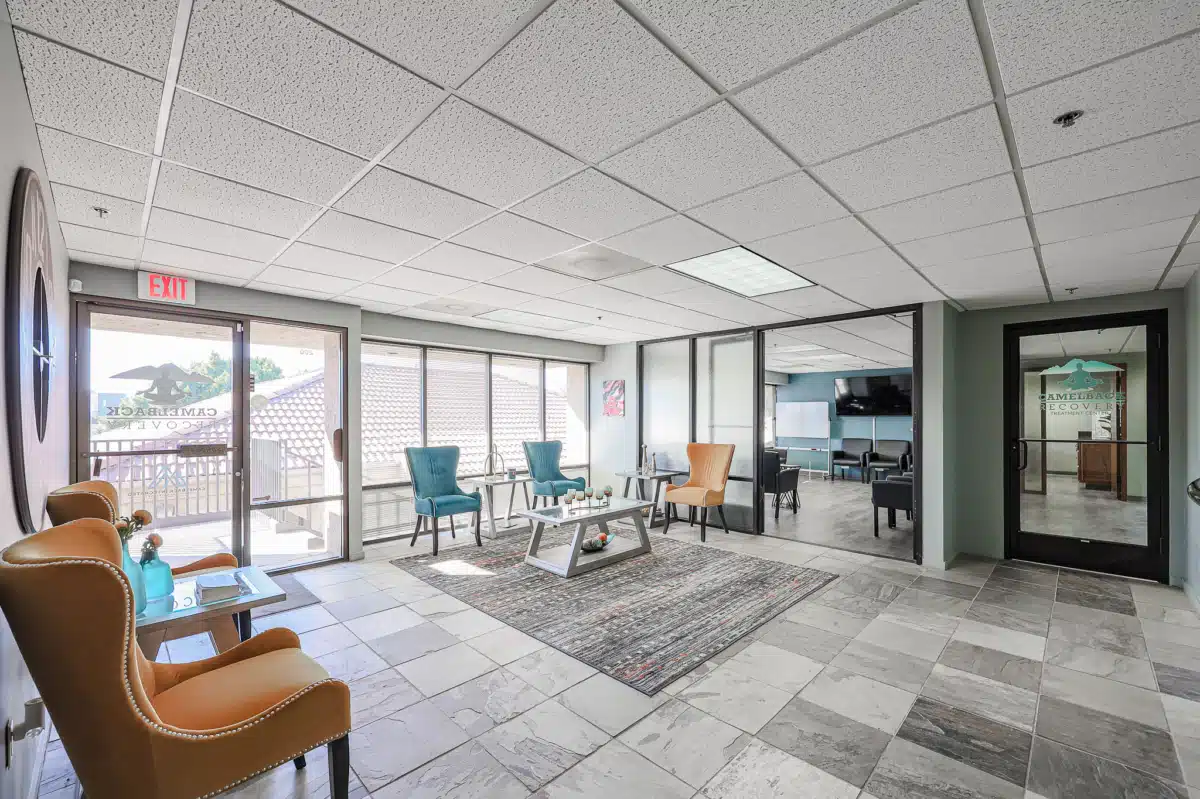
Camelback Recovery Treatment Center
Camelback Recovery Treatment Center, located in Phoenix, AZ, provides a wide range of addiction treatment services designed for both adults and young adults. This center specializes in detoxification, substance use treatment, and offers targeted care for individuals facing co-occurring mental health disorders. Their programs encompass intensive outpatient treatment, outpatient day treatment, and partial hospitalization, ensuring that a variety of needs are met. With an emphasis on 12-step facilitation, anger management, and brief intervention, Camelback Recovery customizes treatment plans to align with each client's unique needs. What truly sets this facility apart are its specialized services for clients who have encountered trauma, as well as those dealing with co-occurring disorders. Camelback Recovery Treatment Center is committed to delivering high-quality care to both male and female clients who are on their journey to recovery.
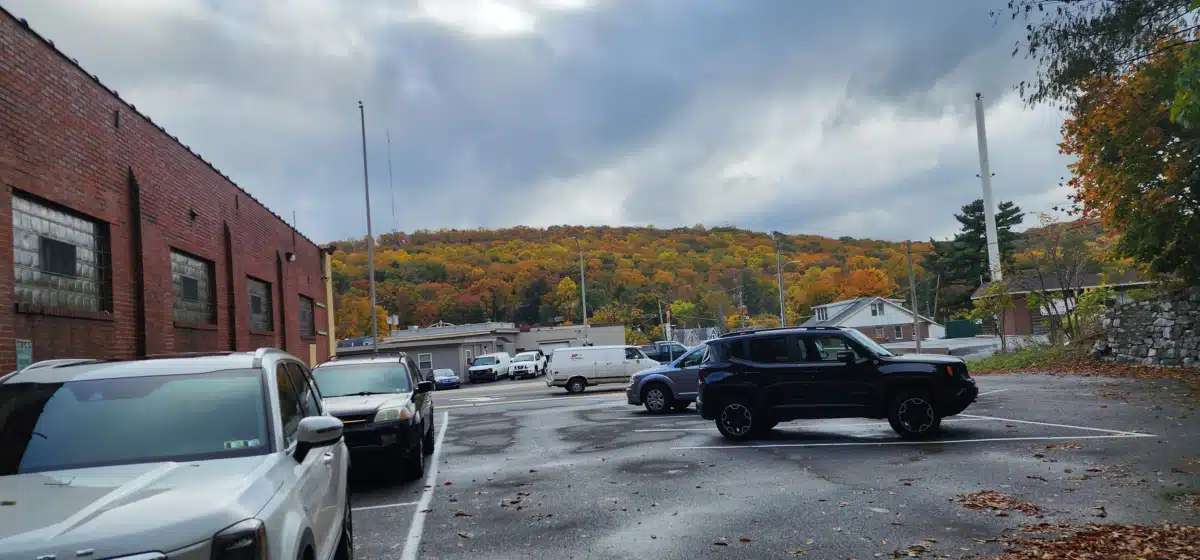
Transitions By CareSense
Transitions By CareSense, located in Reading, PA, provides specialized treatment for substance use through a variety of programs designed to address individual needs. This facility offers several options, including intensive outpatient treatment, standard outpatient services, and outpatient day treatment, commonly referred to as partial hospitalization. With an emphasis on methods such as 12-step facilitation, brief intervention, and cognitive behavioral therapy, the center supports active duty military personnel, adult men and women, as well as young adults. It welcomes both male and female clients, ensuring comprehensive care for adults who are seeking effective solutions for addiction treatment. At Transitions By CareSense, clients can anticipate receiving high-quality care that utilizes evidence-based techniques, all aimed at facilitating their recovery journey.
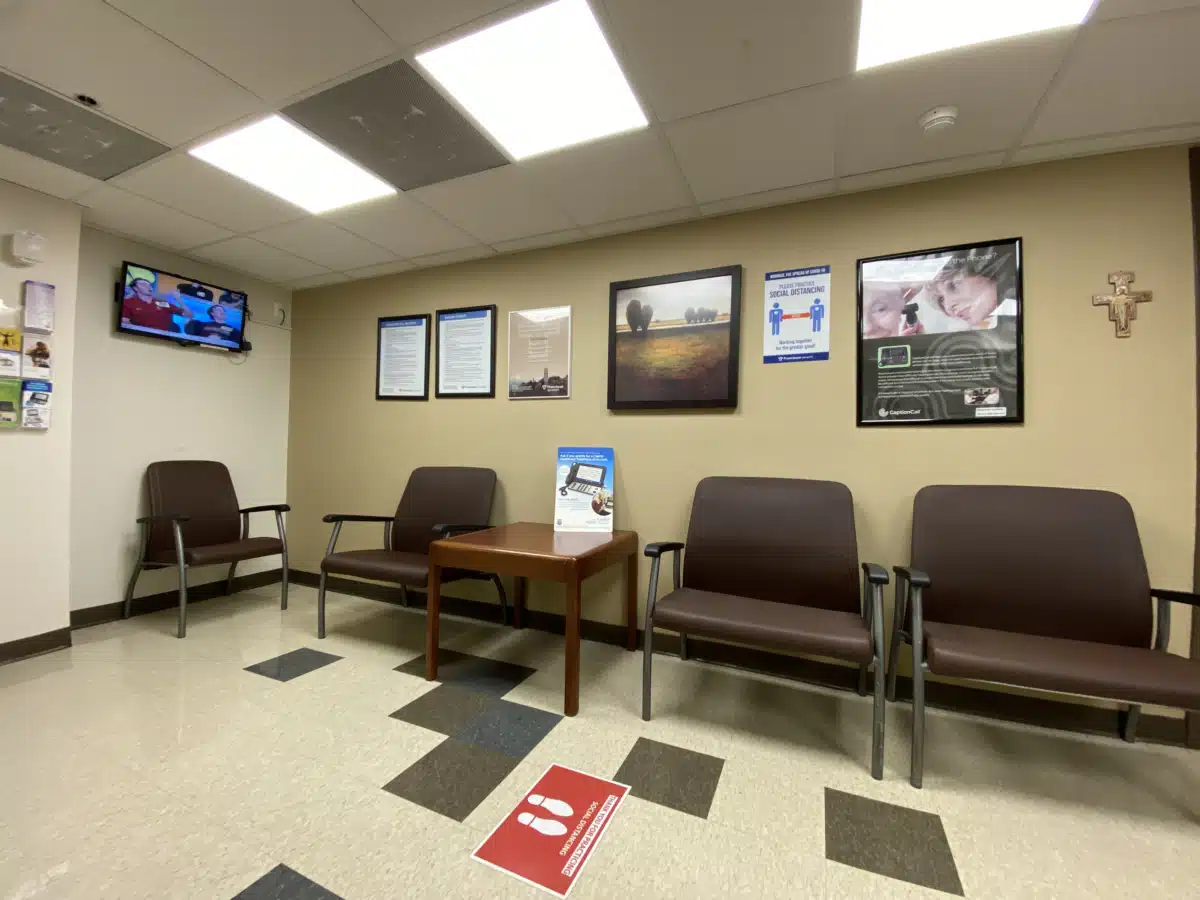
Franciscan Alliance Inc
Franciscan Alliance Inc, situated in Dyer, IN, provides a wide range of addiction treatment services tailored for adults and young adults. The center specializes in hospital inpatient detoxification, inpatient care, and around-the-clock support within a hospital setting. Emphasizing approaches like 12-step facilitation, anger management, and brief interventions, it effectively serves individuals dealing with both substance use disorders and serious mental health issues. Additionally, Franciscan Alliance Inc offers specialized programs designed for adult men and women, as well as clients who have faced intimate partner or domestic violence. With a commitment to gender-specific care, this facility ensures that all clients receive personalized, high-quality treatment aimed at fostering recovery and overall wellness.
Tennessee Community
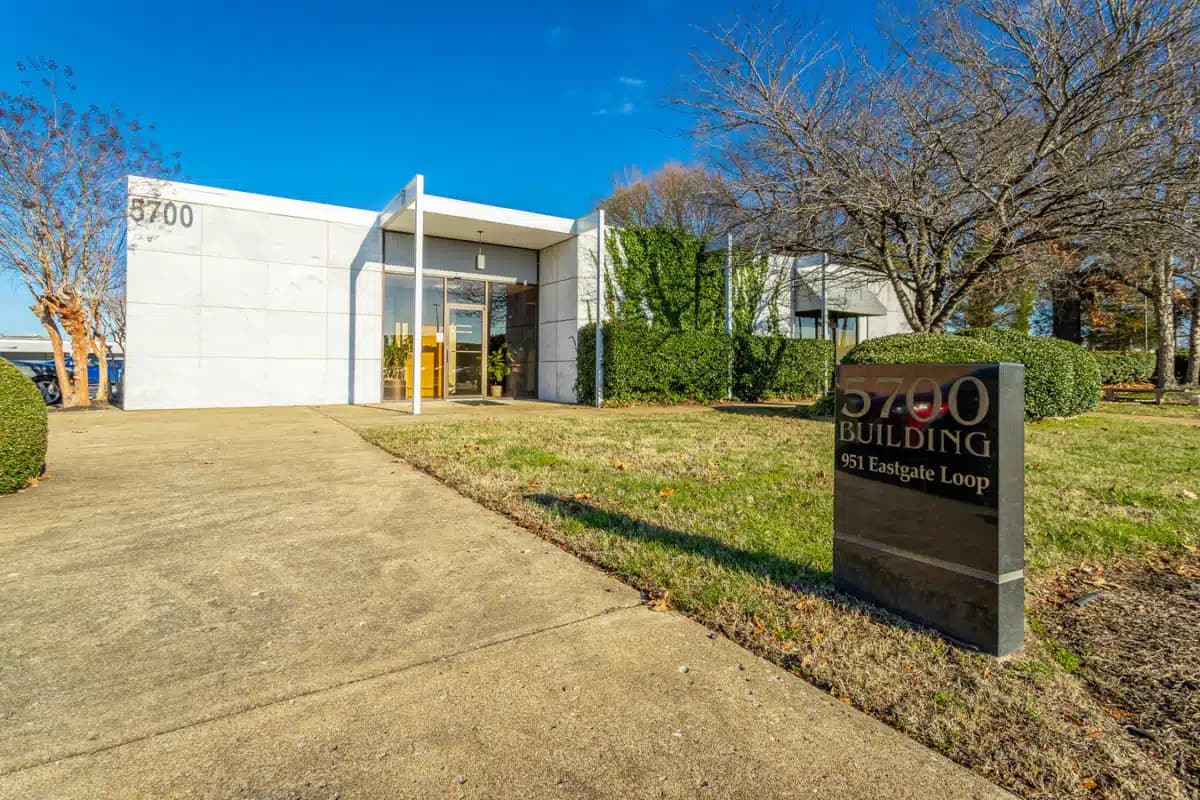
Located in Chattanooga, TN, "Tennessee Community" offers a wide array of addiction treatment services designed for both adults and young adults. Their offerings include detoxification, substance use treatment, transitional housing, and sober living arrangements. With various treatment options like intensive outpatient, outpatient, and day treatment, clients receive personalized care that meets their individual needs. The facility also places a strong emphasis on 12-step facilitation, anger management, and brief intervention strategies. In addition, they have distinct programs tailored for active duty military personnel as well as separate services for adult men and women, ensuring that everyone gets the specialized attention they require. Tennessee Community is dedicated to providing high-quality care for all clients, making it a noteworthy option for those in search of effective rehabilitation services.
Morse Clinic Of Durham PC
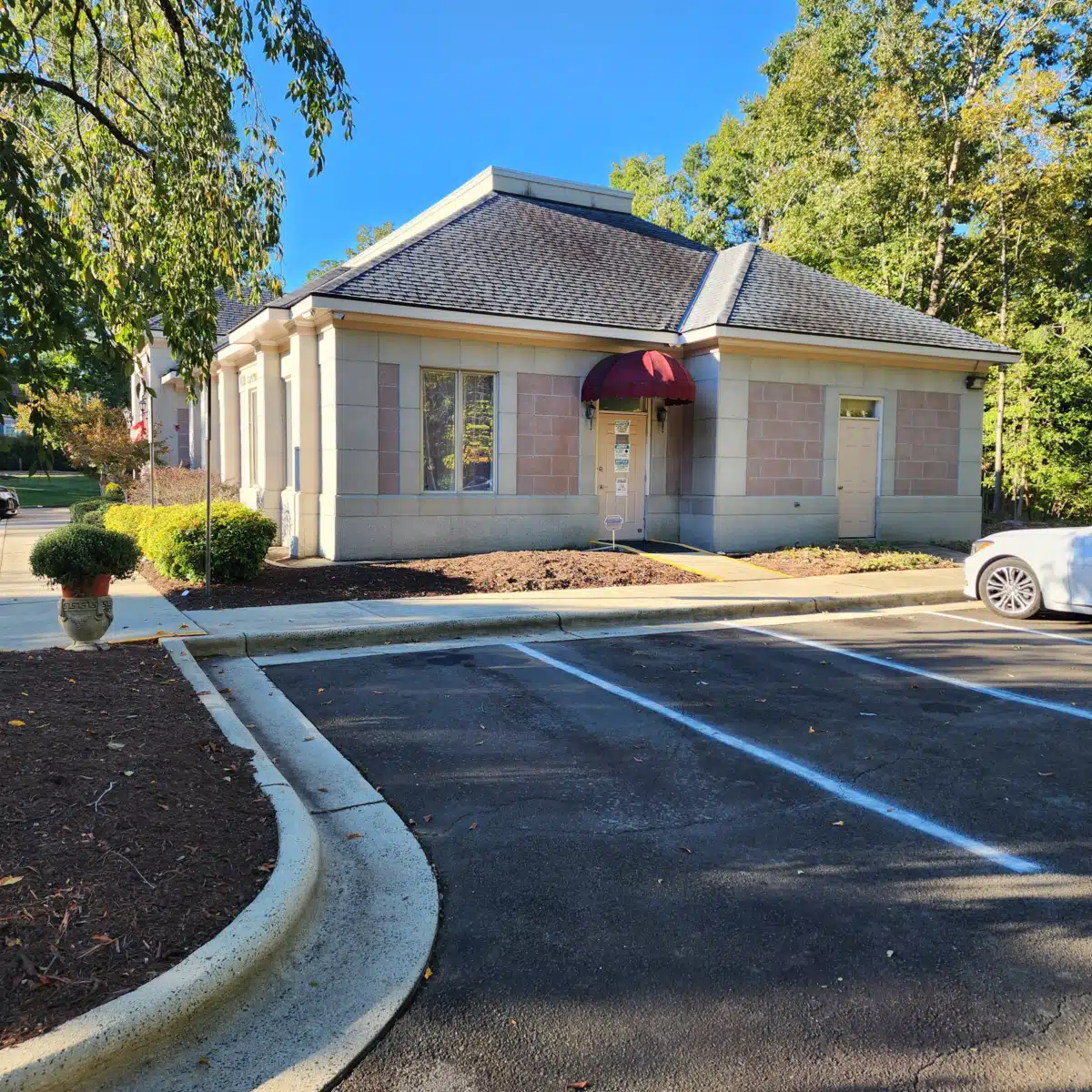
Located in Durham, NC, Morse Clinic Of Durham PC provides a wide range of outpatient services aimed at detoxification, treating substance use issues, and addressing co-occurring disorders for both adults and children. This facility is particularly noted for its outpatient detoxification options, as well as treatments involving methadone, buprenorphine, or naltrexone. Emphasizing 12-step facilitation, anger management, and brief interventions, the clinic tailors its care to meet the unique needs of active duty military personnel, as well as adult men and women. Catering to a diverse population that includes adults, adolescents, and young adults of all genders, Morse Clinic Of Durham PC is committed to delivering high-quality care through evidence-based practices and specialized programs designed for various groups.
About Stimulant Addiction Treatment
Stimulant addiction, whether involving cocaine, methamphetamine, or prescription stimulants, presents unique treatment challenges. At Penn Spine and Rehab, we connect individuals with specialized programs that understand the complexities of stimulant use disorders.
Understanding Stimulant Addiction
Stimulants increase dopamine levels in the brain, creating intense euphoria that can quickly lead to compulsive use. Cocaine, crack cocaine, methamphetamine, and prescription stimulants like Adderall can all lead to addiction when misused.
Common effects of stimulant addiction include:
- Intense cravings and compulsive drug-seeking behavior
- Mood swings, anxiety, and depression during withdrawal
- Sleep disturbances and fatigue
- Cardiovascular and mental health complications
Treatment Approaches
Unlike opioid addiction, there are currently no FDA-approved medications specifically for stimulant use disorders. Treatment relies primarily on behavioral interventions:
- Cognitive Behavioral Therapy (CBT): Helps identify and change patterns that lead to drug use
- Contingency Management: Uses rewards to reinforce positive behaviors and abstinence
- The Matrix Model: A structured 16-week program combining therapy, education, and support groups
- Support Groups: Cocaine Anonymous and other 12-step programs provide community support
Recovery Is Possible
While stimulant addiction recovery can be challenging, many people achieve lasting sobriety with proper treatment. Residential programs often provide the intensive support needed in early recovery, while outpatient programs support long-term maintenance.
Causes & Risk Factors for Stimulant Addiction
Stimulant Addiction develops through a combination of genetic, environmental, and psychological factors. Understanding these risk factors can help identify who may be vulnerable and support early intervention.
- •Dopamine system hijacking — stimulants flood the brain with 2-10x normal dopamine levels
- •Environmental factors — availability, peer pressure, party/club culture
- •Self-medication for ADHD, depression, or fatigue
- •Occupation-related use — shift workers, students, high-pressure professionals
- •Genetic factors influencing dopamine receptor sensitivity
- •Trauma and adverse childhood experiences
- •Rapid progression from recreational use to compulsive use due to intense euphoria
Stimulant Addiction Statistics
Americans had stimulant use disorder in 2020
Source: SAMHSA
Psychostimulant-involved overdose deaths in 2021
Source: CDC
Increase in meth-involved deaths from 2015 to 2021
Source: CDC
Americans used cocaine in 2020
Source: SAMHSA
Americans used methamphetamine in 2020
Source: SAMHSA
Abstinence rate during Contingency Management vs 20% standard care
Source: NIDA
Co-Occurring Conditions
Stimulant Addiction frequently occurs alongside other mental health and substance use conditions. Integrated dual diagnosis treatment addresses all conditions simultaneously for better outcomes.
Depression
Stimulant withdrawal causes severe depression; pre-existing depression is a major risk factor
PTSD
Trauma survivors may use stimulants to combat numbness and dissociation
Anxiety Disorders
Stimulant use can trigger panic attacks and chronic anxiety
Bipolar Disorder
Stimulant use can mimic or trigger manic episodes
Dual Diagnosis
Integrated treatment for stimulant addiction and co-occurring mental health conditions
What to Expect in Stimulant Addiction Treatment
Assessment & Intake (Day 1)
Comprehensive evaluation including cardiovascular health screening, psychiatric assessment, and neuropsychological baseline testing. Stimulant use damages heart and brain — medical monitoring is essential.
Crash & Stabilization (Days 1-7)
Managing the stimulant "crash" — extreme fatigue, depression, and increased sleep and appetite. Medical monitoring. Nutritional support. No specific detox medications, but supportive medications for sleep and mood.
Behavioral Treatment (Weeks 2-12)
CBT to identify triggers and develop coping strategies. Contingency Management with incentives for clean drug tests. Group therapy. Begin addressing underlying mental health conditions.
Brain Recovery & Skill Building (Months 3-6)
Brain dopamine systems slowly recover. Cognitive rehabilitation exercises. Building healthy routines, exercise, social connections. Continued therapy and relapse prevention.
Long-term Recovery (Ongoing)
Outpatient support and peer groups. Managing post-acute withdrawal (anhedonia, cravings). Continued CM when available. Relapse prevention. Many people require 6-12+ months of active treatment.
Frequently Asked Questions About Stimulant Addiction Treatment
Resources & Sources
The information on this page is based on peer-reviewed research and authoritative health organizations. Always consult a healthcare professional for medical advice.
Medical Disclaimer: This content is for informational purposes only and does not constitute medical advice. Always seek the guidance of a qualified healthcare provider for diagnosis and treatment. If you or someone you know is in crisis, call 911 or the SAMHSA National Helpline at 1-800-662-4357 (free, confidential, 24/7).