Cognitive Behavioral Therapy (CBT) Treatment Centers
Cognitive Behavioral Therapy (CBT) is one of the most researched and effective treatments for addiction. This structured, goal-oriented therapy helps individuals recognize the connection between thoughts, feelings, and behaviors, developing practical skills to change patterns that lead to substance use.
Found 6,885 treatment centers offering cognitive behavioral therapy (cbt) across the United States.
Need Help Finding the Right Treatment?
Browse our directory or call to discuss treatment options.
Showing 20 of 6885 cognitive behavioral therapy (cbt) treatment centers

Restorative Management Corp
Middletown, NY

Revival Counseling Center LLC
Jonesboro, AR
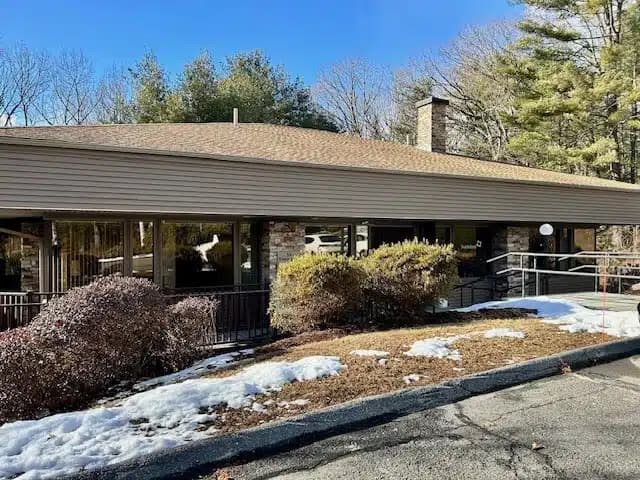
Rushford at Avon
Avon, CT
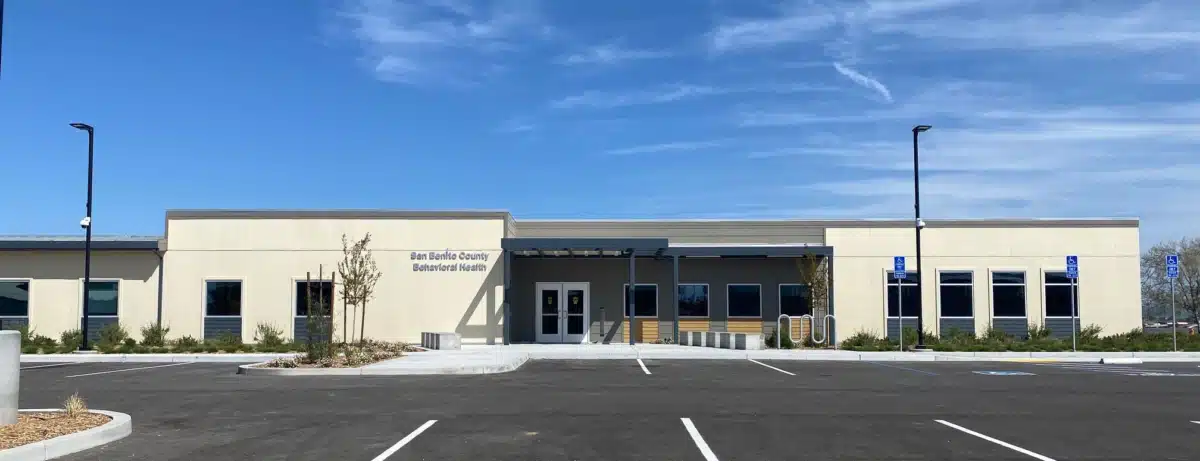
San Benito County Behavioral Hlth Dept
Hollister, CA

SE Arkansas Behavioral Healthcare
Pine Bluff, AR


Shreveport Behavioral Health Clinic
Shreveport, LA
Sitike Counseling Center
South San Francisco, CA

Sound
Seattle, WA
Southeast Missouri Behavioral Health
Poplar Bluff, MO

Southern CO Comprehensive Court Servs
Pueblo, CO
Spectrum Health Systems Inc
Haverhill, MA


Sunshine Behavior Center Inc
Miami, FL
TASC of Southeast Ohio
Gallipolis, OH
TASC of Southeast Ohio
Logan, OH

Timberline Knolls
Lemont, IL

Top Priority Care Services LLC
Winston Salem, NC

Toxicology Associates/North Georgia
Carrollton, GA
About Cognitive Behavioral Therapy (CBT)
Cognitive Behavioral Therapy is one of the most extensively researched and effective treatments for addiction and co-occurring mental health conditions. At Penn Spine and Rehab, we help you find treatment centers with trained CBT therapists who can guide you through this transformative approach.
How CBT Works in Addiction Treatment
CBT operates on the principle that thoughts, feelings, and behaviors are interconnected. By identifying and challenging distorted thinking patterns, individuals can change the behaviors that lead to substance use.
Key components of CBT for addiction include:
- Functional Analysis: Understanding the triggers, thoughts, and consequences of substance use
- Cognitive Restructuring: Identifying and changing negative thought patterns
- Skills Training: Learning coping strategies for high-risk situations
- Relapse Prevention: Developing plans to maintain sobriety long-term
What to Expect in Treatment
CBT is typically provided in both individual and group settings. Sessions are structured and goal-oriented, with homework assignments to practice skills between sessions. Most CBT programs run 12-16 weeks, though many treatment centers integrate CBT principles throughout longer programs.
Who Benefits from CBT
CBT is effective for all types of substance use disorders and is particularly helpful for those with co-occurring depression, anxiety, or PTSD. It's available at all levels of care from outpatient to residential treatment.
Cognitive Behavioral Therapy (CBT) Key Statistics
Conditions Treated with Cognitive Behavioral Therapy (CBT)
CBT helps identify drinking triggers and develop coping strategies
Combined with MAT, CBT addresses the behavioral aspects of opioid dependence
CBT is a first-line treatment for co-occurring depression
CBT effectively treats anxiety alongside substance use
Trauma-focused CBT addresses PTSD symptoms driving substance use
CBT is the primary psychotherapy for cocaine and meth addiction
What to Expect: Cognitive Behavioral Therapy (CBT) Treatment Process
Assessment
Sessions 1-2Therapist evaluates substance use patterns, triggers, and treatment goals through functional analysis
Skill Building
Sessions 3-8Learn cognitive restructuring, coping strategies, and problem-solving skills for high-risk situations
Practice & Application
Sessions 9-14Apply skills to real-life situations with homework assignments and behavioral experiments
Relapse Prevention
Sessions 15-16Develop a comprehensive relapse prevention plan and strategies for maintaining progress
Frequently Asked Questions About Cognitive Behavioral Therapy (CBT)
Resources & Citations
National Institutes of Health
National Institute on Drug Abuse
Medical Disclaimer
This information is for educational purposes only and is not a substitute for professional medical advice, diagnosis, or treatment. Always consult with a qualified healthcare provider before starting any treatment program. If you are experiencing a medical emergency, call 911 immediately.