Motivational Interviewing Treatment Centers
Motivational Interviewing (MI) is a client-centered counseling approach that helps individuals explore and resolve ambivalence about changing addictive behaviors. Rather than directing change, MI practitioners guide clients to discover their own reasons and motivation for recovery, making it highly effective for individuals who may be hesitant about treatment.
Found 1,918 treatment centers offering motivational interviewing across the United States.
Need Help Finding the Right Treatment?
Browse our directory or call to discuss treatment options.
Showing 20 of 1918 motivational interviewing treatment centers


Thelma McMillen Recovery Center
Torrance, CA

Addiction Services and Pharmacotherapy
Kenosha, WI

Alteri LLC
Lexington, KY
AppleGate Recovery
Indianapolis, IN
BHG Medical Services North Little Rock
North Little Rock, AR
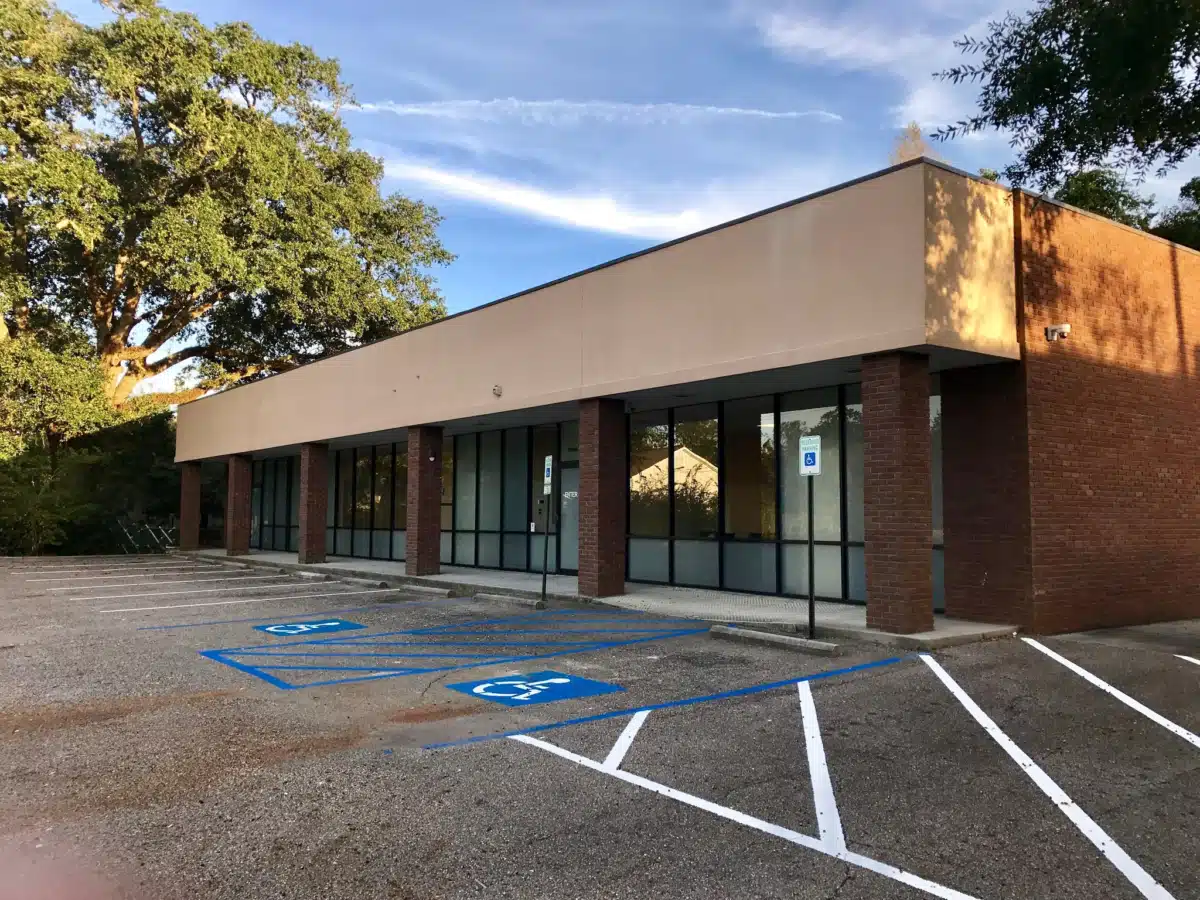
Biloxi Treatment Center
Biloxi, MS

Burlington Lakeside CBOC
Burlington, VT

Cagnollatti and Henderson Inc
Dallas, TX

Canvas Health Inc
Forest Lake, MN

Cedar Recovery
Mount Juliet, TN


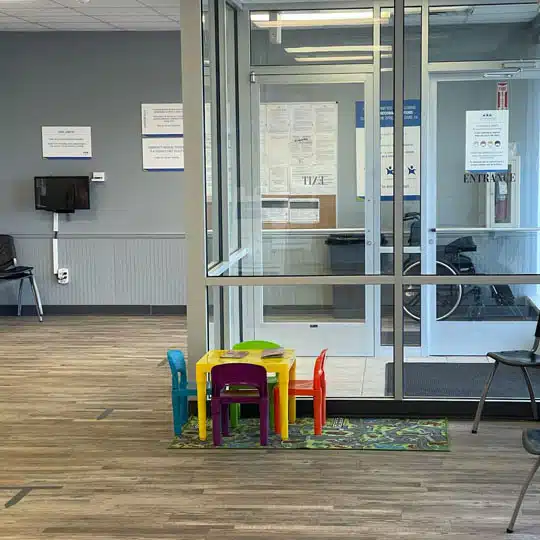
CMS Sterling Heights
Sterling Heights, MI

Community Medical Services
McKinney, TX
Community Medical Services
Fond du Lac, WI
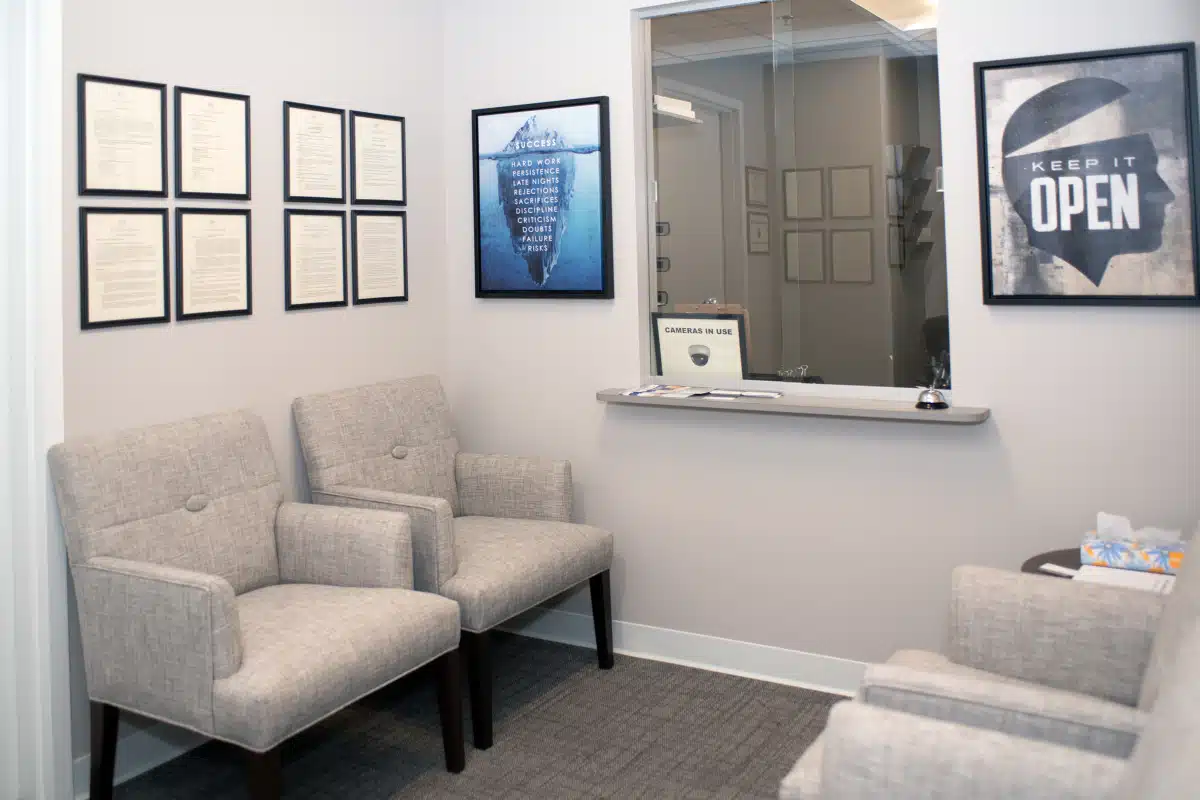
Counseling Center at West Caldwell
Caldwell, NJ
Deer Hollow Recovery
Draper, UT
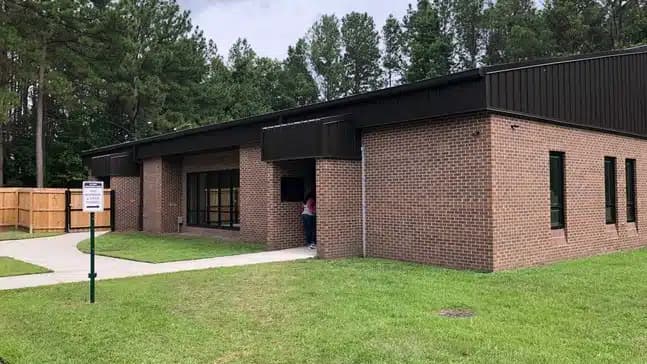
Dix Crisis Intervention Center
Jacksonville, NC
About Motivational Interviewing
Motivational Interviewing (MI) is a powerful, collaborative approach that helps individuals find their own reasons and motivation for change. Unlike confrontational methods, MI respects autonomy while gently guiding people toward healthier choices.
The Spirit of Motivational Interviewing
MI is built on four key elements:
- Partnership: Working together rather than directing
- Acceptance: Respecting the person's autonomy and worth
- Compassion: Prioritizing the client's well-being
- Evocation: Drawing out the person's own motivations
How MI Works
MI therapists use specific techniques to help individuals explore and resolve ambivalence about change. Through reflective listening, open-ended questions, and affirmations, therapists help clients articulate their own reasons for recovery, which is far more powerful than being told what to do.
When MI Is Most Helpful
MI is particularly valuable early in treatment or for individuals who feel ambivalent about recovery. It's often combined with other approaches like CBT and is used across all levels of care. Many treatment centers incorporate MI principles throughout their programs.
Motivational Interviewing Key Statistics
Conditions Treated with Motivational Interviewing
MI is highly effective for increasing readiness to address alcohol problems
MI helps engage reluctant individuals in opioid treatment
MI is a recommended first-line treatment for cannabis use disorder
MI combined with CM is effective for stimulant use disorders
MI helps address ambivalence about stopping gambling behaviors
What to Expect: Motivational Interviewing Treatment Process
Engaging
Session 1Building rapport and establishing a collaborative working relationship
Focusing
Sessions 1-2Identifying specific target behaviors and clarifying the direction of change
Evoking
Sessions 2-3Drawing out the person's own motivations, values, and reasons for change
Planning
Sessions 3-4Developing a concrete change plan when readiness is sufficient
Frequently Asked Questions About Motivational Interviewing
Resources & Citations
National Institutes of Health
Guilford Press
Medical Disclaimer
This information is for educational purposes only and is not a substitute for professional medical advice, diagnosis, or treatment. Always consult with a qualified healthcare provider before starting any treatment program. If you are experiencing a medical emergency, call 911 immediately.