Depression Rehab Centers
Depression treatment within addiction recovery takes an integrated approach to address both conditions simultaneously. Evidence-based therapies like CBT and DBT, medication management when appropriate, and holistic wellness practices help individuals manage depressive symptoms while building a strong foundation for lasting sobriety.
Found 11,966 rehab centers specializing in depression across the United States.
Need Help Finding the Right Treatment?
Browse our directory or call to discuss treatment options.
Showing 20 of 11966 depression rehab centers
Native Americans for Community Action
Nestled in Flagstaff, AZ, Native Americans for Community Action is dedicated to delivering thorough substance use treatment alongside specialized care for those facing co-occurring mental health issues. This facility features a range of programs, including intensive outpatient, outpatient, and regular outpatient treatment, designed for both adults and children/adolescents. To cater to the distinct needs of each individual, the center employs a variety of effective methods such as anger management, brief interventions, and cognitive behavioral therapy. With an emphasis on supporting clients who experience both mental and substance use disorders, the center provides personalized assistance tailored for both men and women. You can trust this facility to offer high-quality care and effective treatment, guiding you on your journey to recovery.
Burning Tree Recovery Ranch
Burning Tree Recovery Ranch, situated in Kaufman, TX, delivers extensive long-term residential treatment for individuals dealing with substance use issues alongside serious mental health disorders. The facility is dedicated to providing specialized programs tailored for both adult men and women, including those who have faced intimate partner violence. Emphasizing a 12-step facilitation approach, anger management, and brief interventions, Burning Tree caters to adults and young adults in need of comprehensive and gender-sensitive support. Their residential services, which operate 24 hours a day, ensure that clients receive continuous assistance. What sets Burning Tree Recovery Ranch apart is its customized approach to addressing substance use disorders and mental health challenges, assuring high-quality care for everyone who seeks help.
Addiction Recovery Services
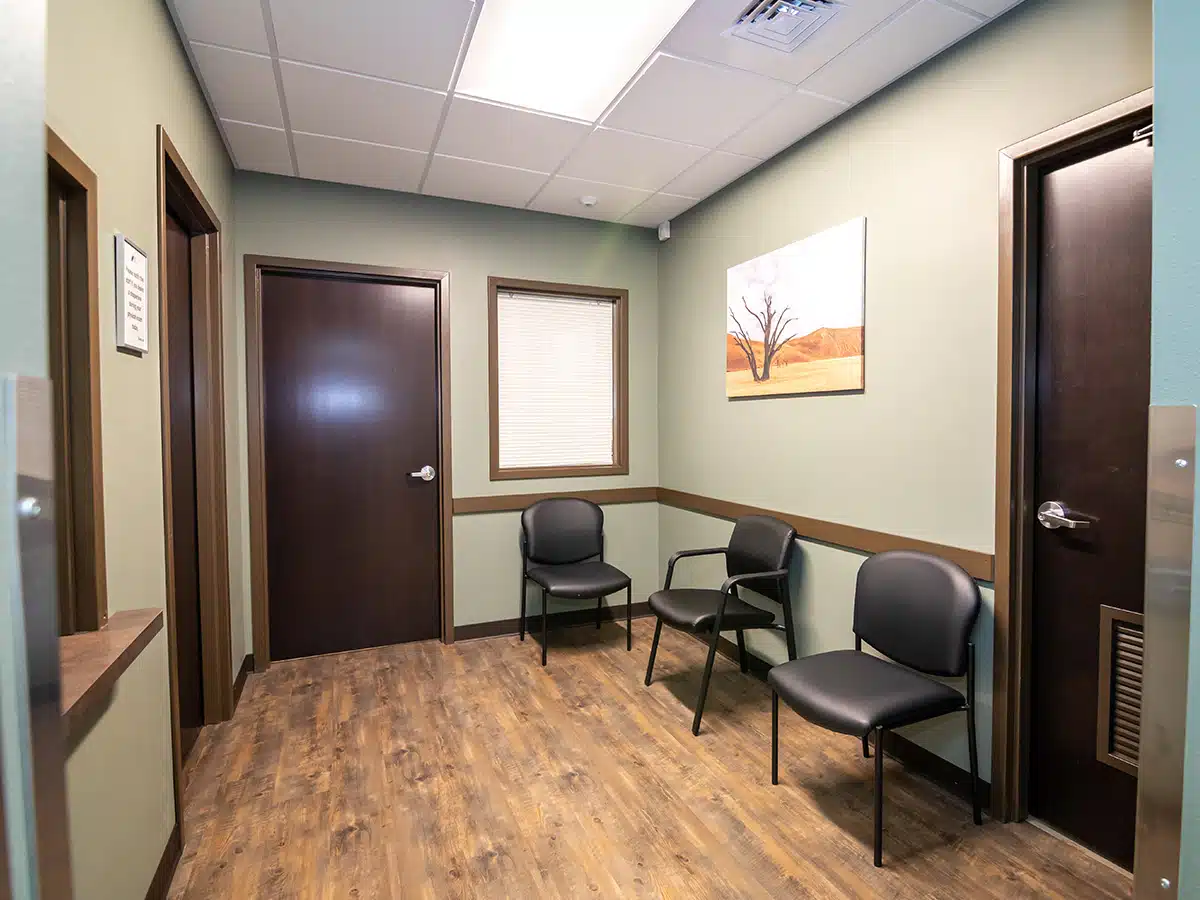
Situated in Cleveland, OH, Addiction Recovery Services provides a wide range of addiction treatment options, including detoxification and substance use therapy. The center offers various programs such as intensive outpatient treatment, outpatient services, and day treatment or partial hospitalization. Emphasizing approaches like 12-step facilitation, brief intervention, and cognitive behavioral therapy, this facility serves adults, seniors, and young adults of all genders. Notably, they also have specialized programs for individuals facing both pain and substance use disorders. At Addiction Recovery Services, delivering high-quality care is a priority, helping individuals as they navigate their path to recovery.
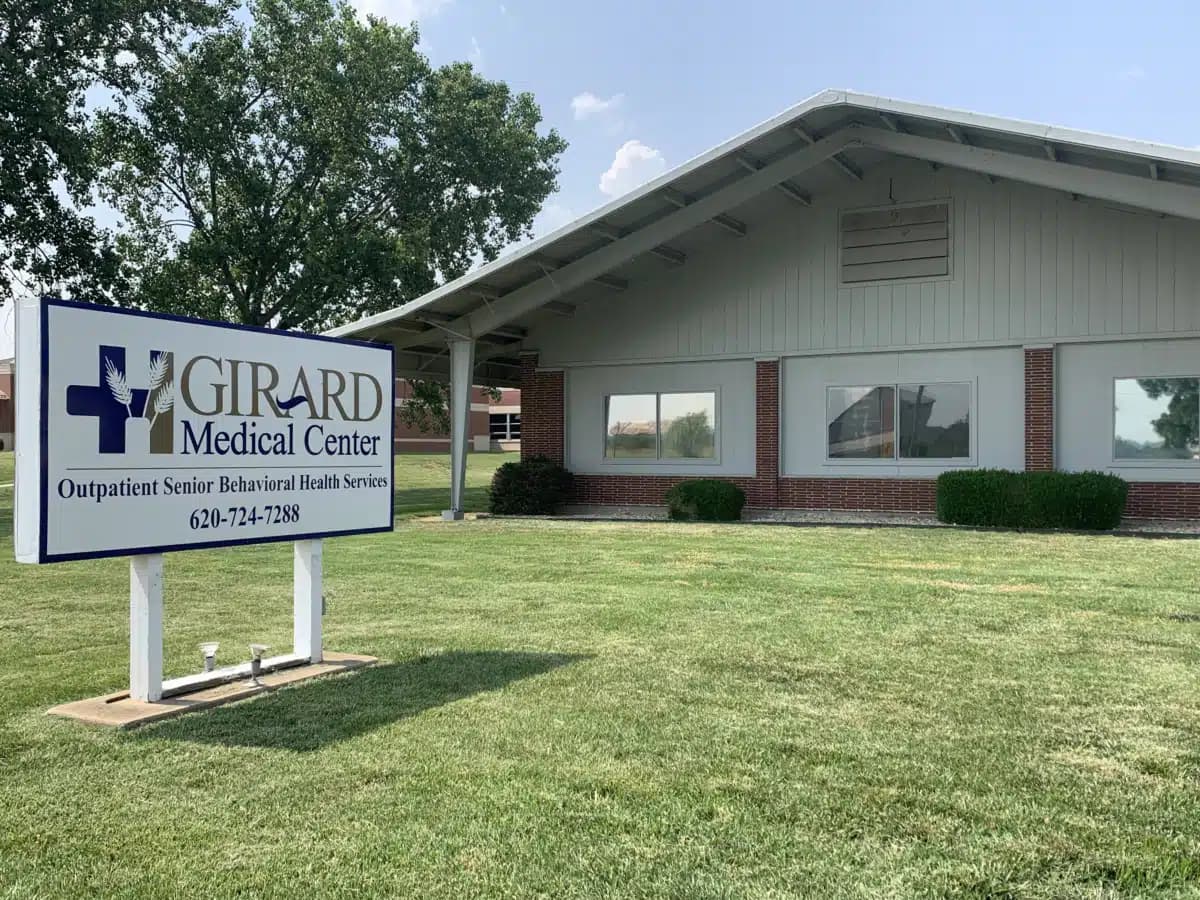
Community MHC of Crawford County
Community MHC of Crawford County, located in Pittsburg, KS, provides specialized substance use treatment for both adults and children facing co-occurring mental health challenges. Their range of programs includes intensive outpatient care, long-term residential treatment, and traditional outpatient services. The center employs evidence-based methods such as cognitive behavioral therapy, the Matrix Model, and motivational interviewing, allowing for treatment that is customized to meet the unique needs of each individual. With an emphasis on supporting adult women, their services extend to adults, seniors, and young adults, fostering a healing environment that prioritizes female clients. Community MHC of Crawford County is committed to offering high-quality care that empowers individuals on their path to recovery.

New Mexico Behav Health Institute
The New Mexico Behavior Health Institute, located in Santa Rosa, NM, specializes in outpatient treatment for substance use issues affecting both adults and young adults. By employing techniques such as cognitive behavioral therapy and substance use disorder counseling, the facility offers a consistent outpatient treatment experience that is customized to meet individual needs. Their programs are designed specifically for both men and women, fostering a welcoming and supportive environment for everyone. What truly distinguishes this center is its commitment to personalized care, prioritizing high-quality treatment for those who are looking to overcome addiction. With a strong dedication to evidence-based methods, the New Mexico Behavior Health Institute strives to support individuals on their journey to recovery.
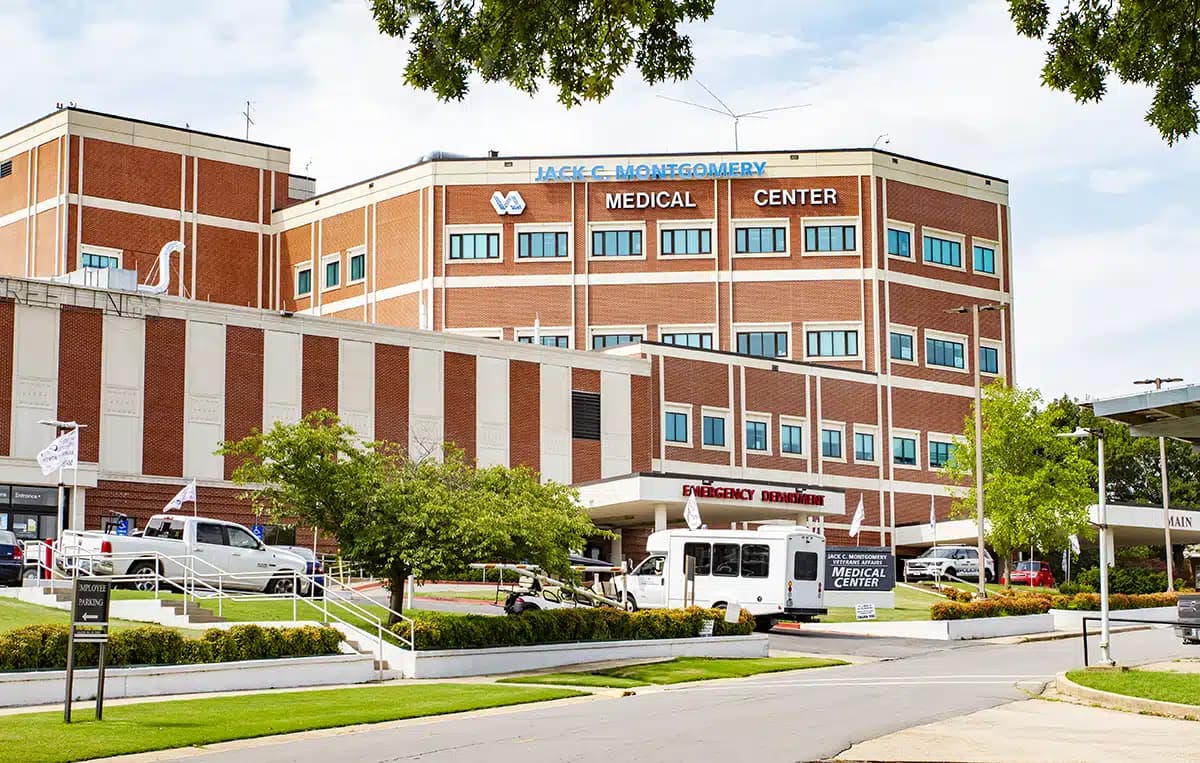
Eastern Oklahoma VA Healthcare System
Located in Muskogee, OK, the Eastern Oklahoma VA Healthcare System offers a wide range of addiction treatment services designed for both adults and young adults. This facility is equipped to provide hospital inpatient detoxification, comprehensive substance use treatment, and specialized programs for those who have faced trauma, intimate partner violence, domestic violence, or sexual abuse. Treatment methods here encompass 12-step facilitation, anger management, and brief interventions. Committed to delivering quality care that meets the unique needs of each individual, the center is open to all clients, regardless of gender, who are looking for support and a path to recovery from substance use disorders.
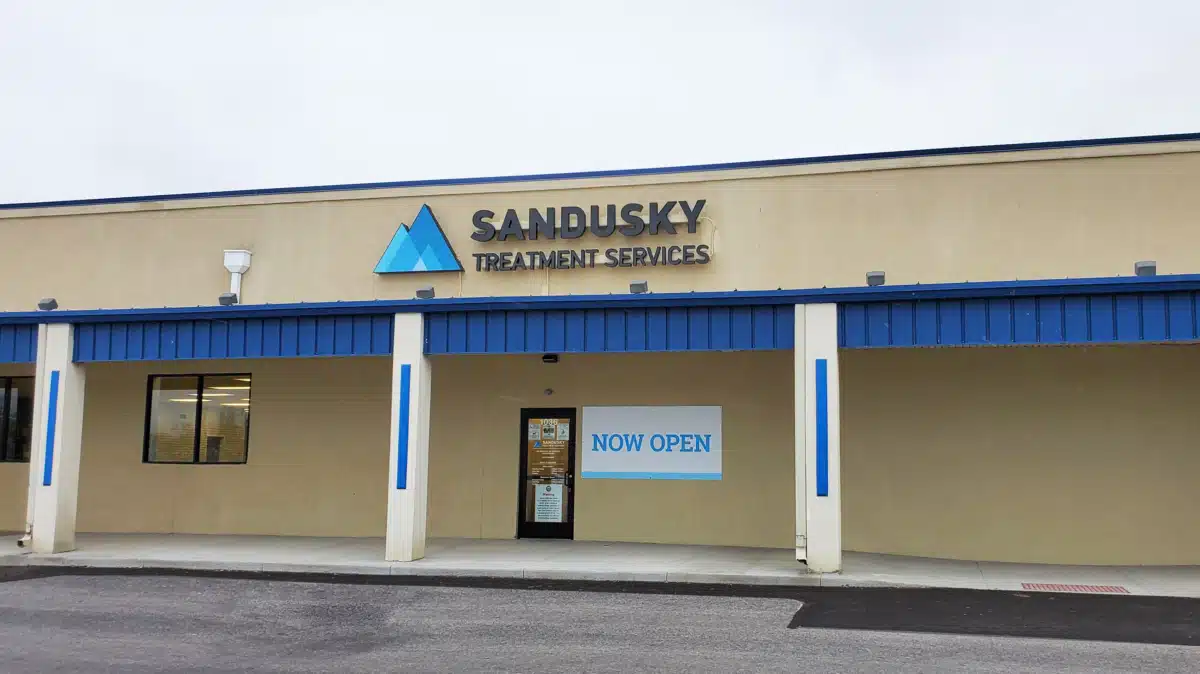
Pinnacle Treatment Centers OH XII LLC
Pinnacle Treatment Centers OH XII LLC is conveniently situated in Sandusky, OH, and offers outpatient substance use treatment specifically designed for adults and young adults. This facility prides itself on an individualized approach to care, providing a variety of treatment options, including outpatient treatments using methadone, buprenorphine, or naltrexone, as well as regular outpatient services. The center employs evidence-based methods such as brief interventions, cognitive behavioral therapy, and the Matrix Model, ensuring high-quality support for all clients, regardless of gender. If you're looking for a rehabilitation program that emphasizes personalized treatment plans and utilizes proven therapeutic techniques, this facility is committed to aiding you on your path to recovery.

St Johns Recovery Place
Nestled in Crescent City, FL, St Johns Recovery Place provides a wide range of addiction treatment services tailored for both adults and young adults. This facility specializes in hospital inpatient detoxification, alongside various treatment programs that emphasize 12-step facilitation, anger management, and brief intervention techniques. Catering to the differing needs of its clients, St Johns Recovery Place offers specialized programs for active duty military personnel, as well as separate tracks for adult men and women. Each client, regardless of gender, receives personalized care designed to aid their recovery process. The center’s dedication to high-quality treatment and its array of service options make it an essential resource for anyone in search of effective rehabilitation support.
Lake Avenue Recovery LLC
Located in Worcester, MA, Lake Avenue Recovery LLC provides a wide range of substance use treatment options for both adults and young adults. Their offerings include intensive outpatient, outpatient, and day treatment programs that feature techniques such as 12-step facilitation, anger management, and brief intervention approaches. This facility is well-equipped to assist clients dealing with trauma, co-occurring mental health and substance use disorders, as well as pain and substance use issues. With a commitment to delivering personalized care for both men and women, Lake Avenue Recovery LLC prioritizes high-quality, individualized treatment aimed at fostering lasting recovery. If you are looking for effective and compassionate addiction support, this center is dedicated to helping you reach your recovery goals.
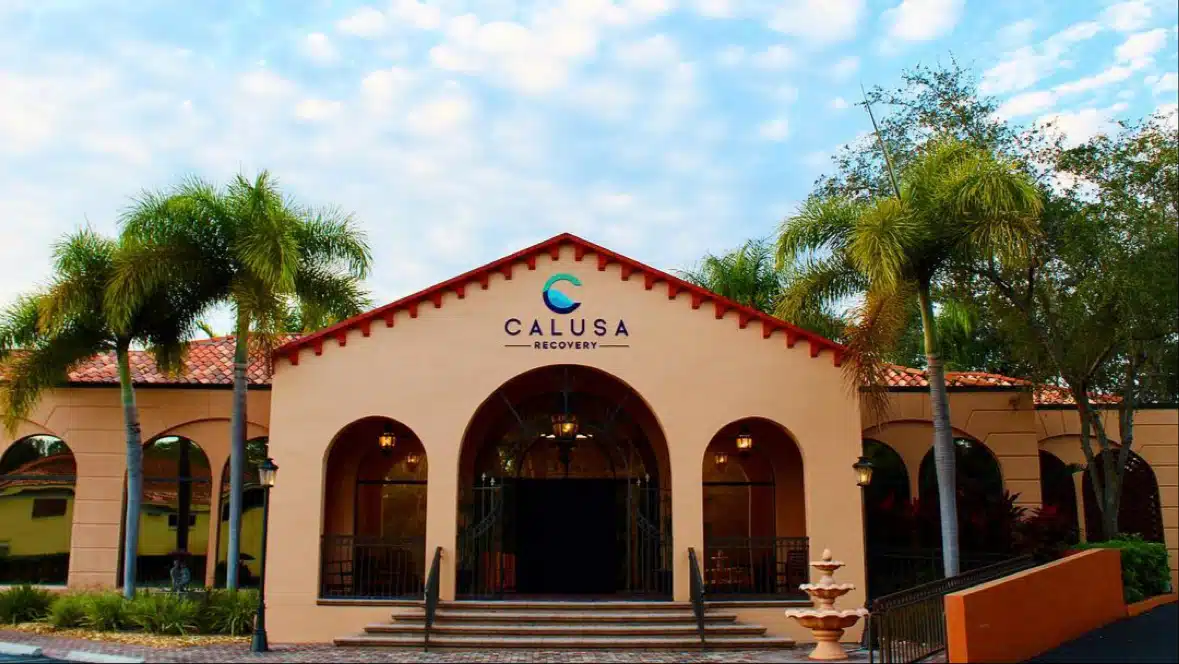
Calusa Recovery
Located in Fort Myers, FL, Calusa Recovery provides a wide range of services for those dealing with substance use issues. The center is particularly skilled in addressing co-occurring disorders, effectively supporting adults with substance use challenges alongside significant mental health conditions, and also assisting children with emotional disturbances. Calusa Recovery emphasizes intensive outpatient care and offers a day treatment program that includes various therapeutic approaches such as 12-step facilitation, anger management, and brief intervention techniques. They have tailored programs specifically for active duty military personnel, adolescents, and adult men. The facility proudly welcomes both adult men and women, as well as young adults, ensuring that each individual receives the high-quality care and support needed for successful recovery from addiction.
ARC Counseling Centers
ARC Counseling Centers, situated in Louisa, KY, provides targeted substance use treatment designed for both adults and young adults in a nurturing environment. Offering a range of services, including intensive outpatient, long-term residential, and outpatient programs, this facility customizes its treatment plans to meet each individual's unique requirements. By employing strategies such as 12-step facilitation, anger management, and brief intervention, ARC Counseling Centers supports clients throughout their comprehensive recovery journey. What truly distinguishes them is their individualized approach and sensitivity to gender-specific needs. Catering to both male and female clients, this center is committed to delivering high-quality, personalized support for those on the path to overcoming addiction.
Comprehensive Addictions Trt Servs
Situated in Ocala, FL, Comprehensive Addictions Treatment Services provides a variety of evidence-based therapies for both substance use disorders and accompanying mental health issues among adults and children. The center offers different levels of care, including intensive outpatient, outpatient, and regular outpatient programs, ensuring that treatment is customized to meet the unique needs of each individual. Their methods encompass a range of approaches, such as 12-step facilitation, anger management, and brief interventions. Additionally, the facility has specialized programs designed for adult men, women, and individuals who have faced intimate partner violence. Catering to adults and seniors of all genders, this center emphasizes high-quality care and personalized treatment plans to foster long-term recovery.

Insight Treatment Programs
Located in Modesto, CA, Insight Treatment Programs provides specialized rehabilitation services designed to meet a variety of needs. The facility offers a range of options, including intensive outpatient treatment, outpatient care, and day treatment specifically for substance use issues and co-occurring mental health disorders in both adults and children. Their methodology emphasizes 12-step facilitation, anger management, and brief intervention techniques. Insight Treatment Programs features customized programs for adolescents and individuals with dual diagnoses, ensuring thorough care for all clients. With services available for adults, children, adolescents, and young adults of all genders, the center focuses on delivering high-quality care and personalized treatment plans aimed at promoting recovery and overall well-being.
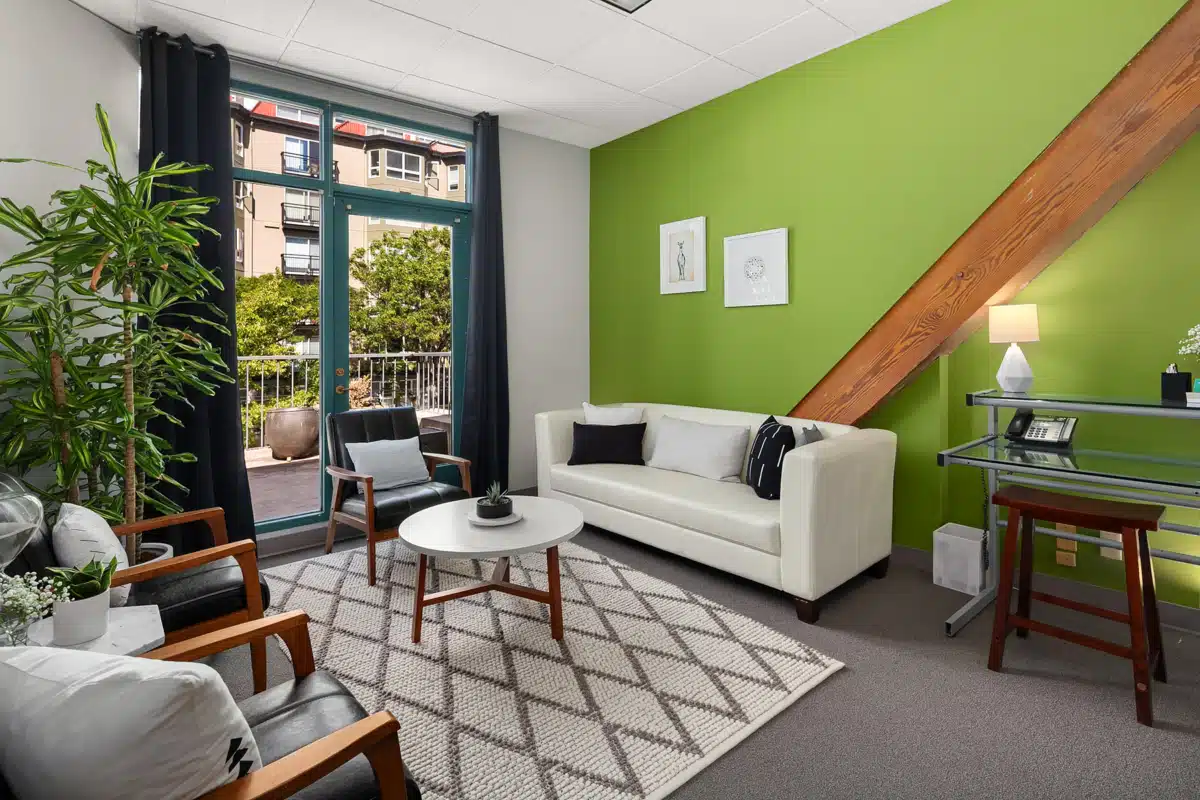
Nua Counseling PLLC
Nua Counseling PLLC, located in Seattle, WA, provides a variety of treatment options designed for both adults and children dealing with substance use issues and mental health challenges. They offer intensive outpatient treatment, outpatient services, and standard outpatient programs that utilize evidence-based methods, including cognitive behavioral therapy and motivational incentives. The center also features specialized programs for adult men and women, along with support for clients managing co-occurring disorders. Nua Counseling PLLC is committed to delivering high-quality care to individuals of all genders and ages, guiding them on their journey toward recovery and enhanced mental well-being.

Aegis Treatment Centers LLC
Aegis Treatment Centers LLC, located in Merced, CA, provides outpatient detox and substance use treatment services specifically designed for both adults and young adults. The center emphasizes personalized care, utilizing methods such as cognitive behavioral therapy, motivational interviewing, and contingency management/motivational incentives to meet each client's unique needs. Catering to both men and women striving for recovery from addiction, Aegis Treatment Centers LLC is dedicated to delivering high-quality care. They also offer outpatient options for methadone, buprenorphine, or naltrexone treatment, supporting clients as they work toward achieving sobriety.
SunCloud Health SC
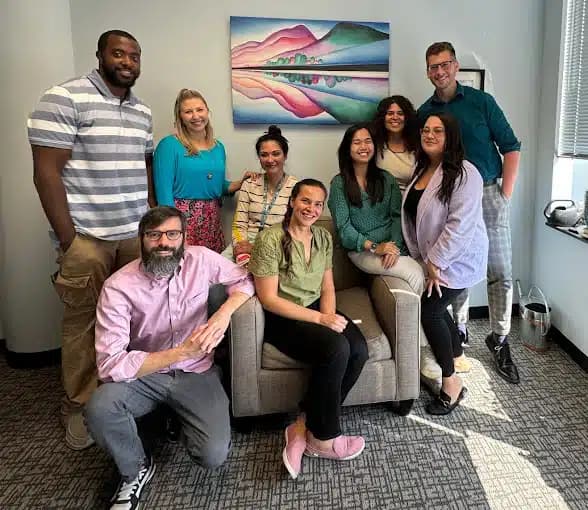
Located in Northbrook, IL, SunCloud Health SC specializes in treating substance use disorders as well as co-occurring mental health issues in both adults and children dealing with serious emotional disturbances. Their extensive programs encompass intensive outpatient treatment, outpatient day treatment, and partial hospitalization. The center employs various effective methods, including 12-step facilitation, anger management, and cognitive behavioral therapy, to serve a diverse clientele—ranging from active duty military personnel to adolescents and adult men. With a commitment to providing personalized care, SunCloud Health SC focuses on the specific needs of each individual, ensuring high-quality treatment and support for those on their journey to recovery.
Unison Behavioral Health
Unison Behavioral Health, situated in Waycross, GA, provides long-term residential treatment specifically designed for adults dealing with substance use and serious co-occurring mental health issues, as well as for children facing significant emotional disturbances. The center is committed to offering round-the-clock care and utilizes customized approaches, which include anger management, brief intervention, and cognitive behavioral therapy. What sets Unison apart are its distinctive programs aimed at adult women, particularly those who have experienced intimate partner violence, domestic violence, or sexual abuse. This facility prioritizes the needs of female clients while also catering to adults, seniors, and young adults. With a strong emphasis on delivering high-quality care through specialized programs, Unison Behavioral Health serves as a vital resource for individuals seeking personalized and effective rehabilitation services.
Valley Hope of Moundridge
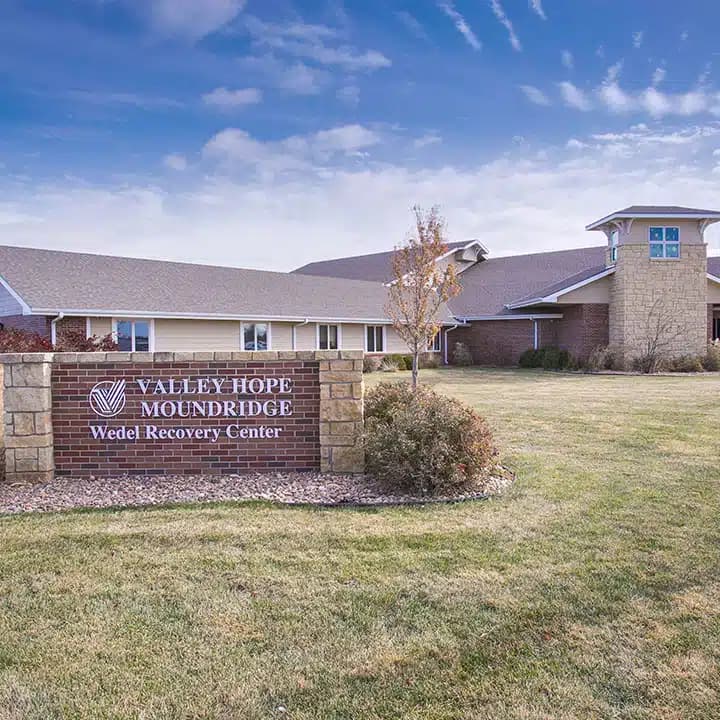
Located in Moundridge, KS, Valley Hope of Moundridge specializes in addiction treatment services. This facility offers a range of programs, including detoxification and long-term residential care, as well as 24-hour residential support. They employ various methods such as 12-step facilitation, brief intervention, and cognitive behavioral therapy to assist adult men and women struggling with co-occurring mental health and substance use disorders. Catering to both adults and young adults of all genders, Valley Hope of Moundridge is dedicated to providing personalized, high-quality care. If you're looking for a comprehensive and effective approach to addiction treatment in a nurturing environment, this facility is a great option.

Col C David Merkel MD
Nestled in Saranac Lake, NY, the Col C David Merkel MD center is dedicated to offering a wide array of addiction treatment services. With a particular emphasis on detoxification, substance use treatment, and transitional housing, this facility features long-term, short-term, and residential programs to meet diverse needs. The center employs various methods, including anger management and cognitive behavioral therapy, to support adult men, seniors, and young adults who have faced intimate partner violence. Particularly attentive to the needs of active duty military personnel, this center is committed to providing high-quality, gender-specific care designed for male clients. For individuals seeking effective and tailored addiction treatment, this facility stands out as an excellent option.
Oklahoma City Comprehensive Trt Center
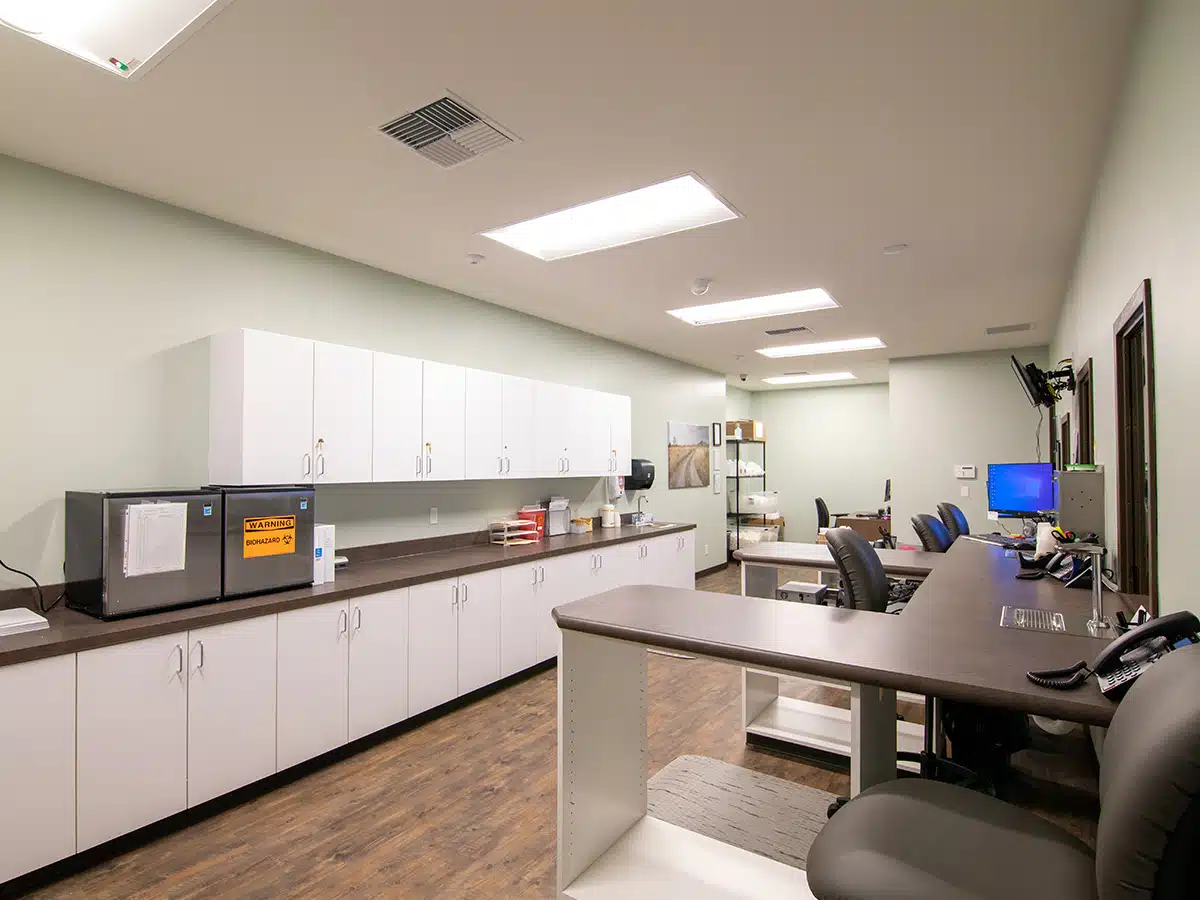
At the Oklahoma City Comprehensive Treatment Center located in Oklahoma City, OK, individuals can find a variety of outpatient services focused on detoxification and addressing substance use. This facility provides specialized programs designed for adult men and women, including support for those who have faced intimate partner or domestic violence. The center employs a range of treatment methods, such as 12-step facilitation, anger management, and cognitive behavioral therapy, making it suitable for both adults and young adults of all genders. Whether clients are looking for regular outpatient care or specific outpatient treatments like methadone, buprenorphine, or naltrexone, they can anticipate receiving compassionate, high-quality care tailored to their unique needs.
About Depression Treatment
Depression and substance use often occur together, with each condition potentially worsening the other. At Penn Spine and Rehab, we help individuals find treatment programs that address both depression and addiction simultaneously for the best possible outcomes.
The Connection Between Depression and Addiction
Many people with depression turn to alcohol or drugs to cope with painful feelings, while substance use itself can cause or worsen depressive symptoms. This complex relationship requires integrated treatment that addresses both conditions.
Signs of co-occurring depression and substance use include:
- Persistent feelings of sadness, emptiness, or hopelessness
- Loss of interest in previously enjoyed activities
- Using substances to cope with difficult emotions
- Worsening depression despite substance use
- Difficulty functioning at work, school, or in relationships
Integrated Treatment Approaches
Dual diagnosis treatment programs offer comprehensive care including:
- Cognitive Behavioral Therapy (CBT): Effective for both depression and addiction
- Dialectical Behavior Therapy (DBT): Teaches emotion regulation and distress tolerance
- Medication Management: Antidepressants and other psychiatric medications when appropriate
- Holistic Therapies: Mindfulness practices and physical exercise support mental health
Finding the Right Program
Look for treatment centers with psychiatrists and mental health professionals on staff, not just addiction counselors. Residential programs often provide the intensive support needed to stabilize both conditions, while ongoing outpatient care maintains progress.
Causes & Risk Factors for Depression
Depression develops through a combination of genetic, environmental, and psychological factors. Understanding these risk factors can help identify who may be vulnerable and support early intervention.
- •Neurochemical overlap — both depression and addiction involve serotonin and dopamine dysregulation
- •Self-medication — using substances to numb emotional pain, hopelessness, or fatigue
- •Substance-induced depression — chronic alcohol or drug use depletes mood-regulating neurotransmitters
- •Genetic predisposition — shared hereditary risk factors for both conditions
- •Childhood trauma and adverse experiences
- •Chronic stress, grief, loss, or major life changes
- •Social isolation — both depression and addiction worsen with loneliness
Depression Statistics
US adults had at least one major depressive episode in 2021
Source: NIMH
Of people with major depression also have a substance use disorder
Source: JAMA
Of people with alcohol dependence have a history of depression
Source: NIAAA
People with depression are twice as likely to develop addiction
Source: NIDA
Suicides in the US in 2021 — substance use is a major risk factor
Source: CDC
Improvement in addiction outcomes when depression is treated concurrently
Source: SAMHSA
Co-Occurring Conditions
Depression frequently occurs alongside other mental health and substance use conditions. Integrated dual diagnosis treatment addresses all conditions simultaneously for better outcomes.
Alcohol Addiction
Alcohol is a depressant — heavy use deepens depression while depression drives drinking
Opioid Addiction
Up to 40% of people with opioid use disorder have co-occurring depression
Anxiety Disorders
Anxiety and depression frequently co-occur, compounding addiction risk
PTSD
Trauma-related depression is common and often accompanied by substance use
Dual Diagnosis
Comprehensive treatment addressing depression and addiction together
What to Expect in Depression Treatment
Comprehensive Assessment (Days 1-3)
Psychiatric evaluation and substance use assessment. PHQ-9 depression screening. Determine if depression is independent or substance-induced. Create integrated treatment plan.
Detox & Psychiatric Stabilization (Days 3-10)
Safe withdrawal management. Begin antidepressant medication if indicated (SSRIs may take 2-4 weeks for full effect). Monitor suicidal ideation. Comfort care and sleep hygiene.
Active Integrated Treatment (Weeks 2-8)
CBT targeting both depressive thinking patterns and addiction triggers. Behavioral activation to counter depression-related withdrawal. Group therapy. Medication optimization.
Skill Building & Recovery Planning (Weeks 8-12)
Relapse prevention for both conditions. Healthy routine development (exercise, sleep, nutrition). Family therapy. Building social support network beyond substances.
Aftercare & Maintenance (Ongoing)
Continued antidepressant management with psychiatrist. Step-down to outpatient therapy. Peer support groups. Ongoing monitoring of mood and cravings. Safety planning.
Frequently Asked Questions About Depression Treatment
Resources & Sources
The information on this page is based on peer-reviewed research and authoritative health organizations. Always consult a healthcare professional for medical advice.
- Major Depression — NIMH
- Depression and Substance Use Disorders — NIDA
- Alcohol and Depression — NIAAA
- Suicide Prevention — CDC
Medical Disclaimer: This content is for informational purposes only and does not constitute medical advice. Always seek the guidance of a qualified healthcare provider for diagnosis and treatment. If you or someone you know is in crisis, call 911 or the SAMHSA National Helpline at 1-800-662-4357 (free, confidential, 24/7).