Dual Diagnosis Rehab Centers
Dual diagnosis treatment provides integrated, simultaneous care for individuals with co-occurring mental health and substance use disorders. This comprehensive approach recognizes that treating both conditions together leads to better outcomes than addressing them separately, with specialized staff trained in both addiction and mental health treatment.
Found 7,434 rehab centers specializing in dual diagnosis across the United States.
Need Help Finding the Right Treatment?
Browse our directory or call to discuss treatment options.
Showing 20 of 7434 dual diagnosis rehab centers
PATHways Program UK Healthcare
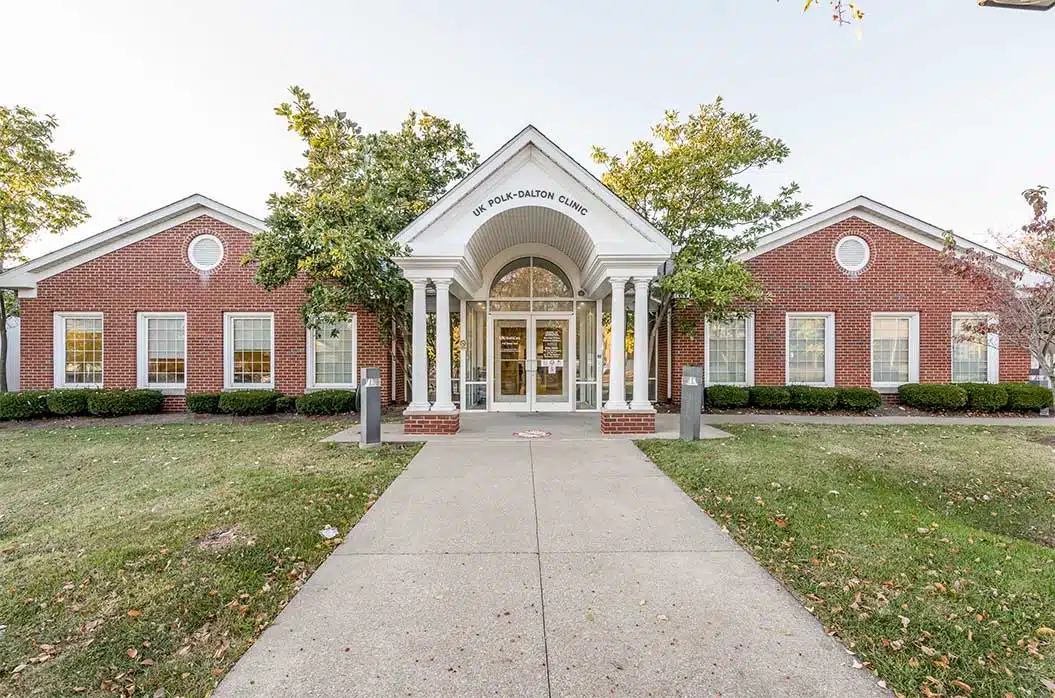
The PATHways Program at UK Healthcare in Lexington, KY, offers a thorough outpatient treatment approach for individuals dealing with substance use, co-occurring disorders, and trauma. This facility has a particular focus on issues such as intimate partner violence and sexual abuse, providing customized programs specifically designed for adult and senior women. Utilizing a variety of methods, including 12-step facilitation, brief interventions, and cognitive behavioral therapy, the center prioritizes personalized care for each client. Their services encompass outpatient treatment options like methadone, buprenorphine, or naltrexone, along with regular outpatient therapy sessions. At PATHways Program UK Healthcare, the goal is to deliver compassionate and high-quality care that empowers clients on their recovery journey.
Pathways Wholeness Center
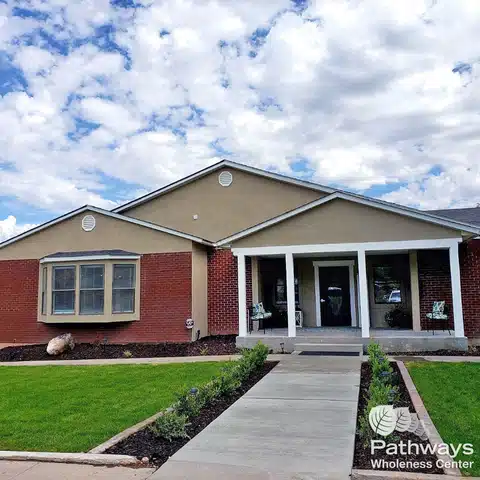
Pathways Wholeness Center, situated in Glenwood, UT, presents an extensive array of rehabilitation services. This facility specializes in residential detoxification, around-the-clock residential care, and short-term residential treatment designed for both adults and young adults grappling with substance use disorders and accompanying mental health challenges. Additionally, the center offers tailored programs for active duty military personnel, as well as specific ones for adult men and women, allowing them to customize their approach according to each person's distinct needs. By employing evidence-based methods such as 12-step facilitation, anger management, and brief interventions, Pathways Wholeness Center is committed to delivering high-quality, individualized care to clients of all genders who are on their journey to recovery.

Pathways of Arizona LLC
Located in Yuma, AZ, Pathways of Arizona LLC provides outpatient treatment for substance use, with a strong emphasis on addressing co-occurring mental health issues in adults and emotional disturbances in children. The center offers consistent outpatient care through a variety of methods, including cognitive behavioral therapy, anger management, and brief intervention techniques. Additionally, they have specialized programs designed for adolescents as well as adult men and women, serving both genders among adults and seniors. With customized treatment plans and a commitment to quality care, this facility stands out as a trustworthy option for those seeking thorough rehabilitation services in the Yuma community.

Pathways to a Better Life
Pathways to a Better Life, situated in Kiel, WI, provides a wide range of rehabilitation services tailored for adults and young adults grappling with substance use disorders alongside co-occurring mental health challenges. The facility offers hospital inpatient detoxification and treatment, featuring specialized programs designed for adult men, women, and those who have faced intimate partner violence. Emphasizing 12-step facilitation, anger management, and brief interventions, this center serves both male and female clients. At Pathways to a Better Life, there is a strong commitment to delivering high-quality care, empowering individuals on their journey toward lasting recovery and enhancing their overall well-being.

Pathways to Life Inc
Pathways to Life Inc, located in Greenville, NC, provides a variety of evidence-based treatment programs aimed at addressing substance use disorders and co-occurring mental health issues for both adults and children. The center offers several treatment options, including intensive outpatient care, outpatient services, and medication-assisted treatments. With a focus on personalized care, they incorporate techniques such as cognitive behavioral therapy, motivational interviewing, and relapse prevention strategies to meet the unique needs of each individual. This facility is particularly attentive to different groups, offering specialized programs for adolescents, adult men, and women, thereby catering to a diverse population. Pathways to Life Inc serves adults and seniors of all genders, emphasizing high-quality care and tailored treatment plans designed to support each person's recovery journey.

Pathways Inc
Pathways Inc, situated in West Liberty, KY, delivers a wide range of outpatient treatment options for substance use disorders, serving both adults and children who also face mental health challenges. The facility features tailored programs specifically designed for adolescents and those with dual diagnoses. Their treatment methods encompass anger management, cognitive behavioral therapy, and brief interventions. Pathways Inc welcomes clients of all genders, including seniors, and provides outpatient options for methadone, buprenorphine, or naltrexone. With a commitment to high-quality care and personalized treatment plans, this facility stands out as a reliable resource for individuals seeking effective rehabilitation services.
Pathways of Arizona LLC
Pathways of Arizona LLC, situated in Tucson, AZ, specializes in outpatient treatment for both substance use and co-occurring disorders affecting adults and children. The facility utilizes evidence-based methods, including brief interventions, cognitive behavioral therapy, and motivational interviewing, to provide consistent outpatient care. They offer specialized programs designed for adolescents as well as adult men and women. Catering to adults and seniors of all genders, Pathways of Arizona LLC is dedicated to delivering quality care that emphasizes personalized treatment plans. Their commitment to understanding and meeting the individual needs of each client highlights this center's compassionate and thorough approach to rehabilitation.

Pathways Inc
Situated in Grayson, KY, Pathways Inc is committed to providing exceptional substance use treatment and transitional housing services. This facility is dedicated to addressing co-occurring substance use disorders in adults, while also tackling serious mental health challenges and emotional disturbances in children. Their program encompasses a range of therapeutic approaches, including 12-step facilitation and anger management strategies, and it offers long-term residential care, with particular attention to female adults, pregnant or postpartum women, seniors, and young adults. Known for its high-quality care and tailored programs for women, Pathways Inc has established itself as a reliable choice for thorough rehabilitation services.
Pathways Inc
Pathways Inc, situated in Owingsville, KY, offers a wide range of outpatient treatments for substance use, catering to both adults and children facing significant mental health challenges. The center features tailored programs specifically designed for adolescents and those dealing with co-occurring disorders. Clients can access various treatment options, including anger management, brief intervention, and cognitive behavioral therapy. Additionally, Pathways Inc provides outpatient services for methadone, buprenorphine, or naltrexone treatment. With a dedication to high-quality care, this facility serves adults and seniors of all genders, helping clients navigate their recovery journeys.
Pathways Inc
Located in Mount Sterling, KY, Pathways Inc provides a wide range of services for substance use treatment, along with specialized support for those grappling with co-occurring mental health challenges. They offer customized programs that feature intensive outpatient care, outpatient services, and medication-assisted treatment, all aimed at fostering lasting recovery. By employing evidence-based methods such as cognitive behavioral therapy and anger management strategies, this facility creates a caring atmosphere for both adults and seniors. Additionally, they prioritize the needs of adolescents, clients with dual diagnoses, and individuals in the forensic population, ensuring that all genders receive personalized attention. Discover effective interventions and top-notch care at this premier rehabilitation center.
Pathways Inc
Pathways Inc, situated in Morehead, KY, specializes in offering targeted substance use treatment programs for adults who are dealing with serious mental health challenges, as well as emotional disturbances in children. The center prioritizes intensive outpatient care, alongside outpatient treatment options such as methadone, buprenorphine, or naltrexone. Their comprehensive support system encompasses various strategies including 12-step facilitation, anger management, and brief intervention. Additionally, Pathways Inc is committed to helping adolescents and individuals who have experienced intimate partner violence, domestic violence, or sexual abuse. With a focus on serving adults and seniors of all genders, this facility aims to provide high-quality, personalized care that meets the diverse needs of each individual.
Pathways Inc
Pathways Inc, located in Ashland, KY, provides a variety of outpatient treatment options aimed at addressing substance use and co-occurring mental health disorders. Their services encompass anger management, cognitive behavioral therapy, and brief interventions tailored to meet the needs of their clients. This facility stands out for its dedicated approach to both adult men and women, as well as those who have faced intimate partner violence. By focusing on individuals of all ages, including children and adolescents, Pathways Inc supports a wide range of clients. The center also features outpatient treatment options using methadone, buprenorphine, or naltrexone, offering thorough and effective care for anyone on their path to recovery. Pathways Inc is dedicated to providing high-quality, personalized treatment, making it an essential resource for individuals seeking help with addiction rehabilitation services.
Pathways Mental Health Services
Pathways Mental Health Services, based in Olympia, WA, provides outpatient treatment aimed at addressing substance use and co-occurring disorders for both adults and children. This center has particular expertise in anger management, brief intervention techniques, and cognitive behavioral therapy. It also features specialized programs designed specifically for adolescents, as well as services tailored to adult men and women. At this facility, individuals of all genders, including adults and seniors, can expect personalized care that meets their unique needs. With an emphasis on dual diagnosis and overall emotional health, Pathways Mental Health Services has earned a reputation as a reliable choice for those in the Olympia area looking for effective and comprehensive rehabilitation programs.
Pathways of Tennessee Inc
Pathways of Tennessee Inc, situated in Union City, TN, provides outpatient treatment for adults dealing with substance use issues, including those who also face serious mental health challenges. Additionally, the center offers dedicated services for children and adolescents grappling with significant emotional disturbances. By employing various techniques such as anger management, cognitive behavioral therapy, and motivational interviewing, the facility customizes treatment plans specifically for each person. Committed to delivering high-quality care, Pathways of Tennessee Inc takes a gender-specific approach to treatment, addressing the needs of both males and females. If you're looking for a personalized, evidence-based treatment experience, the individualized programs at this center may be just what you need.
Pathways of Tennessee Inc
Pathways of Tennessee Inc, located in Jackson, TN, provides a wide array of addiction treatment services tailored for both adults and children/adolescents. This center is particularly skilled in detoxification, addressing substance use, and offering programs designed for those facing co-occurring mental health challenges. Their services include hospital inpatient detoxification, round-the-clock hospital inpatient care, and intensive outpatient treatment. To support recovery, Pathways of Tennessee Inc employs various effective methods, such as anger management, cognitive behavioral therapy, and motivational interviewing. They serve both male and female clients and are committed to providing high-quality care that empowers individuals on their recovery journey.
Pathways of Tennessee Inc
Located in Brownsville, TN, Pathways of Tennessee Inc specializes in outpatient substance use treatment for adults grappling with serious mental health issues alongside children facing significant emotional disturbances. Their standard outpatient program features essential components like anger management, motivational interviewing, and strategies for preventing relapse. Prioritizing individualized care, this facility serves both adults and children/adolescents, regardless of gender. What sets Pathways of Tennessee Inc apart is their commitment to a personalized approach, ensuring that every individual receives the attention they need. If you’re in search of top-notch addiction treatment encompassing a broad spectrum of services, this center offers a nurturing environment conducive to recovery.
Pathways to a Better Life LLC
Pathways to a Better Life LLC, located in Waldo, WI, is dedicated to providing a wide array of services aimed at helping individuals on their recovery journeys. This facility features hospital inpatient detoxification and treatment specifically designed for adults facing substance use issues along with co-occurring serious mental health challenges. With programs tailored for both adult men and women, as well as those impacted by intimate partner violence, the center places a strong emphasis on personalized care. Their approach incorporates various techniques, including 12-step facilitation and anger management, all geared toward promoting holistic healing. Catering to adults and young adults of all genders, Pathways to a Better Life LLC is committed to offering quality, individualized treatment to assist individuals as they strive for a better future.
Pathways to Life
Pathways to Life, situated in Charlotte, NC, provides thorough substance use treatment for both adults and children dealing with serious mental health issues alongside their substance use challenges. The center offers a range of services, including intensive outpatient, outpatient, and regular outpatient treatment, all grounded in evidence-based methods such as cognitive behavioral therapy, motivational interviewing, and relapse prevention strategies. With tailored programs designed specifically for adolescents, as well as adult men and women, Pathways to Life serves a broad spectrum of individuals. By welcoming adults and seniors of all genders, this facility emphasizes personalized care and support, guiding clients on their path to recovery.
Pathways to Life Inc
Pathways to Life Inc, located in Selma, NC, provides a wide variety of substance use treatment programs for both adults and children who also face mental health challenges. This facility offers intensive outpatient, outpatient, and regular outpatient treatment options, all grounded in evidence-based methods like cognitive behavioral therapy, motivational interviewing, and relapse prevention strategies. They also have specialized programs designed for adolescents, as well as individuals who have faced intimate partner violence, domestic violence, or sexual abuse. Committed to personalized care, Pathways to Life serves adults and seniors of all genders, ensuring they receive compassionate and effective rehabilitation services.
Pathways to Life Inc
Nestled in Durham, NC, Pathways to Life Inc specializes in an array of rehabilitation services. The facility offers intensive outpatient programs, regular outpatient care, and outpatient treatment specifically designed for adults dealing with substance use and serious mental health issues, as well as emotional challenges in children. Utilizing evidence-based methods, the programs incorporate cognitive behavioral therapy, motivational interviewing, and relapse prevention strategies. Pathways to Life Inc serves adolescents, adult men, and adult women, providing customized programs to meet the unique needs of each group. With a strong emphasis on supporting adults and seniors of all genders, the center is dedicated to delivering high-quality care and creating individualized treatment plans aimed at promoting long-term recovery.
About Dual Diagnosis Treatment
Dual diagnosis—also called co-occurring disorders—refers to having both a mental health condition and a substance use disorder. At Penn Spine and Rehab, we specialize in helping individuals find integrated treatment programs that address both conditions for comprehensive healing.
Why Integrated Treatment Matters
Research consistently shows that treating mental health and substance use disorders together produces better outcomes than treating them separately. When one condition goes untreated, it often triggers relapse in the other.
Common co-occurring mental health conditions include:
- Depression
- Anxiety Disorders
- Post-Traumatic Stress Disorder (PTSD)
- Bipolar Disorder
- Personality Disorders
- ADHD
What to Look for in a Program
Quality dual diagnosis programs typically offer:
- Integrated Assessment: Comprehensive evaluation of both conditions
- Psychiatric Services: On-site psychiatrists for medication management
- Evidence-Based Therapies: CBT, DBT, and other proven approaches
- Coordinated Care: Mental health and addiction professionals working together
- Comprehensive Aftercare: Ongoing support for both conditions
Levels of Care
The appropriate level of care depends on symptom severity and stability. Residential treatment is often recommended for acute symptoms, while partial hospitalization (PHP) or intensive outpatient (IOP) may be appropriate for those with more stable conditions.
Causes & Risk Factors for Dual Diagnosis
Dual Diagnosis develops through a combination of genetic, environmental, and psychological factors. Understanding these risk factors can help identify who may be vulnerable and support early intervention.
- •Self-medication — using substances to cope with untreated mental health symptoms
- •Shared genetic vulnerability — overlapping hereditary risk factors for both conditions
- •Common brain pathways — both affect dopamine, serotonin, and stress response systems
- •Childhood trauma and adverse experiences (ACEs) — risk factor for both conditions
- •Substance-induced mental health changes — chronic use can trigger anxiety, depression, psychosis
- •Environmental stressors — poverty, isolation, lack of access to mental health care
- •Disrupted brain development — adolescent substance use during critical periods
Dual Diagnosis Statistics
US adults with both mental illness and substance use disorder
Source: SAMHSA
Of people with severe mental illness also have substance use disorder
Source: NAMI
Of people with alcohol use disorder have at least one mental illness
Source: JAMA
Of people with drug use disorder have at least one mental illness
Source: JAMA
Higher relapse rate when only one condition is treated
Source: SAMHSA
Of people in SUD treatment also meet criteria for a mental health disorder
Source: NIDA
Co-Occurring Conditions
Dual Diagnosis frequently occurs alongside other mental health and substance use conditions. Integrated dual diagnosis treatment addresses all conditions simultaneously for better outcomes.
Depression
The most common mental health condition paired with substance use disorders
Anxiety Disorders
Generalized anxiety, panic disorder, and social anxiety frequently co-occur with addiction
PTSD
Trauma and addiction are deeply intertwined — up to two-thirds of people in SUD treatment report trauma
Bipolar Disorder
Over 50% of people with bipolar disorder experience substance use disorder in their lifetime
Alcohol Addiction
Alcohol is the most commonly misused substance among people with mental health conditions
What to Expect in Dual Diagnosis Treatment
Comprehensive Assessment (Days 1-3)
Thorough evaluation of both mental health and substance use — psychiatric interview, addiction history, medical exam, psychological testing. This determines both diagnoses and creates a unified treatment plan.
Stabilization & Detox (Days 3-10)
Medical detox if needed, alongside psychiatric stabilization. Medication management begins for mental health symptoms. Crisis stabilization for acute psychiatric issues.
Integrated Intensive Treatment (Weeks 2-8)
Simultaneous treatment: addiction counseling + psychiatric therapy. CBT, DBT, or trauma-focused therapy. Medication optimization. Group therapy with peers who have co-occurring disorders.
Skills Building & Relapse Prevention (Weeks 8-12)
Develop coping strategies for both conditions. Identify triggers for both mental health episodes and substance use. Family education. Build recovery community.
Continuing Care (Ongoing)
Step-down to outpatient with continued psychiatric medication management. Regular therapy sessions. Peer support groups. Crisis planning for both conditions.
Frequently Asked Questions About Dual Diagnosis Treatment
Resources & Sources
The information on this page is based on peer-reviewed research and authoritative health organizations. Always consult a healthcare professional for medical advice.
Medical Disclaimer: This content is for informational purposes only and does not constitute medical advice. Always seek the guidance of a qualified healthcare provider for diagnosis and treatment. If you or someone you know is in crisis, call 911 or the SAMHSA National Helpline at 1-800-662-4357 (free, confidential, 24/7).