Detoxification Treatment Centers
Medical detoxification provides around-the-clock medical supervision during the withdrawal process from drugs or alcohol. Medical staff monitor vital signs, manage withdrawal symptoms with appropriate medications, and ensure patient safety and comfort during this critical first step in recovery.
Found 2,256 detoxification treatment centers across the United States.
Need Help Finding the Right Treatment?
Browse our directory or call to discuss treatment options.
Showing 20 of 2256 detoxification treatment centers
Metro Treatment of Florida LP
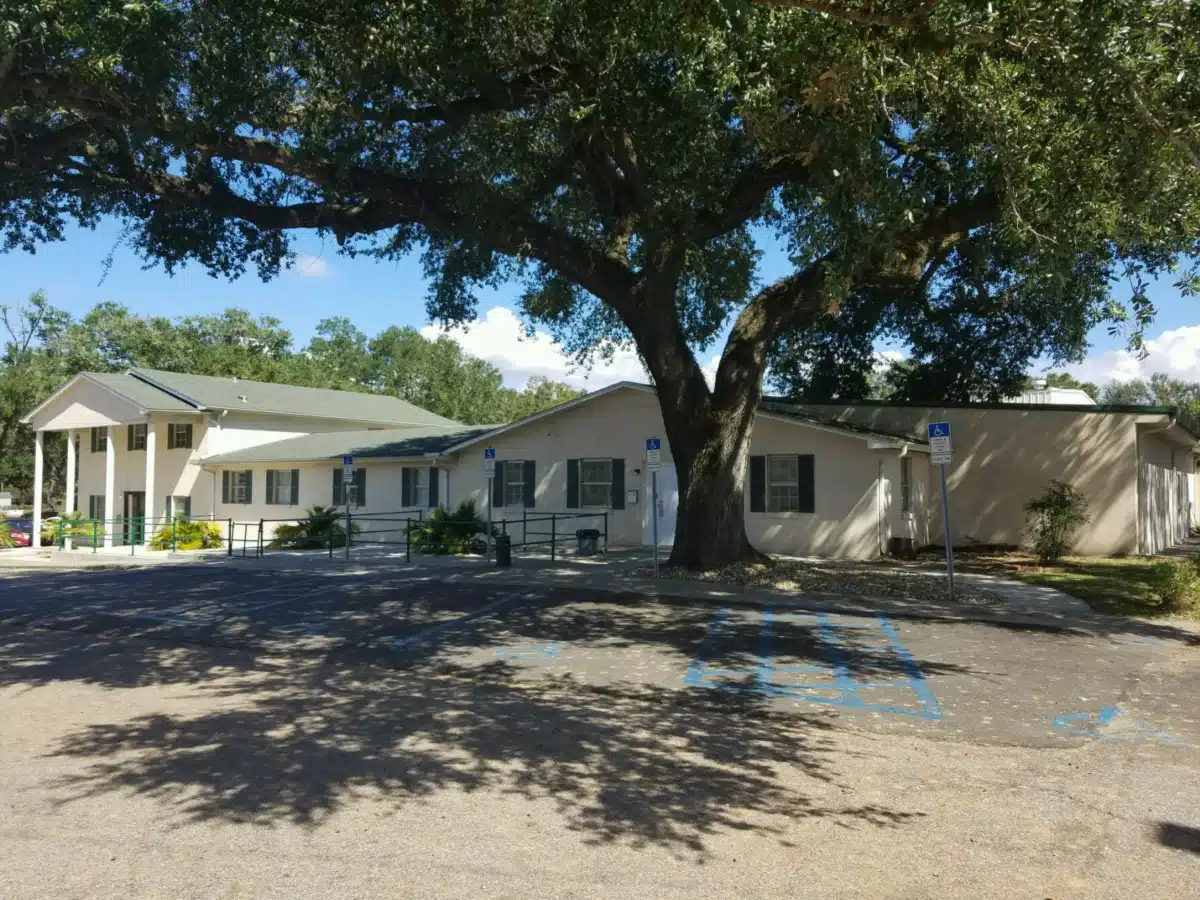
Located in West Palm Beach, FL, Metro Treatment of Florida LP provides outpatient detoxification and substance use treatment for both adults and young adults. The facility has a strong focus on addressing co-occurring substance use disorders alongside serious mental health issues for adults, as well as significant emotional disturbances for children. Employing techniques such as 12-step facilitation, anger management, and brief intervention, the center is dedicated to delivering quality care that is customized to meet individual needs. Moreover, they offer specialized programs designed for adult men and women, as well as services for clients who have faced intimate partner violence, ensuring a broad range of support for diverse populations. Metro Treatment of Florida LP is open to both male and female clients who are searching for comprehensive addiction treatment services within a nurturing outpatient environment.
Metro Treatment of Florida LP
Metro Treatment of Florida LP, located in Hollywood, FL, provides outpatient detoxification alongside various substance use treatment programs. These include services such as outpatient methadone, buprenorphine, and naltrexone treatments. The facility excels in offering specialized care for pregnant and postpartum women, and it also features tailored programs for adults and young adults, regardless of gender. To ensure a well-rounded support system, the center employs strategies like 12-step facilitation, anger management, and brief intervention. This approach allows for comprehensive support for those on their recovery journey. Committed to delivering high-quality care and personalized treatment plans, Metro Treatment of Florida LP is focused on guiding clients toward achieving lasting sobriety and overall wellness.
Metro Treatment of Texas LP
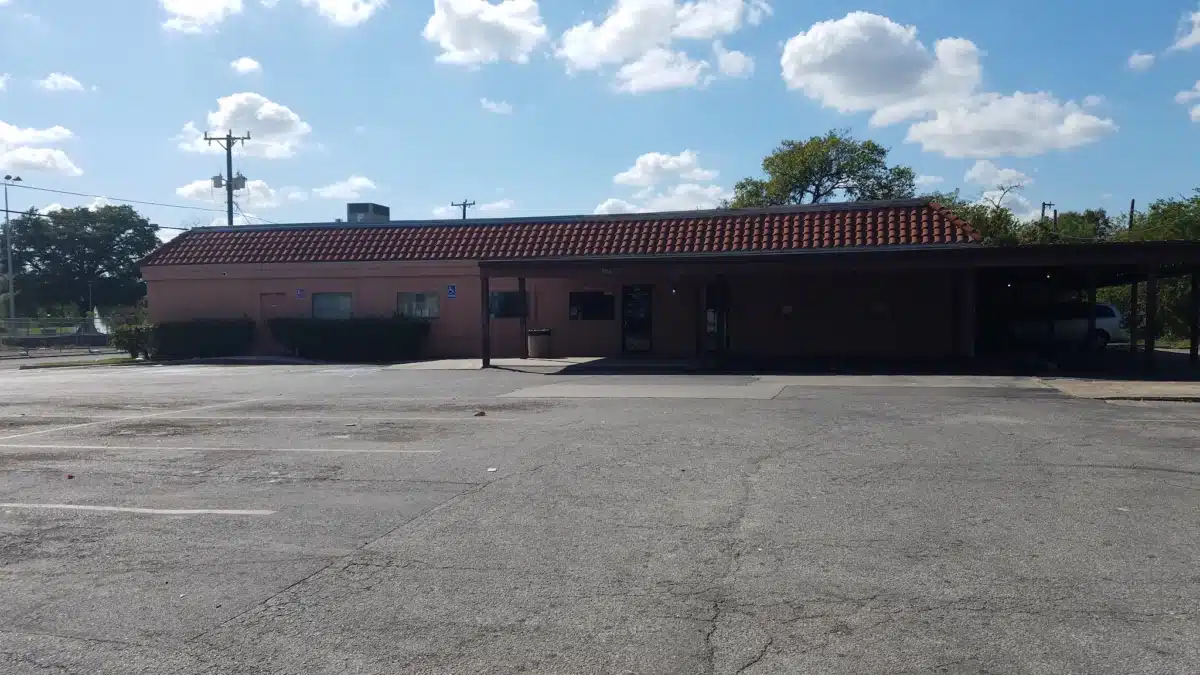
Located in San Antonio, TX, Metro Treatment of Texas LP provides outpatient detoxification and substance use treatment services tailored for both adults and young adults. The facility offers outpatient options for methadone, buprenorphine, and naltrexone, all grounded in evidence-based practices such as anger management, brief interventions, and cognitive behavioral therapy. They have a unique focus on supporting active duty military members, individuals affected by intimate partner violence, those who have experienced domestic violence, and survivors of sexual abuse. The center features customized programs that cater to both male and female clients alike. With a strong emphasis on quality care and specialized support, their mission is to help individuals achieve lasting recovery and enhance their overall well-being.
Metro Treatment of Texas LP
Metro Treatment of Texas LP, located in San Antonio, TX, provides essential outpatient detoxification and substance use treatment for both adults and young adults. The center has a particular focus on addressing co-occurring substance use disorders alongside serious mental health conditions in adults, as well as serious emotional disturbances in children. Utilizing cognitive behavioral therapy, anger management techniques, and brief interventions, the facility designs personalized care plans to effectively meet the unique needs of each individual. They offer specialized programs for adult men and women, ensuring that all clients receive comprehensive support tailored to their circumstances. At Metro Treatment of Texas LP, the emphasis is on delivering high-quality care. The center administers outpatient treatments involving methadone, buprenorphine, or naltrexone for both male and female clients.
Michaels House
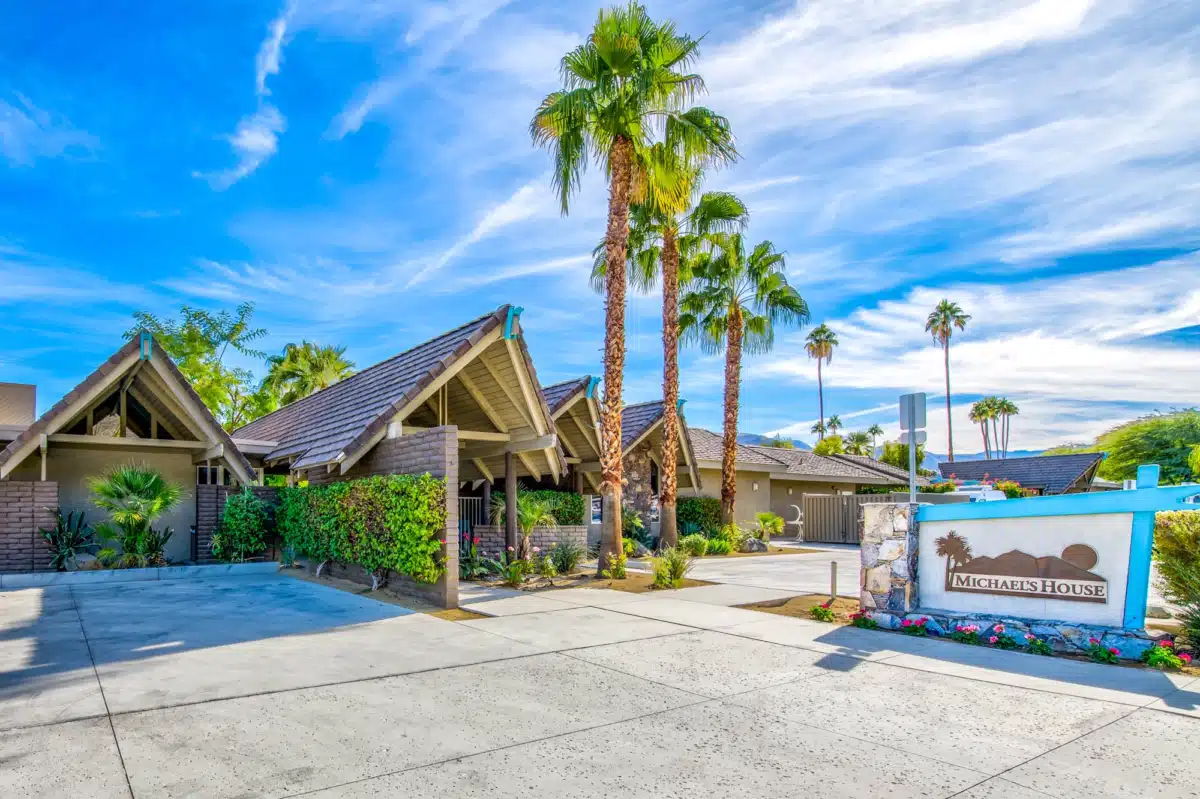
Located in Palm Springs, CA, Michael's House provides an extensive range of rehabilitation services for both adults and young adults facing substance use disorders alongside mental health challenges. The center specializes in hospital inpatient detoxification and treatment, offering targeted programs for adult men, adult women, and those who have gone through trauma. Emphasizing techniques such as 12-step facilitation, anger management, and brief intervention strategies, the facility is committed to delivering personalized care that meets each client's unique requirements. Catering to both male and female clients, Michael's House ensures high-quality treatment within a nurturing atmosphere, aimed at supporting patients on their journey to lasting recovery.

Mid Coast/Parkview Health
Mid Coast/Parkview Health, located in Brunswick, ME, delivers comprehensive addiction treatment services specifically designed for adults and seniors. The facility offers a range of services, including detoxification, substance use treatment, and targeted care for individuals dealing with both addiction and mental health challenges. Treatment options available at the center encompass intensive outpatient programs alongside outpatient detoxification. They employ evidence-based methods such as cognitive behavioral therapy and motivational incentives to enhance recovery efforts. Mid Coast/Parkview Health has tailored programs that cater to adult men, women, and clients facing co-occurring disorders, ensuring a personalized approach to each patient's needs. With a strong emphasis on quality care and gender-specific programs, this facility has established itself as a reliable option for individuals seeking effective rehabilitation services.
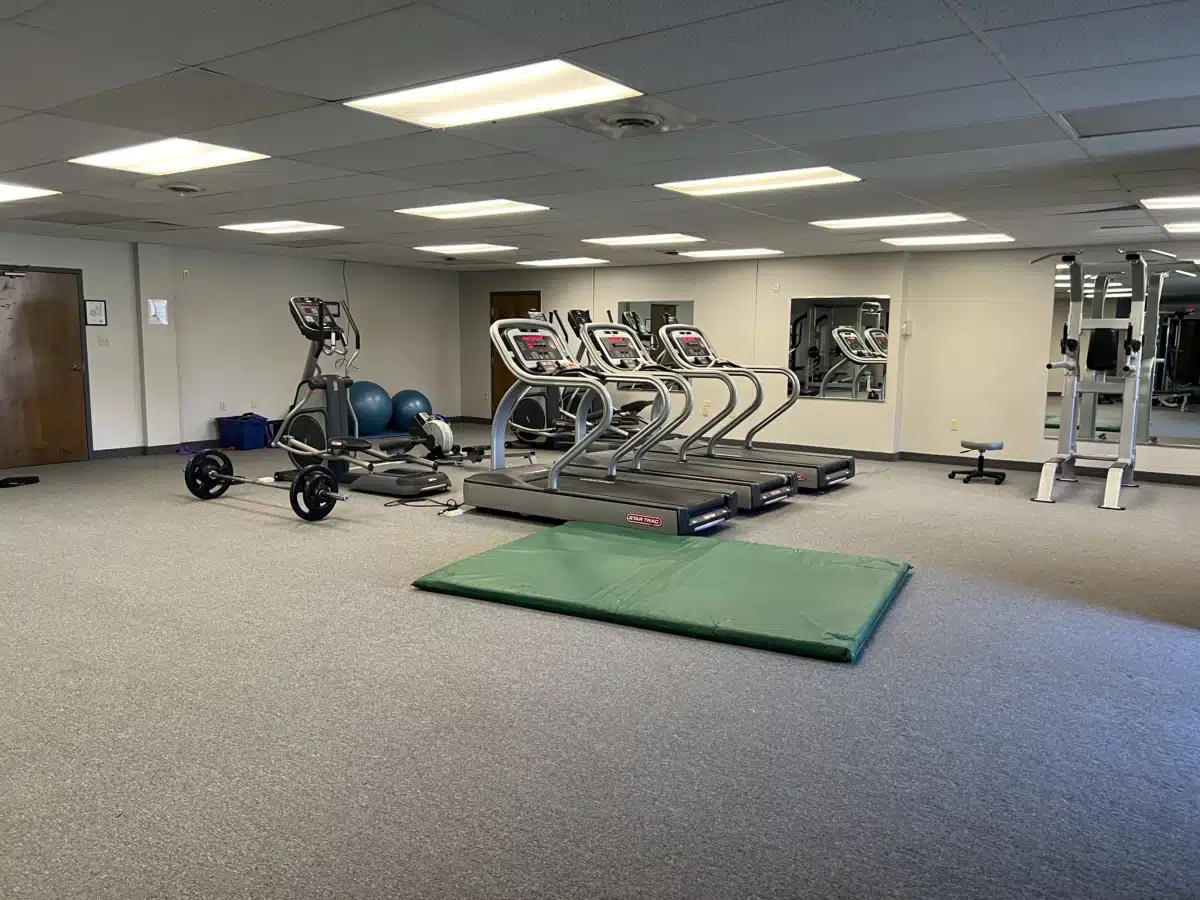
Midwest Center Youngstown
Midwest Center Youngstown, situated in Youngstown, OH, provides a full range of addiction treatment services designed for both adults and young adults. The center offers detoxification, alongside various substance use treatment options and specialized programs crafted to meet each person's unique needs. Emphasizing 12-step facilitation, anger management, and brief interventions, they provide intensive outpatient, outpatient, and regular outpatient treatment formats. One distinguishing feature of Midwest Center Youngstown is its gender-specific programs, which foster a supportive and inclusive atmosphere for both males and females. By prioritizing high-quality care and tailored strategies, the center is committed to helping individuals achieve lasting recovery.

Midwest Detox
Situated in Brookfield, WI, Midwest Detox is dedicated to providing specialized detoxification services within a comfortable residential environment. The center is equipped to deliver around-the-clock care for adults and young adults, regardless of gender. By incorporating methods like 12-step facilitation, anger management, and cognitive behavioral therapy, the facility tailors treatment plans to meet the unique needs of each individual. Midwest Detox is particularly recognized for its emphasis on personalized care, demonstrating a strong commitment to supporting clients in their pursuit of lasting recovery. If you're looking for a thorough detox program that addresses your specific challenges, this facility creates a nurturing atmosphere to kick-start your journey toward sobriety.
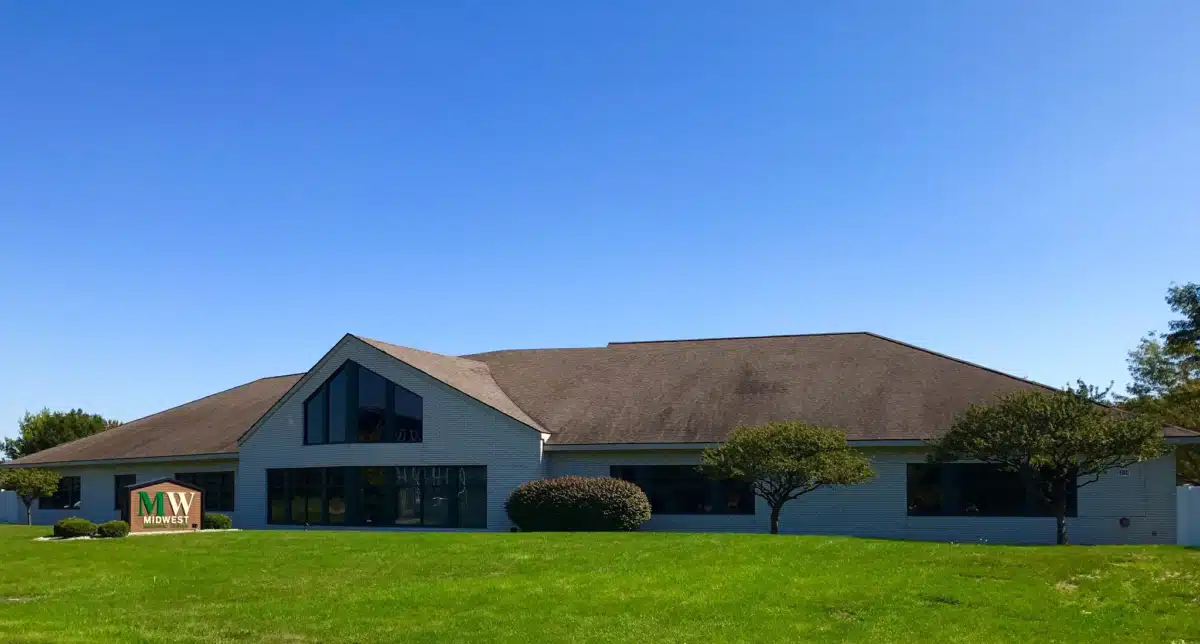
Midwest Detox Center
Located in Maumee, OH, Midwest Detox Center offers a wide range of addiction treatment services tailored for both adults and young adults. Here, you'll find detoxification, substance use treatment, and specialized support for individuals facing co-occurring substance use disorders alongside serious mental health issues in adults or significant emotional challenges in children. The center understands that everyone's needs are different, which is why it provides flexible options including long-term residential, outpatient, and regular outpatient treatment. Additionally, there are targeted programs specifically designed for active duty military members, adult men, and adult women. To ensure each client receives personalized care, the center employs various approaches, including 12-step facilitation, anger management, and brief intervention techniques. In this supportive environment, the focus is not just on recovery but also on fostering overall well-being.
Metro Treatment of Florida LP
Metro Treatment of Florida LP, located in Daytona Beach, FL, specializes in outpatient detoxification and treatment for substance use, catering to both adults and young adults. Their diverse programs incorporate cognitive behavioral therapy, motivational interviewing, and techniques aimed at preventing relapse. Emphasizing personalized care, this facility offers outpatient treatment options with methadone, buprenorphine, or naltrexone. Whether you’re male or female, Metro Treatment of Florida LP distinguishes itself through its customized approach to tackling addiction. If you're looking for high-quality care that prioritizes your individual needs, this center is committed to helping you on your journey to recovery.
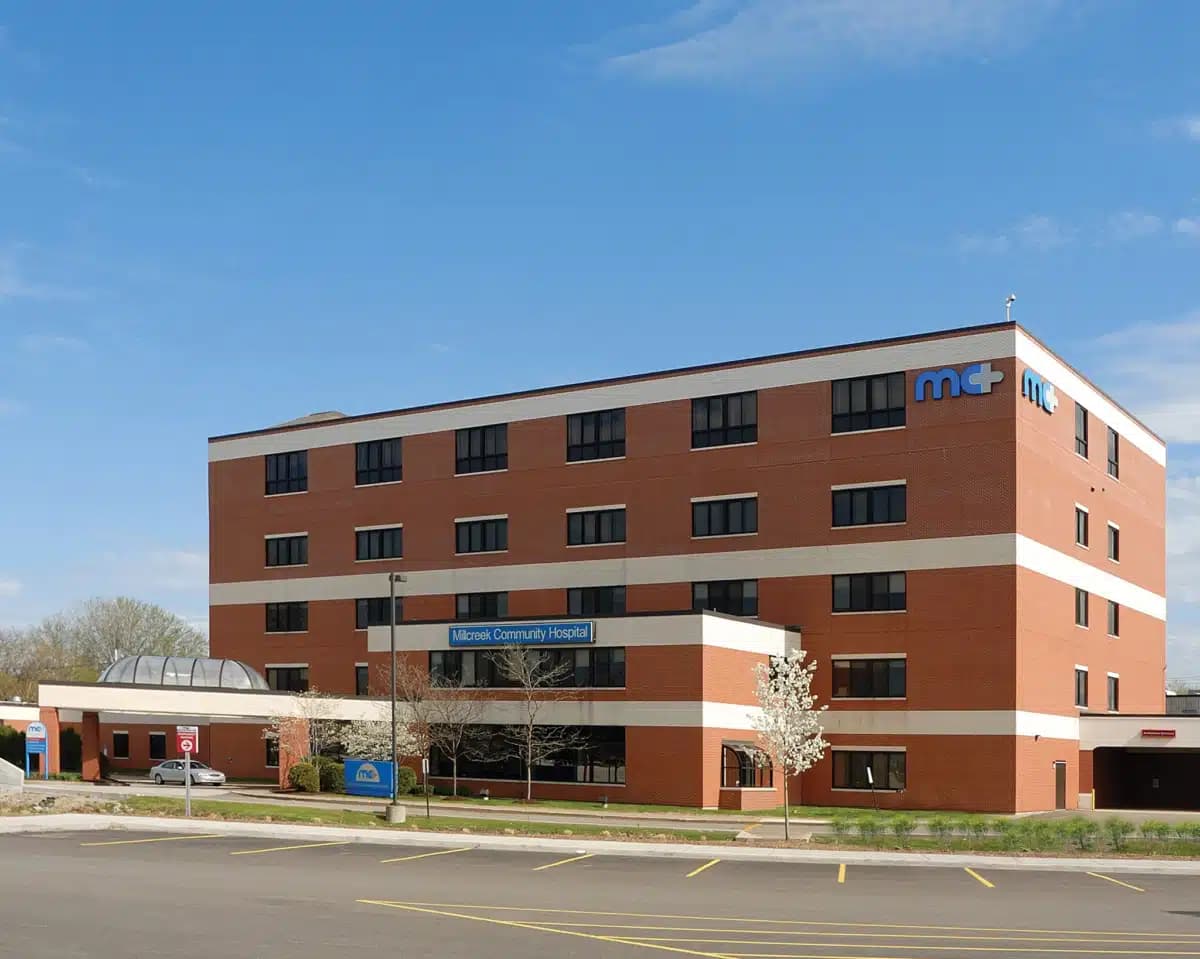
Mill Creek Community Hospital
Located in Erie, PA, Mill Creek Community Hospital offers a wide range of addiction treatment services. The facility provides inpatient detoxification in a hospital setting, 24-hour inpatient care, as well as intensive outpatient programs designed for adults and young adults who are on the path to recovery from substance use disorders. To ensure personalized care, the center employs various therapeutic approaches, including 12-step facilitation, cognitive behavioral therapy, and brief intervention methods. Furthermore, Mill Creek Community Hospital features specialized programs tailored specifically for active duty military personnel, as well as separate treatments for adult men and women, ensuring that care is both gender-specific and age-appropriate. Patients can look forward to receiving high-quality, evidence-based treatment that’s customized to fit their individual needs at this esteemed rehabilitation center.

Metropolitan Rehabilitation Clinics
Located in Oak Park, MI, Metropolitan Rehabilitation Clinics provides a wide array of outpatient services for those in need of detoxification, substance use treatment, and support for co-occurring mental health issues. The facility specializes in outpatient detox, as well as methadone and buprenorphine treatments. Additionally, they offer targeted programs for both adults and young adults facing challenges related to intimate partner violence. With a variety of treatment options that include 12-step facilitation and anger management, the center serves both male and female clients. Metropolitan Rehabilitation Clinics places a strong emphasis on delivering quality care, offering brief interventions that are customized to meet each individual's unique requirements.
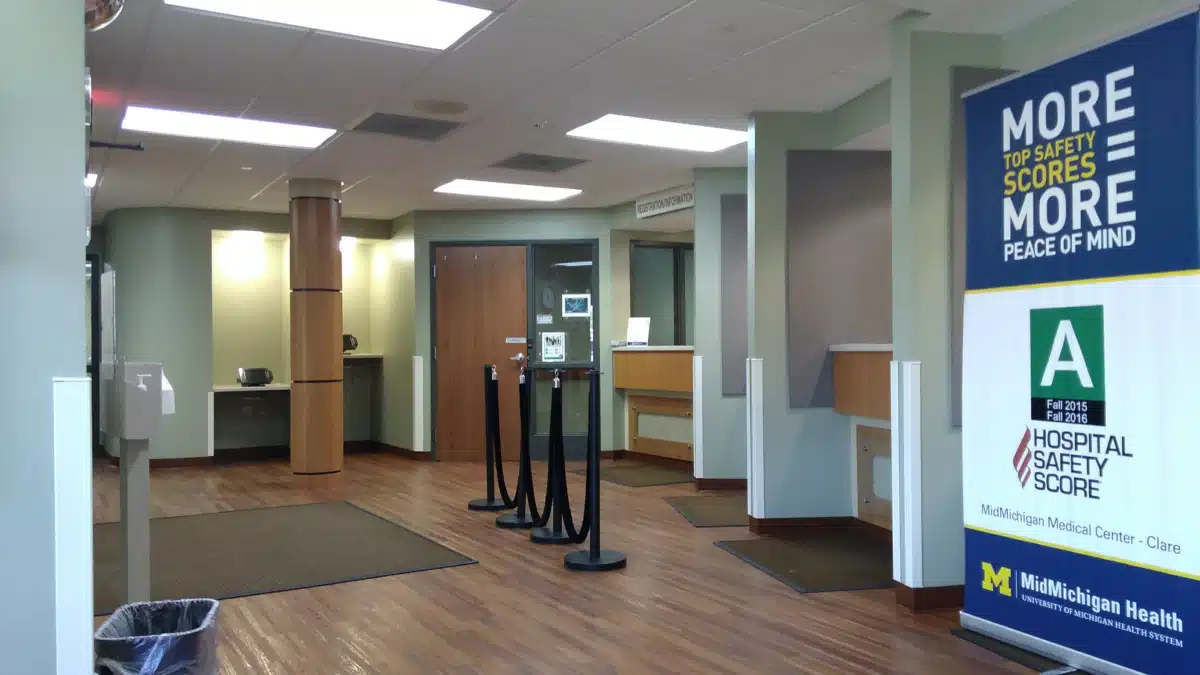
MidMichigan Community Health Services
MidMichigan Community Health Services, located in Houghton Lake, MI, provides a range of outpatient programs that focus on detoxification, substance use treatment, and addressing co-occurring disorders for both adults and children. Their offerings include outpatient detox services, as well as treatment with methadone, buprenorphine, and naltrexone. Various treatment techniques are employed, such as 12-step facilitation, brief intervention, and cognitive behavioral therapy. This center is dedicated to assisting adult men and women, including individuals impacted by intimate partner violence. With a clear emphasis on serving adult and young adult populations, they offer services specifically designed for both genders. The facility takes pride in providing high-quality care and developing personalized treatment plans aimed at fostering recovery.

Milestone Recovery
Situated in Portland, ME, Milestone Recovery delivers an extensive array of addiction treatment services. The center specializes in detoxification and offers both outpatient and residential treatment options. They employ various methods, including 12-step facilitation, cognitive behavioral therapy, and motivational interviewing. Milestone Recovery serves adult men and women, with particular attention to pregnant and postpartum women. Aiming to provide tailored care for both male and female clients, the facility focuses on adult and young adult age groups. With a strong dedication to high-quality treatment and specialized programs, Milestone Recovery is a key resource for individuals seeking effective rehabilitation services.
Mid Plains Center for
Mid Plains Center, located in Grand Island, NE, provides an extensive array of outpatient services dedicated to detoxification, substance use treatment, and addressing co-occurring disorders for both adults and children. This facility employs techniques such as anger management, brief intervention, and motivational interviewing, all designed to deliver personalized care that caters to the unique needs of each client. With tailored programs for adults and seniors of any gender, the center fosters a nurturing environment conducive to recovery. What distinguishes this facility is its commitment to individualized care, focusing on quality treatment strategies aimed at promoting long-term sobriety and overall mental health wellness.
Middle Peninsula/Northern Neck CSB
Located in Tappahannock, VA, the Middle Peninsula/Northern Neck CSB provides a wide variety of addiction treatment services designed specifically for adults and seniors. The facility offers intensive outpatient treatment, as well as outpatient and outpatient detoxification options. With an emphasis on 12-step facilitation, anger management, and brief intervention techniques, the center is well-equipped to support individuals dealing with both mental health issues and substance use disorders. Moreover, the facility specializes in caring for adolescents and individuals facing both pain and substance use challenges, ensuring that both male and female clients receive personalized treatment. With its commitment to high-quality care and a diverse array of treatment choices, this center stands out as an essential resource for those seeking effective rehabilitation in the Tappahannock area.
Middle Peninsula/Northern Neck CSB
Middle Peninsula/Northern Neck CSB, located in Gloucester, VA, provides a wide array of addiction treatment services for both adults and children facing co-occurring mental health challenges. The center features both intensive outpatient and outpatient programs, alongside detoxification services. By incorporating methods like 12-step facilitation and anger management, the facility customizes treatment plans to meet each person's unique needs. Additionally, there are specialized programs designed for adolescents and seniors, as well as for individuals dealing with both pain and substance use disorders, ensuring a well-rounded approach to care. With an emphasis on quality and individualized support, this facility is committed to guiding clients on their path to recovery.

Metro Treatment of Utah LP
Metro Treatment of Utah LP, located in Saint George, UT, provides outpatient detoxification and substance use treatment specifically designed for both adults and young adults. The center prides itself on its individualized approach, incorporating techniques such as anger management, cognitive behavioral therapy, and contingency management/motivational incentives. With a commitment to delivering high-quality care, this facility serves male and female clients alike who are aiming for recovery from addiction. Whether you are in need of detox services or ongoing medication-assisted treatment using methadone, buprenorphine, or naltrexone, this center offers a comprehensive range of support for individuals on their journey to sobriety.
Michiana Behavioral Health
Situated in Plymouth, IN, Michiana Behavioral Health stands out as a leading rehabilitation facility dedicated to providing thorough treatment for detoxification, substance use, and co-occurring mental health issues in both adults and children. The center offers hospital inpatient detox and treatment services that emphasize methods such as 12-step facilitation, cognitive behavioral therapy, and relapse prevention strategies. With distinct programs available for active duty military personnel, as well as adult men and women, Michiana Behavioral Health addresses the needs of a wide variety of individuals. Their commitment to personalized care ensures that adults and young adults seeking recovery find a supportive environment tailored to their needs.
Mid Coast/Parkview Health
Mid Coast/Parkview Health, situated in Damariscotta, ME, provides extensive rehabilitation services aimed at adults and seniors who are facing challenges related to substance use disorders as well as co-occurring mental health conditions. Their offerings encompass detoxification, intensive outpatient treatment, and outpatient detoxification, all grounded in evidence-based methods such as cognitive behavioral therapy and contingency management. With dedicated programs designed for adult men, adult women, and those dealing with co-occurring disorders, the facility is committed to delivering personalized care that addresses each individual's unique needs. The center emphasizes brief interventions and motivational incentives, ensuring that all clients, regardless of gender, receive high-quality and effective support on their path to recovery.
About Detoxification
Medical detoxification is often the essential first step in addiction recovery, providing a safe, medically supervised environment for the body to eliminate substances. At Penn Spine and Rehab, we help you find accredited detox programs that prioritize your safety and comfort.
Why Medical Detox Is Important
Withdrawal from certain substances—particularly alcohol, benzodiazepines, and opioids—can be dangerous or even life-threatening without proper medical supervision. Medical detox provides:
- 24/7 monitoring of vital signs and symptoms
- Medications to manage withdrawal symptoms and cravings
- Prevention and treatment of serious complications
- Comfort measures to reduce physical distress
- Preparation for the next phase of treatment
What to Expect During Detox
Medical detox typically lasts 3-10 days depending on the substance, severity of dependence, and individual factors. Upon admission, you'll receive a comprehensive assessment to develop a personalized detox protocol. Staff will monitor you regularly and adjust medications as needed.
After Detox: Continuing Care
Detox alone is not treatment—it's preparation for treatment. After completing detox, most individuals transition to residential treatment, partial hospitalization, or intensive outpatient care to address the underlying causes of addiction and build recovery skills.
Key Statistics: Detoxification
of patients complete medical detox successfully with proper supervision
Source: SAMHSA
typical duration of medically supervised detoxification
Source: NIDA
reduction in withdrawal complication risk with medical supervision
Source: American Society of Addiction Medicine
of people in detox have co-occurring mental health conditions
Source: SAMHSA
Conditions Best Suited for Detoxification
Alcohol withdrawal can cause seizures and delirium tremens — medical detox is essential
Learn MoreMedication-assisted detox reduces severe withdrawal symptoms safely
Learn MoreGradual medically supervised tapering prevents dangerous withdrawal
Learn MoreMedical monitoring essential when mental health conditions complicate withdrawal
Learn MoreWhat to Expect: Detoxification Process
Intake Assessment
Day 1
Comprehensive medical evaluation, substance use history, vital signs baseline, and personalized detox protocol development.
Acute Withdrawal
Days 1-3
Peak withdrawal symptoms managed with medications, 24/7 monitoring, IV fluids if needed, and comfort care.
Stabilization
Days 3-7
Symptoms gradually decrease, medication adjustments, nutritional support, and beginning to prepare for next treatment phase.
Transition Planning
Days 7-10
Medical clearance, treatment recommendations, and seamless transfer to residential, PHP, or IOP for continued recovery.
Frequently Asked Questions: Detoxification
Resources & Citations
Medical Disclaimer
This information is for educational purposes only and does not constitute medical advice. The appropriate level of care depends on individual circumstances and should be determined through a professional assessment. Always consult a qualified healthcare provider or addiction specialist before making treatment decisions.