12-Step Programs Treatment Centers
12-Step Programs like Alcoholics Anonymous (AA) and Narcotics Anonymous (NA) provide free, peer-led support groups following a structured path to recovery. These programs emphasize spiritual growth, personal accountability, and community support, with millions of members worldwide maintaining long-term sobriety through regular meetings and sponsorship.
Found 11,797 treatment centers offering 12-step programs across the United States.
Need Help Finding the Right Treatment?
Browse our directory or call to discuss treatment options.
Showing 20 of 11797 12-step programs treatment centers

Casa Esperanza Inc
Roxbury, MA

Casa Palmera
Del Mar, CA

Casa Recovery
San Juan Capistrano, CA

Casa Serena
Santa Barbara, CA

Casa Treatment Center
Pasadena, CA
Casa Treatment Center
Pasadena, CA
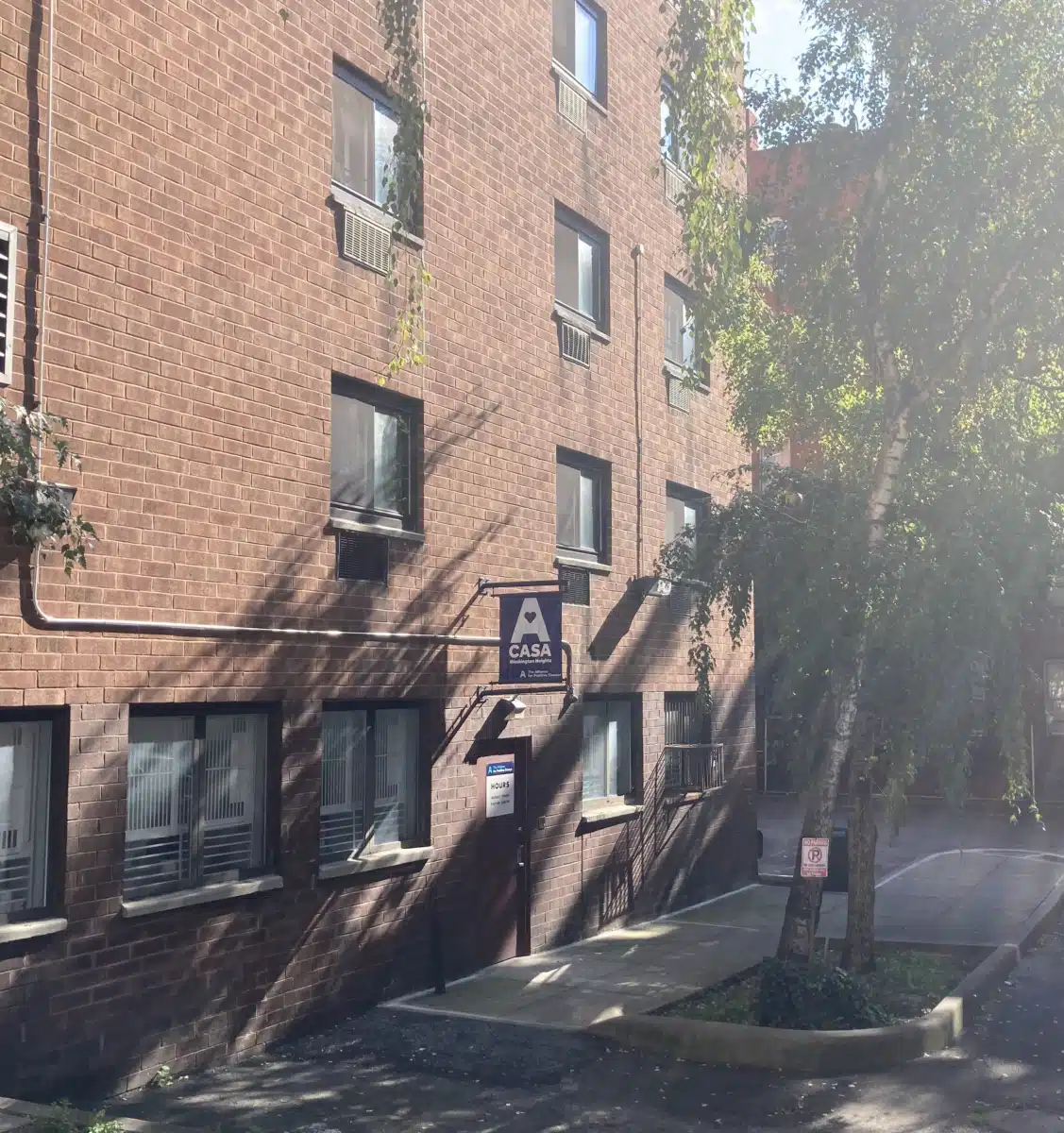
Casa Washington Heights
New York, NY
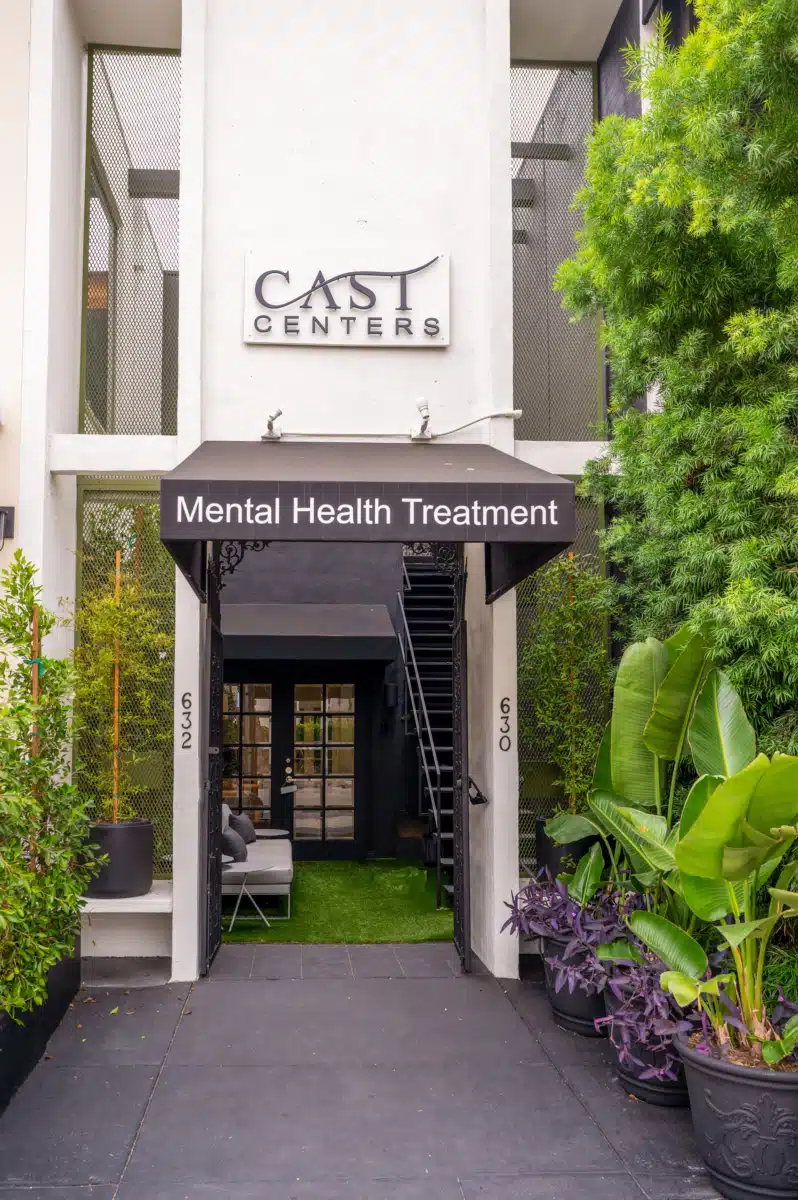
CAST Centers
West Hollywood, CA
Catholic Charities
Hartford, CT
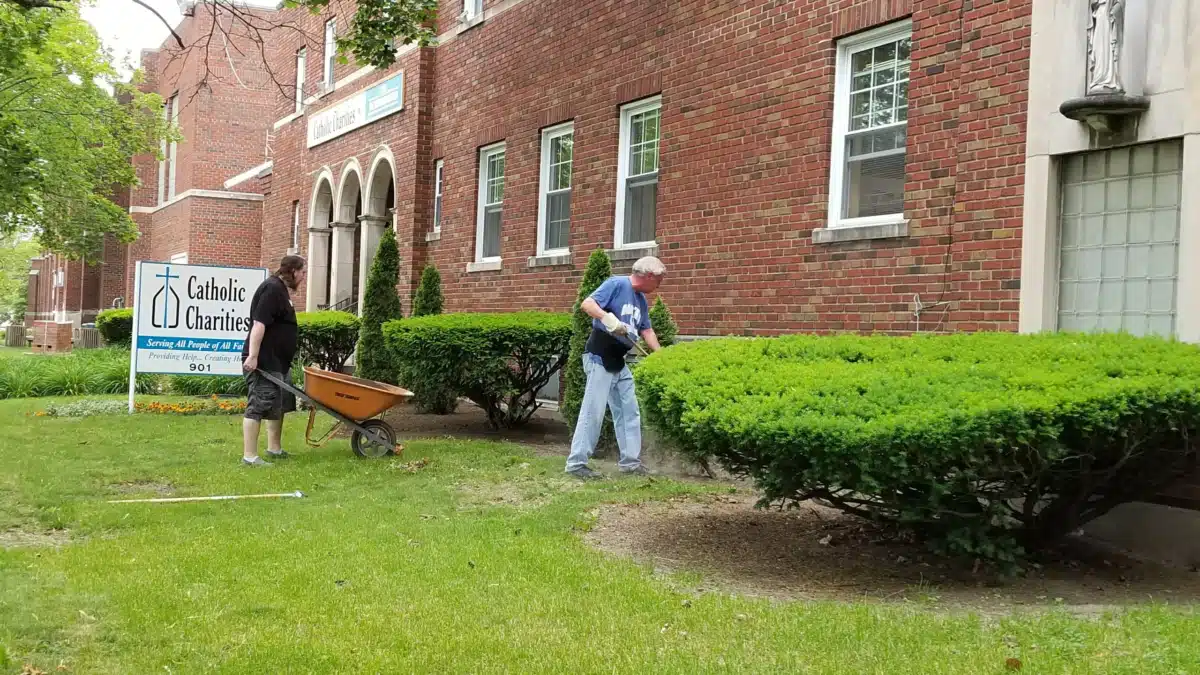
Catholic Charities of Shiawassee and
Flint, MI
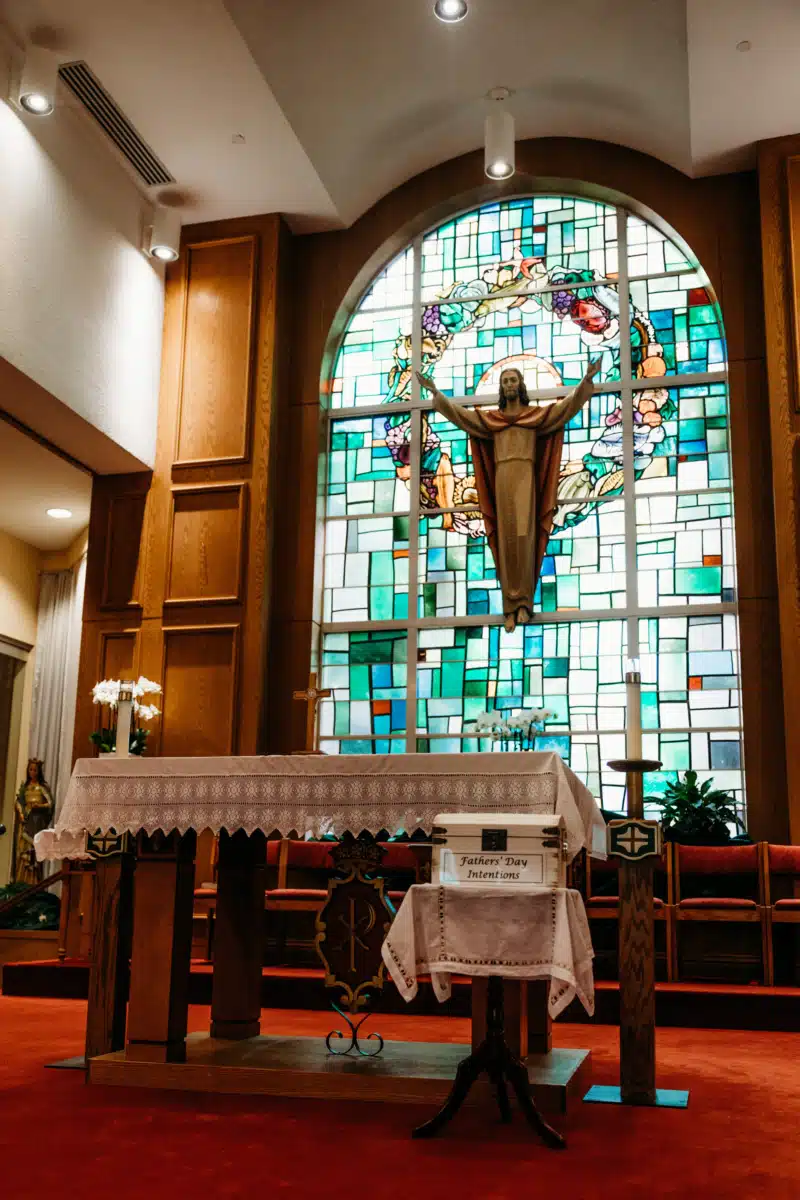
Catholic Charities/Rockville Centre
Hampton Bays, NY
Catholic Community Services
Seattle, WA
Catholic Social Services of
Ann Arbor, MI

Cazenovia Manor
Buffalo, NY

CDT Service Corporation
Loomis, CA

Cedar Mountain Center at
Cody, WY
About 12-Step Programs
12-Step Programs have helped millions of people achieve and maintain long-term sobriety since Alcoholics Anonymous was founded in 1935. These peer-led support groups offer free, accessible recovery support available virtually everywhere.
The 12 Steps
The steps guide individuals through acknowledging powerlessness over addiction, surrendering to a higher power (defined personally), making amends for past harms, and helping others in recovery. While spiritually-oriented, many people successfully work the steps with secular interpretations.
Major 12-Step fellowships include:
- Alcoholics Anonymous (AA): For alcohol addiction
- Narcotics Anonymous (NA): For drug addiction of all types
- Cocaine Anonymous (CA): For cocaine and other stimulants
- Gamblers Anonymous (GA): For gambling addiction
- Al-Anon/Nar-Anon: For family members of those with addiction
Integration with Professional Treatment
Many residential and outpatient programs incorporate 12-step meetings and principles. The combination of professional treatment and ongoing peer support significantly improves long-term outcomes.
Not Right for Everyone
While 12-step programs work well for many, alternatives like SMART Recovery offer science-based, secular options for those who prefer different approaches.
12-Step Programs Key Statistics
Conditions Treated with 12-Step Programs
AA is the original 12-step fellowship, specifically for alcohol addiction
Narcotics Anonymous provides peer support for opioid recovery
Cocaine Anonymous and NA support stimulant recovery
Gamblers Anonymous follows the 12-step model for gambling addiction
Double Trouble in Recovery meetings serve those with co-occurring disorders
What to Expect: 12-Step Programs Treatment Process
First Meeting
Day 1Attend an open meeting, listen to shares, and receive welcome materials and phone numbers
Finding a Home Group
Weeks 1-4Try different meetings to find one where you feel comfortable and connected
Getting a Sponsor
Weeks 2-8Ask someone with solid recovery to guide you through the steps
Working the Steps
Months 3-12+Systematically work through each step with your sponsor at your own pace
Frequently Asked Questions About 12-Step Programs
Resources & Citations
Cochrane Database of Systematic Reviews
National Institute on Drug Abuse
NIAAA Project MATCH
Medical Disclaimer
This information is for educational purposes only and is not a substitute for professional medical advice, diagnosis, or treatment. Always consult with a qualified healthcare provider before starting any treatment program. If you are experiencing a medical emergency, call 911 immediately.