Contingency Management Treatment Centers
Contingency Management (CM) uses tangible rewards to reinforce positive behaviors such as abstinence from substances, attendance at treatment sessions, and medication compliance. Research shows CM is particularly effective for stimulant addiction where no medication options exist, and it significantly improves retention in treatment programs.
Found 658 treatment centers offering contingency management across the United States.
Need Help Finding the Right Treatment?
Browse our directory or call to discuss treatment options.
Showing 20 of 658 contingency management treatment centers

COPE Community Services Inc
Tucson, AZ

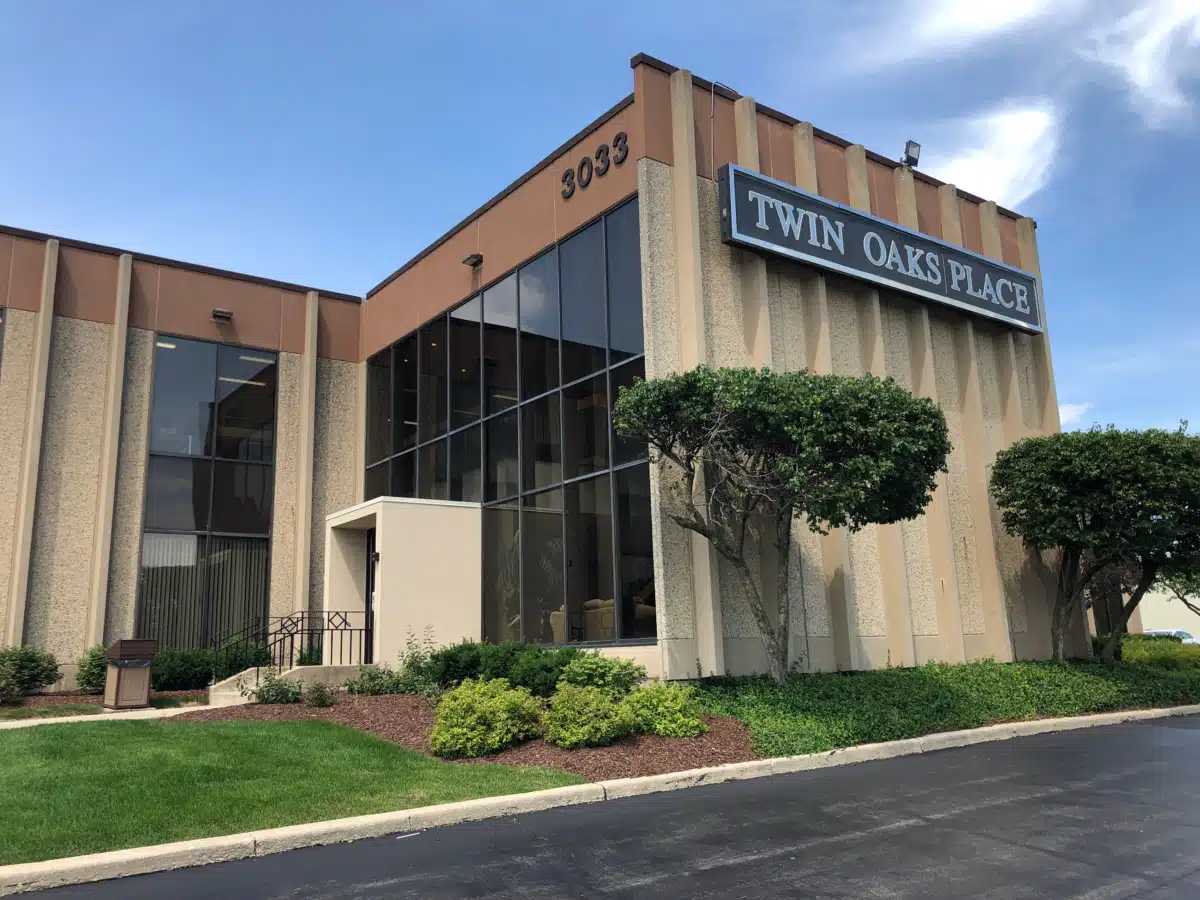

County of Los Angeles
Los Angeles, CA

Crossroads
Scarborough, ME
Crossroads Treatment Centers
Danville, VA

Cumberland Recovery Response Center
Fayetteville, NC

Defining Wellness Centers
Brandon, MS

Denver Womens Recovery
Denver, CO

Desert Sage Youth Wellness Center
Hemet, CA


Elite Primary Care
Las Cruces, NM
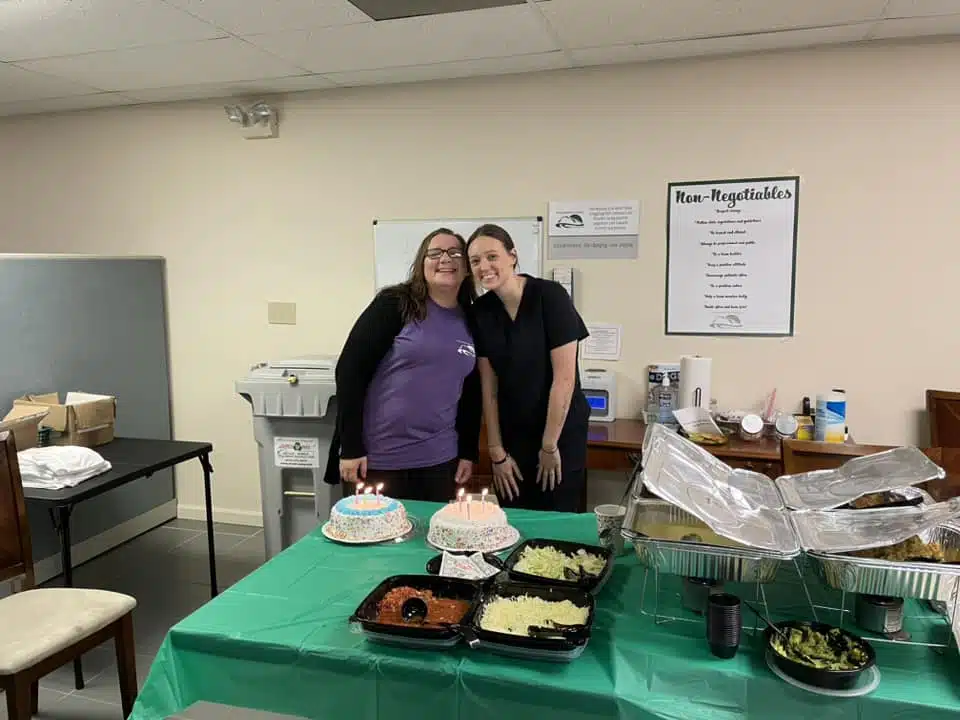
Emmaus Medical and Counseling
Bulls Gap, TN

Esperanza
Chicago, IL
Esperanza
Chicago, IL

Freedom Detox
Gastonia, NC


Gateway Foundation
Downers Grove, IL
Gateway Foundation
Chicago, IL
Gateway Foundation
Skokie, IL
About Contingency Management
Contingency Management is an evidence-based treatment approach that uses positive reinforcement to encourage healthy behaviors. Research shows it's particularly effective for stimulant addiction where medication options are limited.
How Contingency Management Works
CM programs provide tangible rewards for meeting treatment goals. These might include vouchers, prizes, or privileges for achieving milestones like negative drug tests, attending appointments, or completing treatment activities.
Common CM approaches include:
- Voucher-Based Reinforcement: Earning vouchers exchangeable for goods and services
- Prize Incentives: Drawing from prize bowls with varying reward levels
- Privilege-Based Systems: Earning greater freedoms within treatment settings
Research-Backed Effectiveness
Studies consistently show CM improves treatment retention and abstinence rates, especially for cocaine and methamphetamine addiction. Recent research supports its use in treating opioid addiction alongside medication-assisted treatment.
Finding CM Programs
Contingency Management is increasingly available in treatment settings across the country. It's often integrated into intensive outpatient and outpatient programs. Ask prospective treatment centers about their use of incentive-based approaches.
Contingency Management Key Statistics
Conditions Treated with Contingency Management
CM is the most effective treatment for cocaine and methamphetamine addiction
CM improves MAT adherence and treatment retention
Incentives for negative breathalyzer tests support alcohol abstinence
CM provides motivation for abstinence from cannabis
What to Expect: Contingency Management Treatment Process
Enrollment
Week 1Baseline assessment, explanation of the reward system, and agreement on target behaviors
Active Reinforcement
Weeks 2-8Regular monitoring (e.g., urine tests) with immediate rewards for meeting targets
Escalating Incentives
Weeks 8-12Reward values increase with sustained abstinence; resets for any positive tests
Transition
Weeks 12+Gradual tapering of external rewards while reinforcing internal motivation
Frequently Asked Questions About Contingency Management
Resources & Citations
National Institutes of Health
National Institute on Drug Abuse
Medical Disclaimer
This information is for educational purposes only and is not a substitute for professional medical advice, diagnosis, or treatment. Always consult with a qualified healthcare provider before starting any treatment program. If you are experiencing a medical emergency, call 911 immediately.