Medication-Assisted Treatment (MAT) Treatment Centers
Medication-Assisted Treatment (MAT) is considered the gold standard for opioid use disorder and is also effective for alcohol addiction. MAT combines FDA-approved medications like buprenorphine, methadone, or naltrexone with counseling and behavioral therapies, significantly improving treatment outcomes and reducing overdose risk.
Found 5,839 treatment centers offering medication-assisted treatment (mat) across the United States.
Need Help Finding the Right Treatment?
Browse our directory or call to discuss treatment options.
Showing 20 of 5839 medication-assisted treatment (mat) treatment centers

2nd Chance Treatment Center
Gilbert, AZ
2nd Chance Treatment Center
Phoenix, AZ
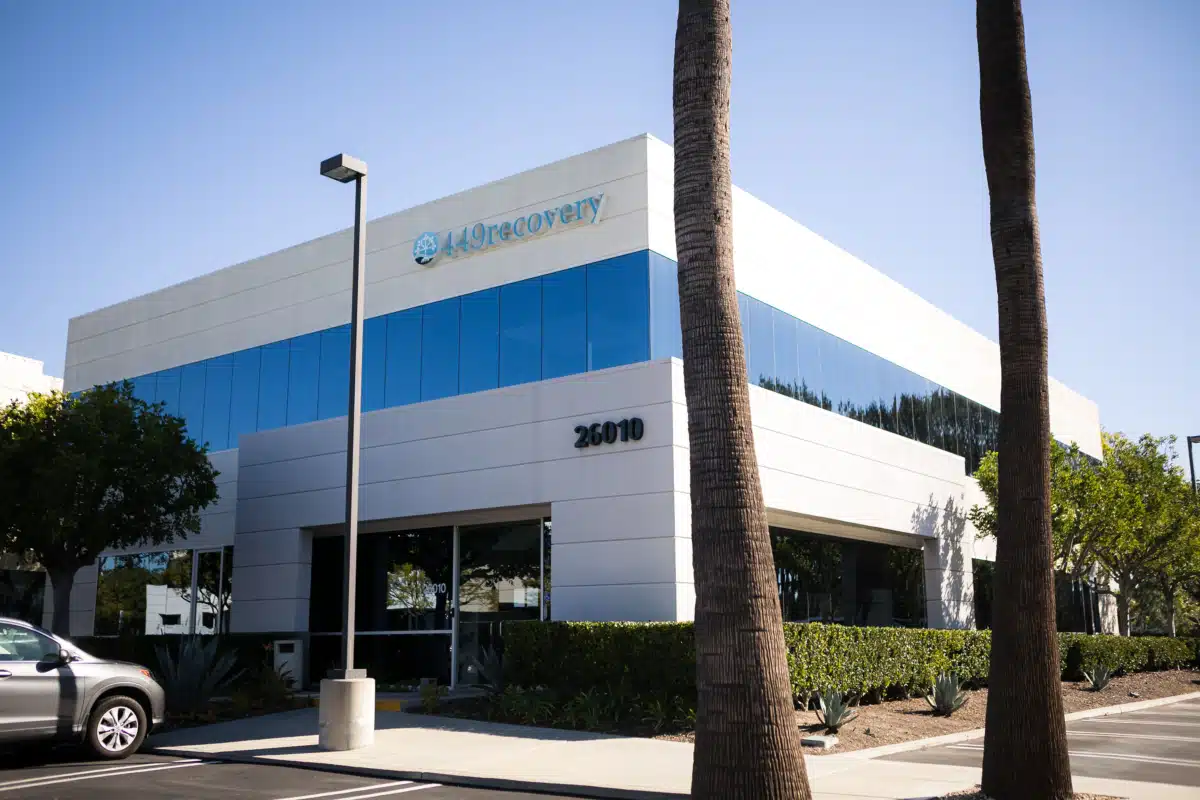
449 Recovery
Mission Viejo, CA

6390 Meadows Court LLC
Malibu, CA

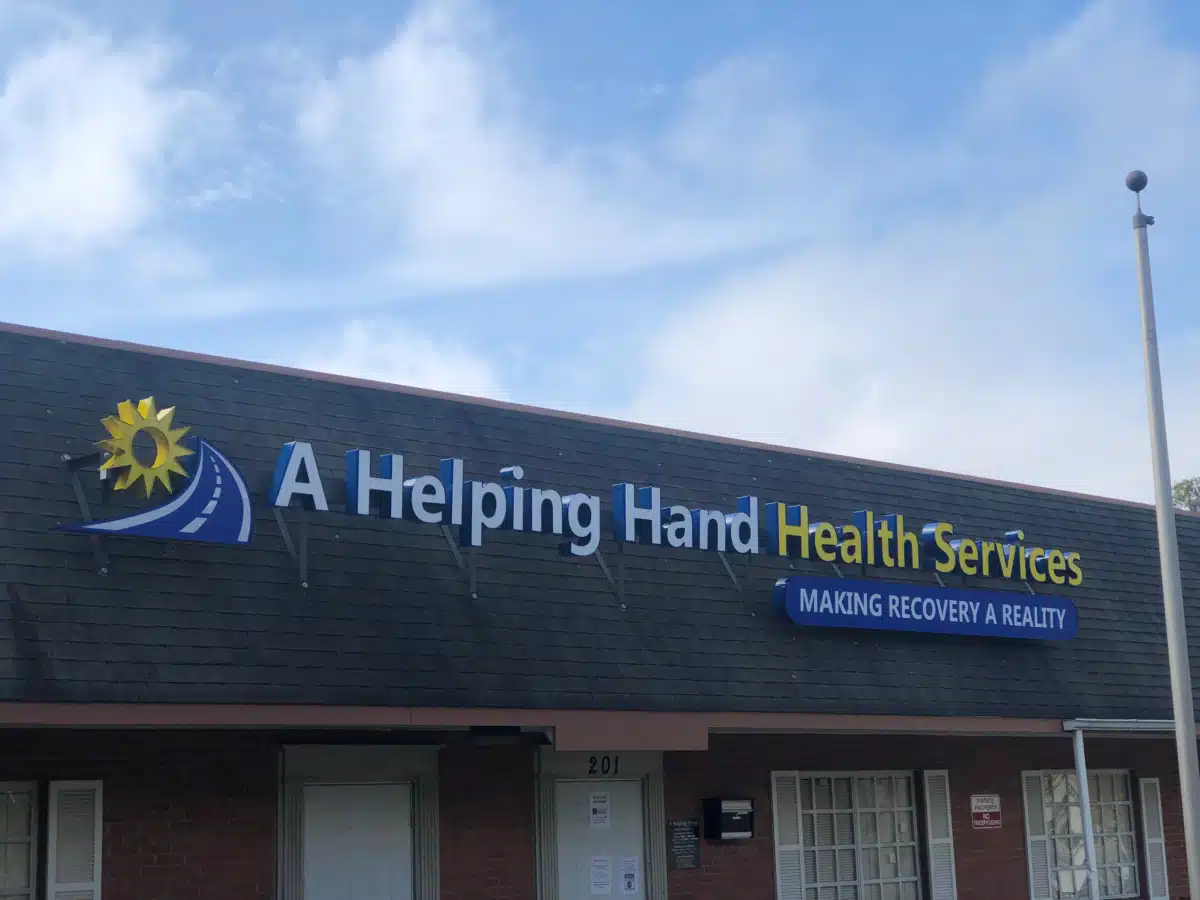
A Helping Hand Health Services LLC
Pikesville, MD
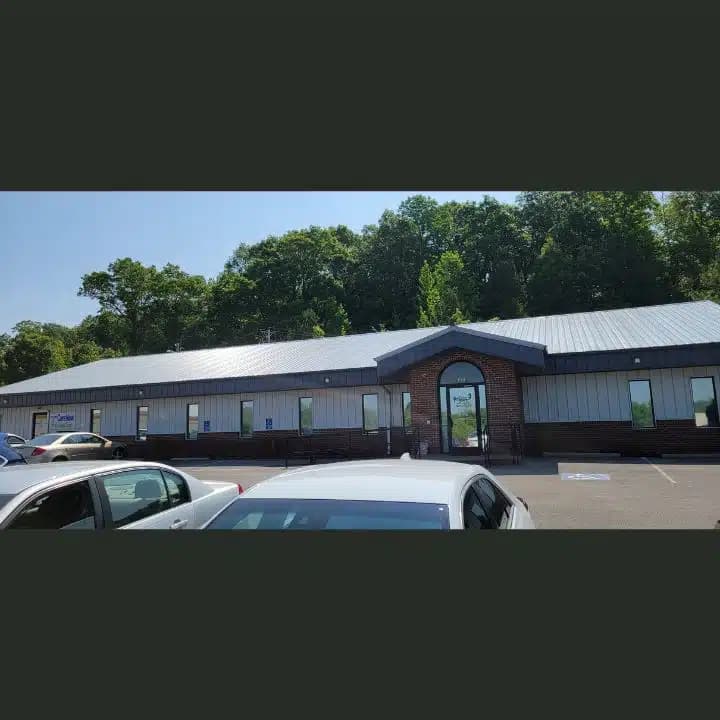
A New Start II LLC
Central City, KY
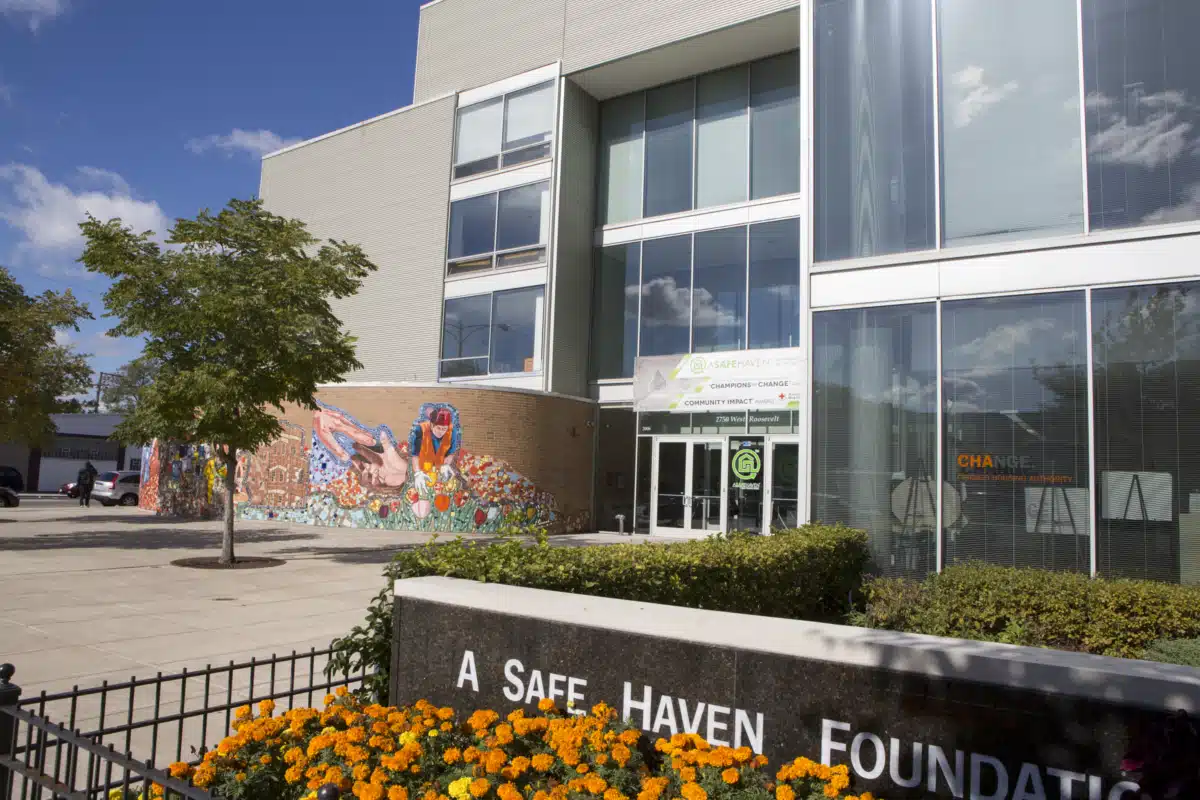
A Safe Haven
Chicago, IL

Abbey LLC
Bettendorf, IA
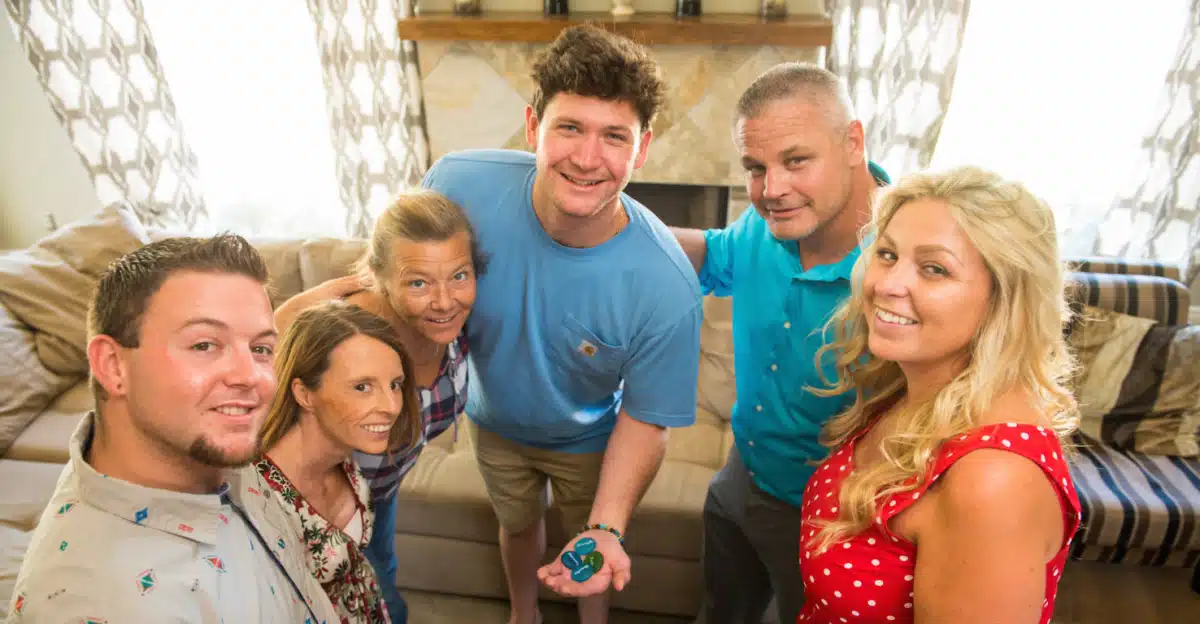
ABC Recovery Center Inc
Indio, CA
ABC Recovery Center Inc
Indio, CA
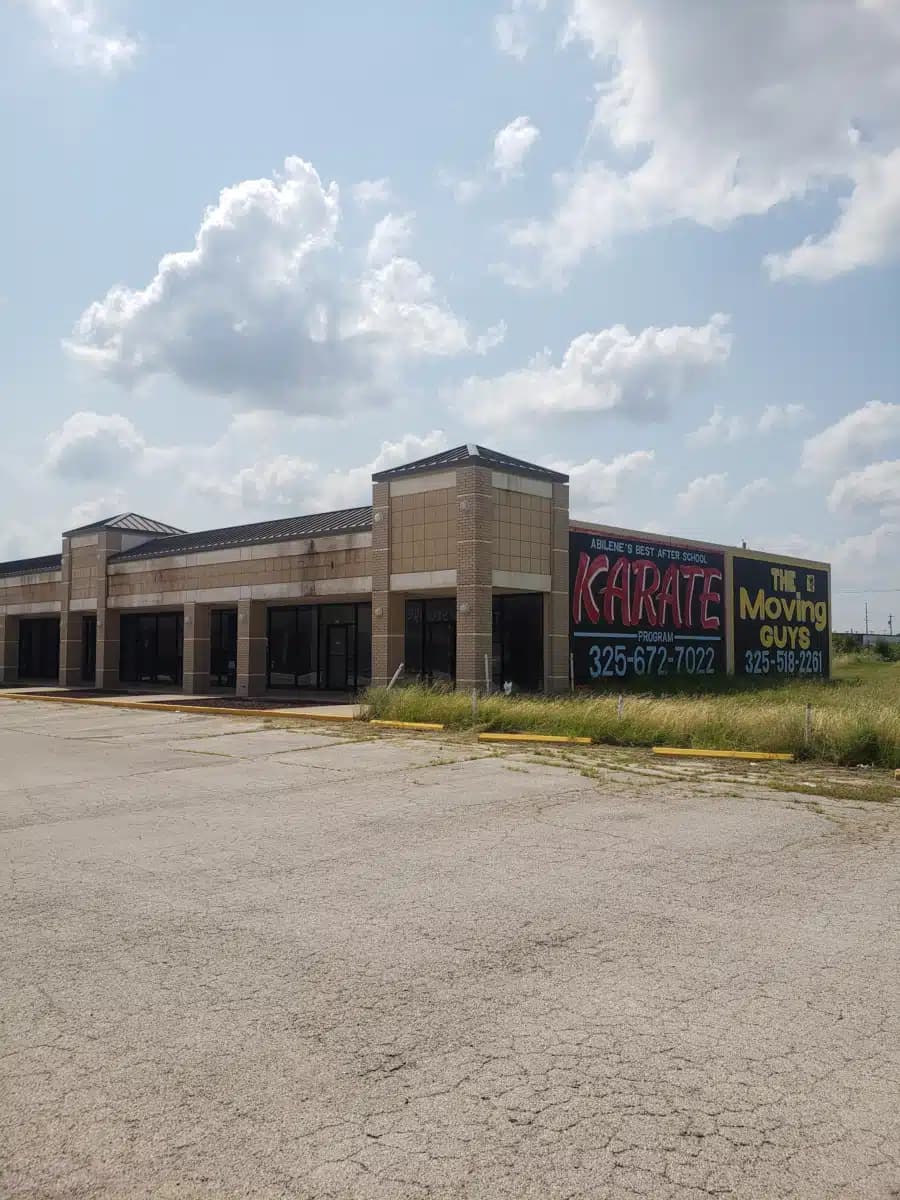
Abilene Absolute Recovery Solutions
Abilene, TX
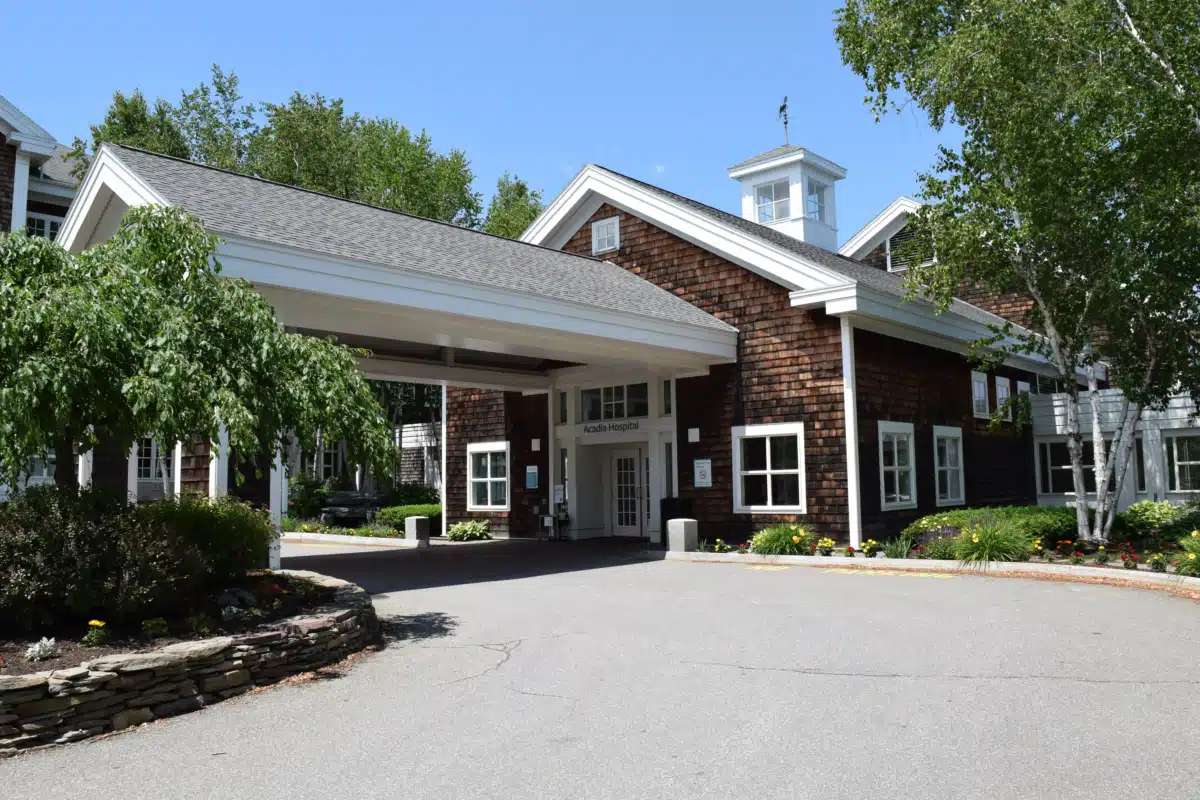
Acadia Hospital
Bangor, ME
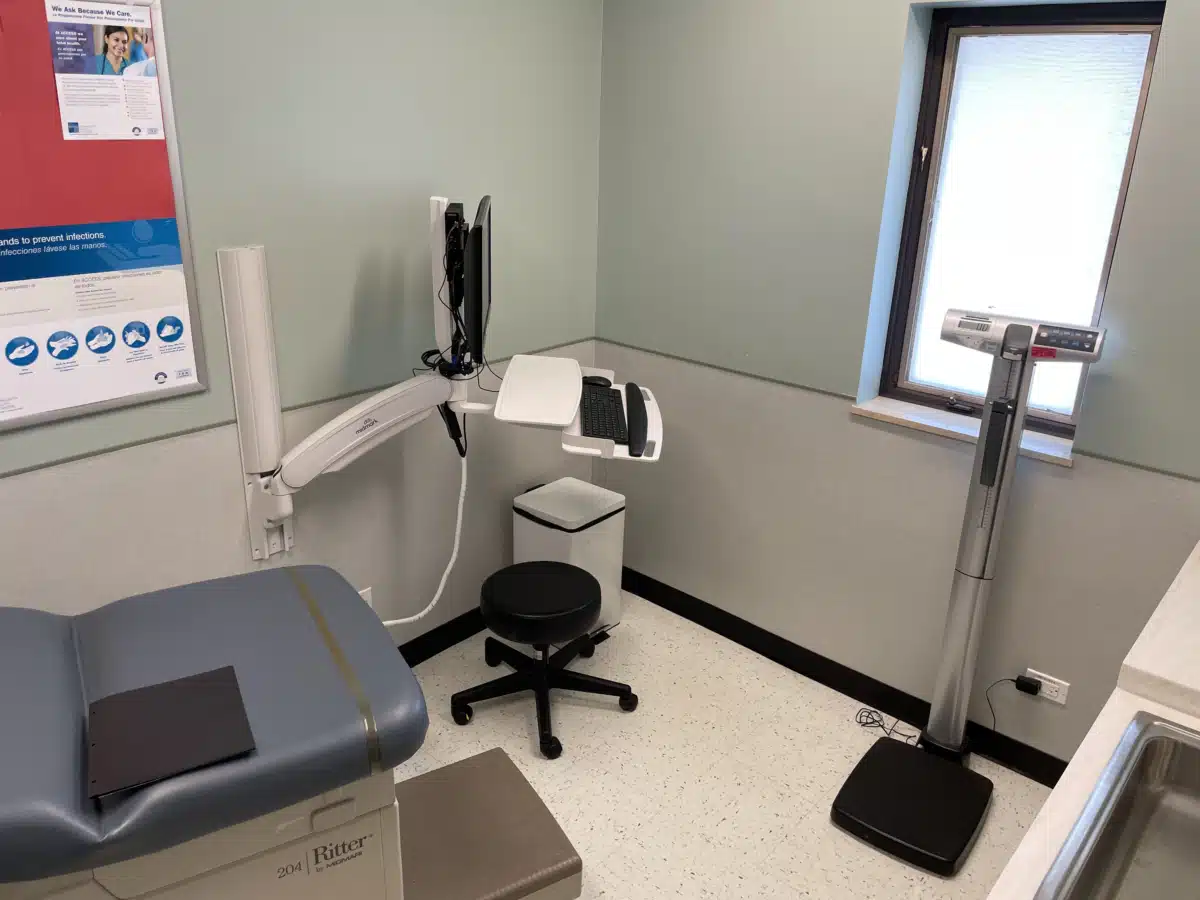
Access Blue Island Family Health Ctr
Blue Island, IL
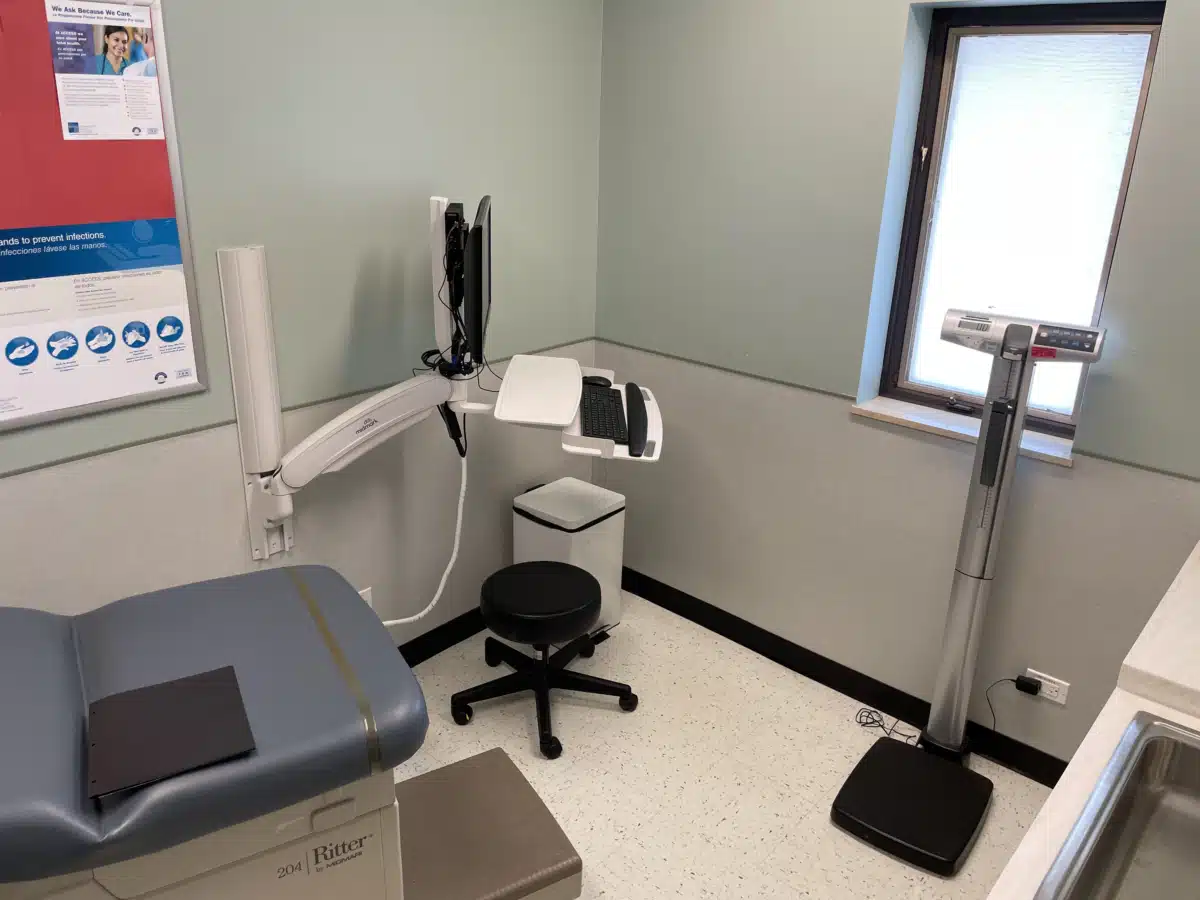
ACCESS Blue Island Medical Center
Blue Island, IL
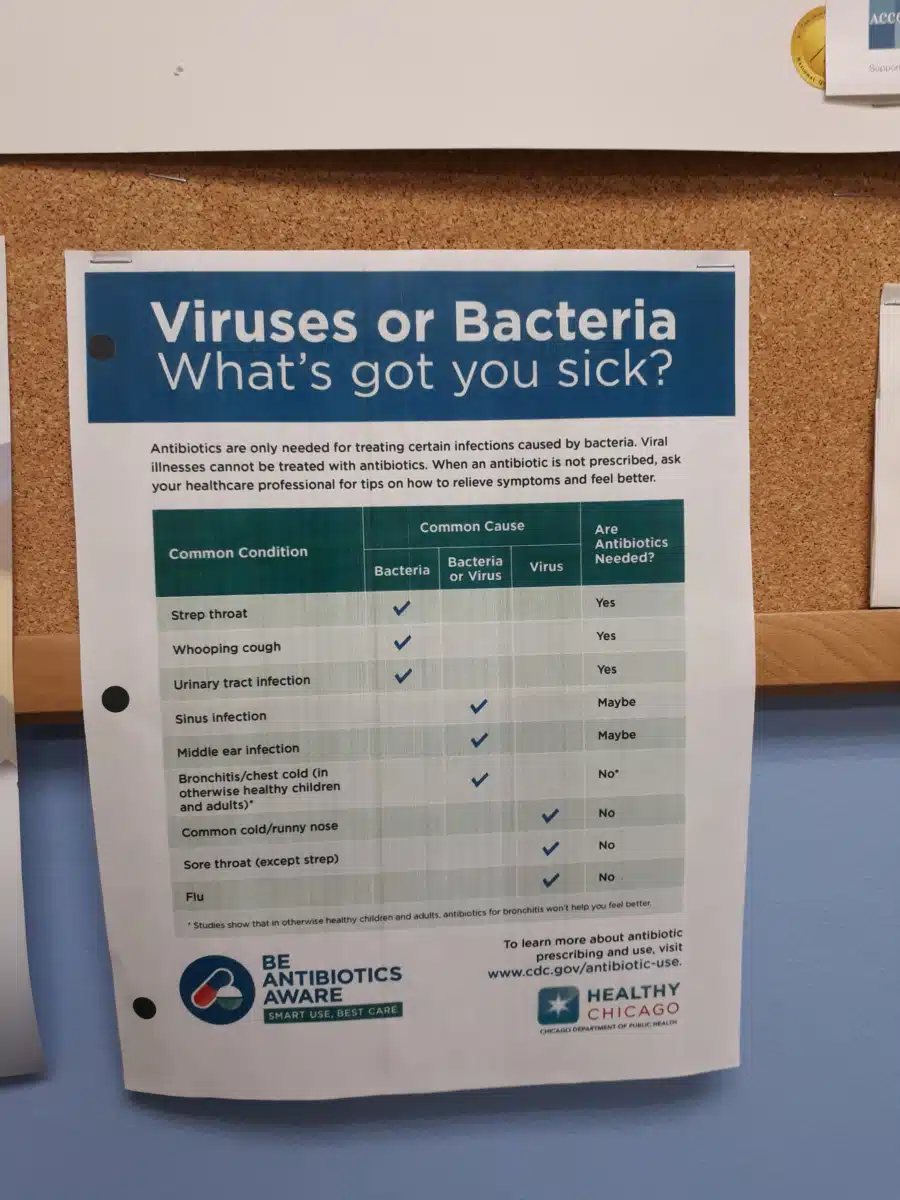
Access Booker Family Health Ctr
Chicago, IL
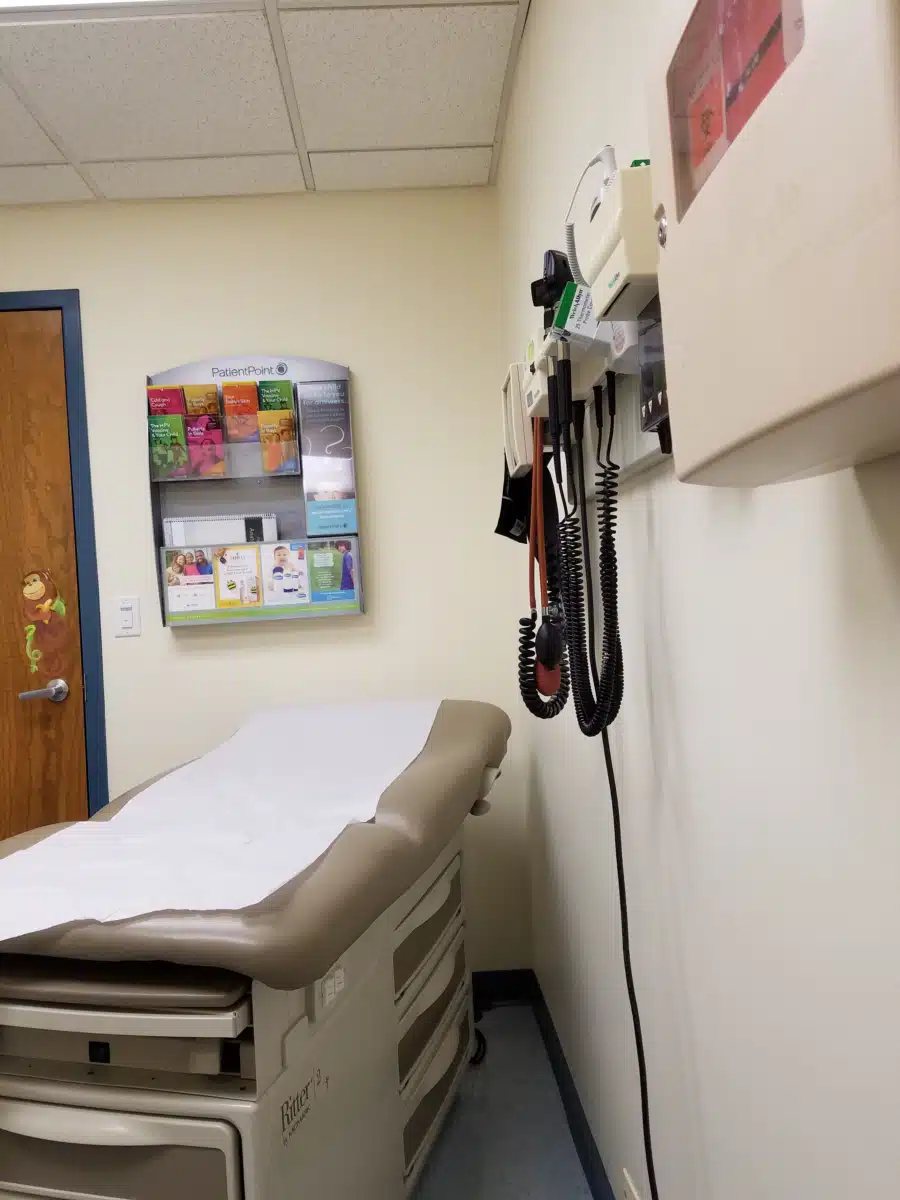
Access Genesis Center for Health and
Des Plaines, IL
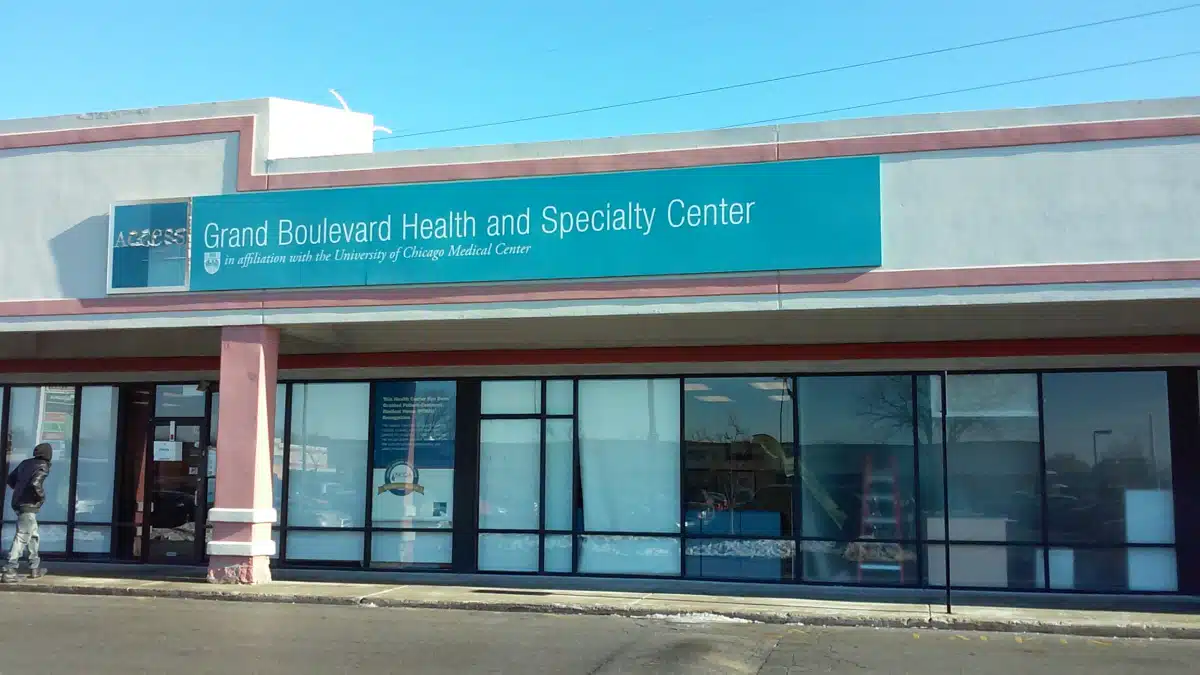
Access Grand Boulevard Family Health
Chicago, IL
Access Recovery Solutions
Delray Beach, FL
Access Residential
Martins Ferry, OH
About Medication-Assisted Treatment (MAT)
Medication-Assisted Treatment represents a significant advancement in addiction medicine, dramatically improving outcomes for opioid and alcohol use disorders. At Penn Spine and Rehab, we connect you with MAT providers who combine medication with comprehensive behavioral treatment.
FDA-Approved Medications
For opioid addiction:
- Buprenorphine (Suboxone, Subutex): Reduces cravings and withdrawal symptoms
- Methadone: Prevents withdrawal and reduces cravings in supervised settings
- Naltrexone (Vivitrol): Blocks opioid effects and reduces cravings
For alcohol addiction:
- Naltrexone: Reduces cravings and the rewarding effects of alcohol
- Acamprosate (Campral): Helps maintain abstinence after detox
- Disulfiram (Antabuse): Creates unpleasant effects if alcohol is consumed
MAT Is Not "Replacing One Drug with Another"
A common misconception is that MAT simply substitutes one addiction for another. In reality, MAT medications stabilize brain chemistry, allowing individuals to engage in therapy, maintain employment, and rebuild their lives while reducing overdose risk and relapse rates.
Finding MAT Providers
MAT is available in various settings including outpatient clinics, intensive outpatient programs, and residential treatment centers. Look for programs that combine medication with behavioral therapy for the best outcomes.
Medication-Assisted Treatment (MAT) Key Statistics
Conditions Treated with Medication-Assisted Treatment (MAT)
MAT is the gold standard treatment for opioid use disorder
Naltrexone, acamprosate, and disulfiram treat alcohol dependence
MAT stabilizes addiction so co-occurring conditions can be treated
MAT treats dependence on prescription opioids like oxycodone and hydrocodone
What to Expect: Medication-Assisted Treatment (MAT) Treatment Process
Medical Assessment
Day 1Comprehensive evaluation including substance use history, medical exam, and lab tests
Induction
Days 1-7Medication is carefully started at low doses under medical supervision and gradually increased
Stabilization
Weeks 2-8Dose is adjusted until cravings and withdrawal are managed; counseling begins
Maintenance
Months to yearsOngoing medication with regular counseling, support groups, and medical monitoring
Frequently Asked Questions About Medication-Assisted Treatment (MAT)
Resources & Citations
National Academies of Sciences
Medical Disclaimer
This information is for educational purposes only and is not a substitute for professional medical advice, diagnosis, or treatment. Always consult with a qualified healthcare provider before starting any treatment program. If you are experiencing a medical emergency, call 911 immediately.